SCORE
3.0
MODERATE
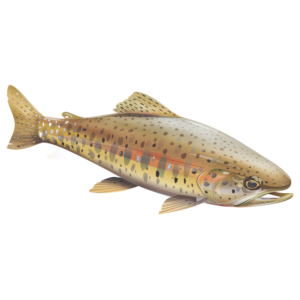
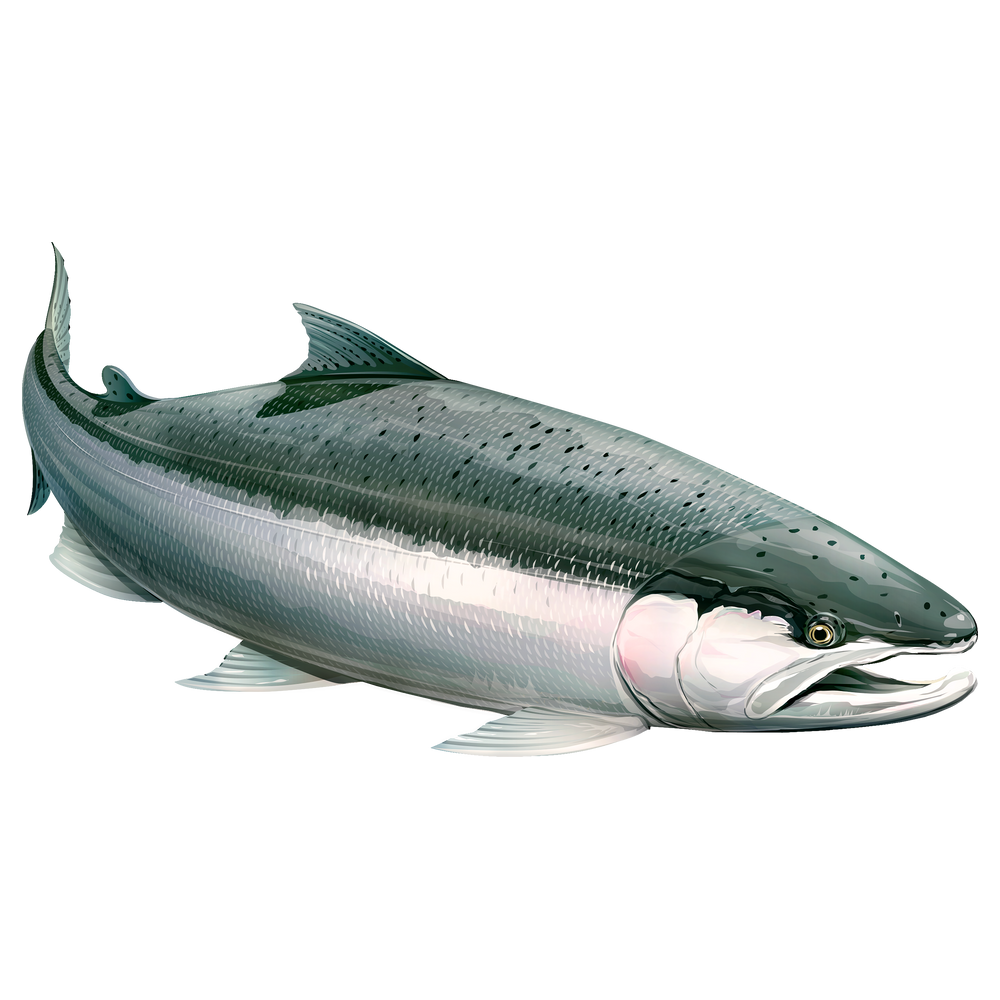
Central Valley Steelhead
Oncorhynchus mykiss irideus
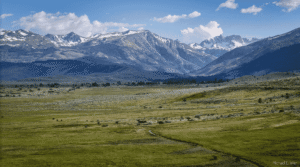
Species ranges
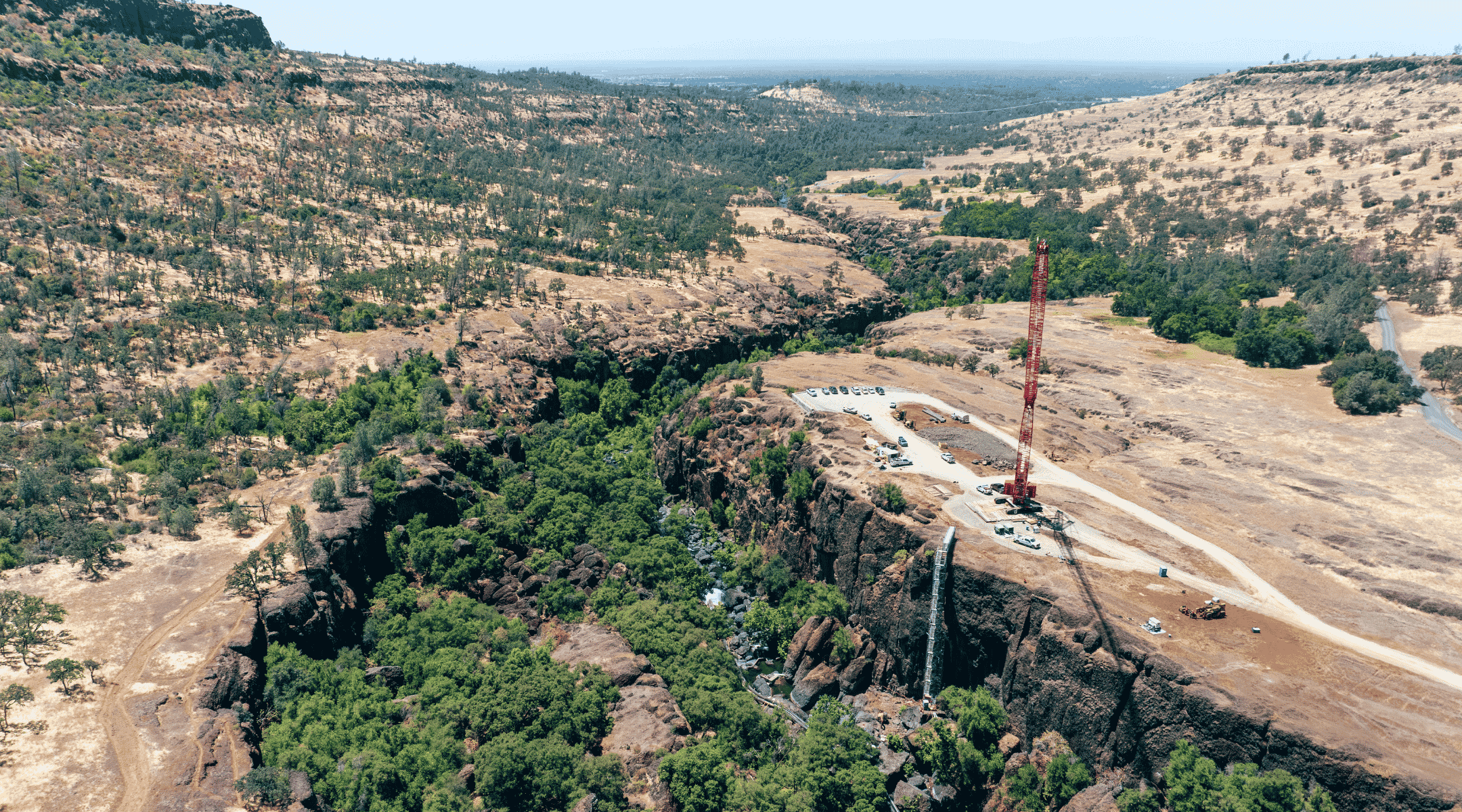
Related projects
At a Glance
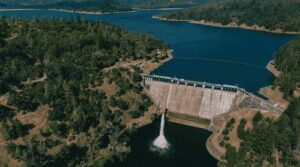
Central Valley steelhead are not in danger of extinction but their numbers will remain low until river conditions that support their migratory life history improve. The highly- altered tail-water habitats downstream of dams select against anadromous life histories and instead favor resident life histories by supplying cool water year-round.
Species characteristics
Conservation Actions
Conservation Strategy
- Amend dam operations to mimic natural streamflow patterns and improve conditions that favor the anadromous life history of steelhead.
- Invest in restoration actions in the few Central Valley streams that produce wild steelhead, such as Deer and Battle creeks.
- Exclude hatchery steelhead from the DPS for management purposes, and revise hatchery practices to reduce interactions between hatchery fish and naturally spawning steelhead while producing fish to support the fishery.
- Focus fisheries management in the Central Valley on sustaining diverse, wild trout populations in tailwaters downstream of dams, and restore river and off-channel habitats.
- Investigate the causes of poor juvenile hatchery steelhead survival.
- Increase access to historic floodplain rearing habitat in the Central Valley.
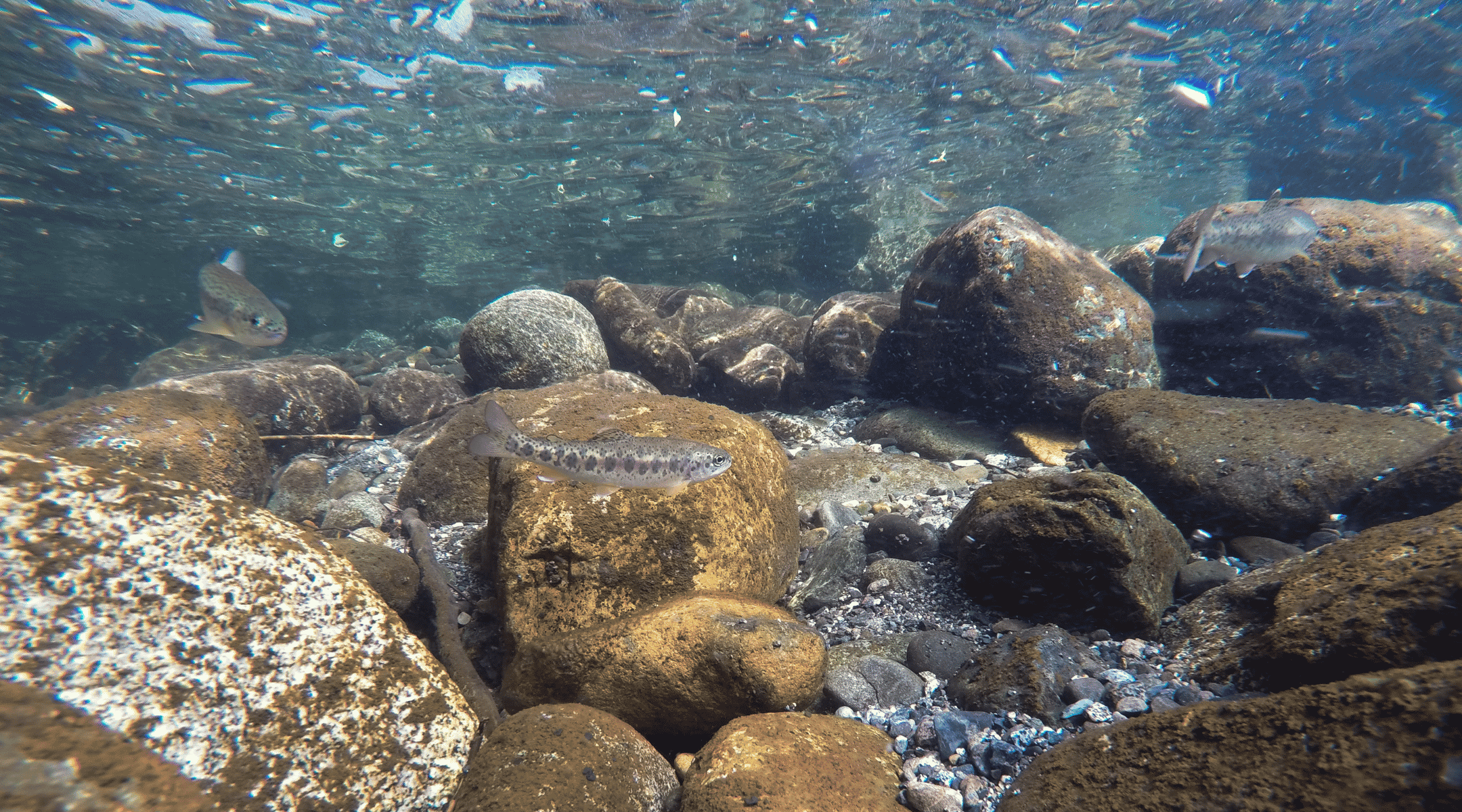
Where to find Central Valley Steelhead
Historically, Central Valley steelhead inhabited the Sacramento and San Joaquin Rivers and most of their tributaries as part of a single population with resident Rainbows. There were possibly 81 discrete populations from the San Joaquin Valley north to the Pit River drainage in the past. Due to the construction of dams and water diversions, nearly 95% of previously accessible habitat to CV steelhead has been blocked or lost. Above dam Rainbow trout populations appear to retain much of this native genetic population structure. A long history of translocations of hatchery Rainbow trout and steelhead, and pervasive habitat alteration, have created a single heavily hatchery-influenced population.
How This Species Scored
From Caltrout’s SOS II Report
| METRIC | SCORE | JUSTIFICATION |
|---|---|---|
| Area occupied | 4 | Steelhead are present in small numbers in at least 5 rivers, plus 3 hatcheries. |
| Estimated adult abundance | 3 | Steelhead include hatchery fish; based on NMFS estimate. |
| Intervention dependence | 2 | Steelhead life history increasingly dependent on hatcheries; valley floor Rainbow trout depend on tailwaters below dams. |
| Environmental tolerance | 4 | Rainbow trout are one of most tolerant salmonids but conditions in lower rivers/Delta may exceed tolerances of migrating steelhead. |
| Genetic risk | 4 | Appears to be one population with little genetic structure. |
| Climate change | 2 | Appears to be one population with little genetic structure. |
| Anthropogenic threats | 2 | Score of “2” for only steelhead. Would be a “5” if resident trout were also considered. |
| Average | 3.0 | LEVEL OF CONCERN: MODERATE |
CALTROUT IN ACTION
Explore projects affecting the
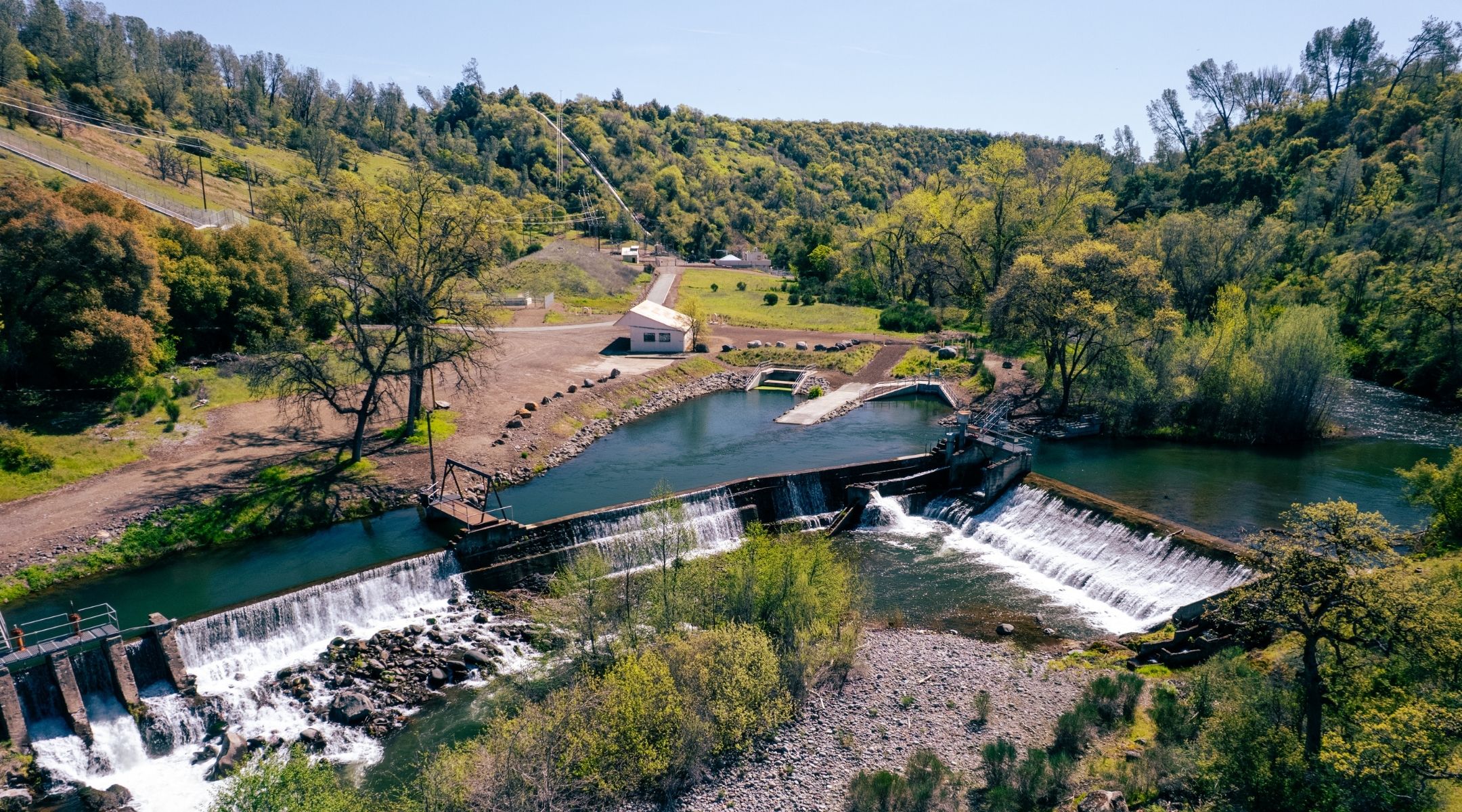
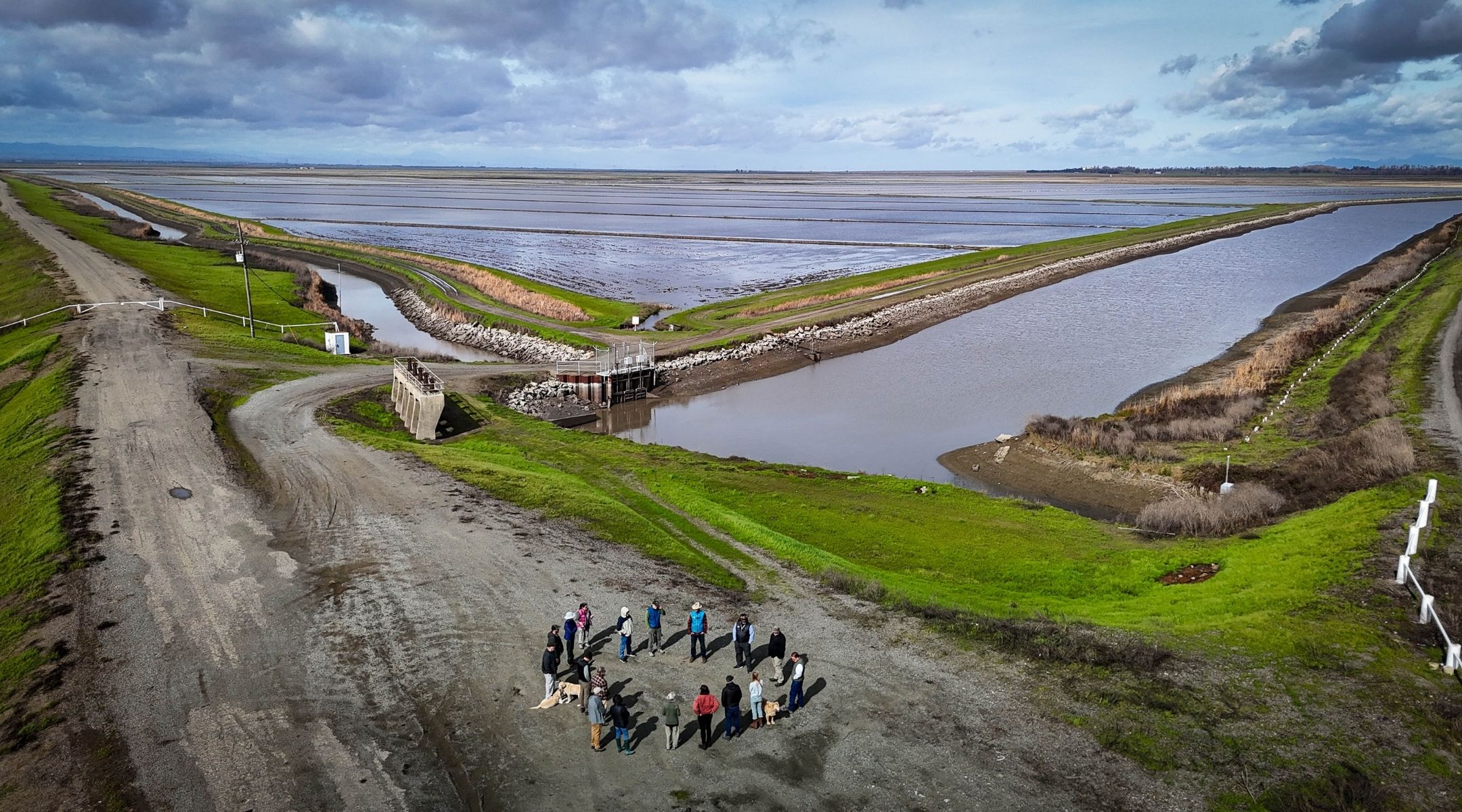
Central Valley Steelhead
Native Salmonids
Explore California’s native salmon, steelhead, and trout.
From steelhead to coastal cutthroat, California’s native fish are essential to healthy rivers and thriving ecosystems.
-
Bull Trout
-
California Coastal Chinook Salmon
-
California Golden Trout
-
Central California Coast Coho Salmon
-
Central California Coast Steelhead
-
Central Valley Fall-Run Chinook Salmon
-
Central Valley Late Fall-Run Chinook Salmon
-
Central Valley Spring-Run Chinook Salmon
-
Central Valley Steelhead
-
Chinook Salmon
-
Chum Salmon
-
Coastal Cutthroat Trout
-
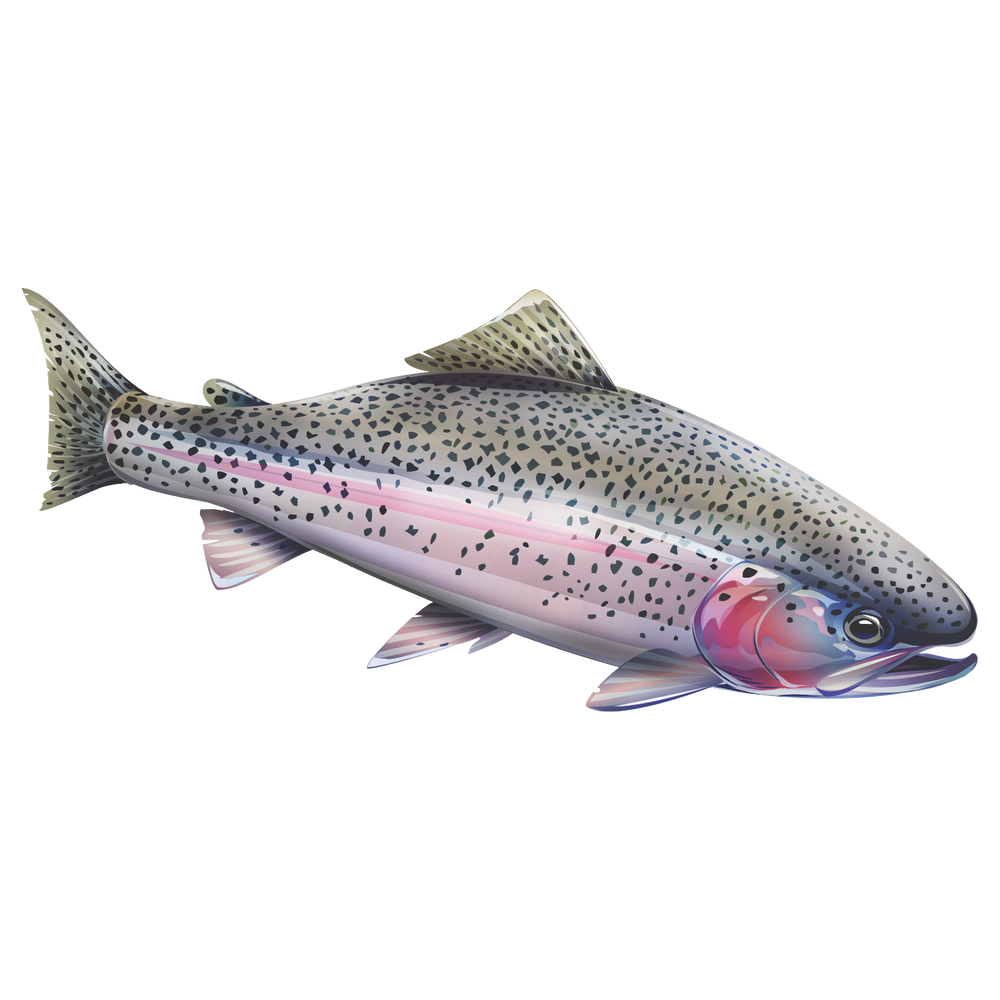
Coastal Rainbow Trout
-
Coho Salmon
-
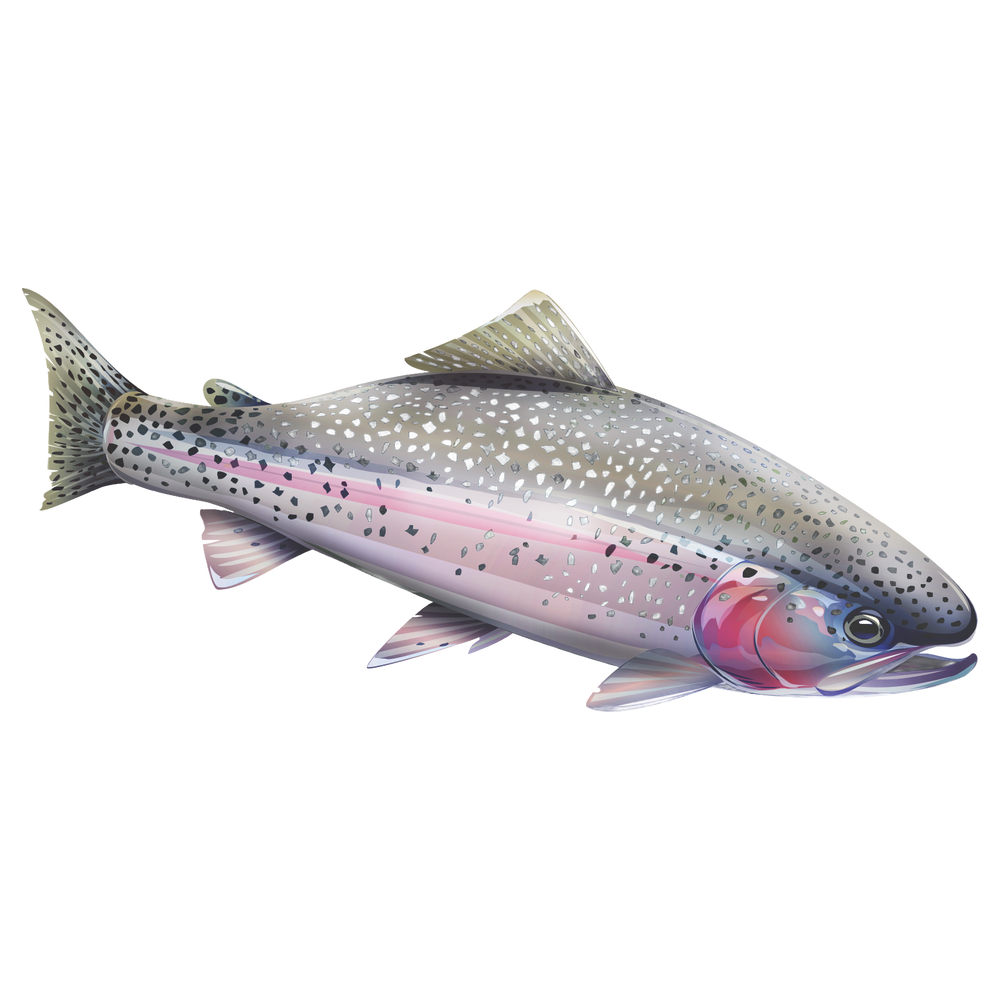
Eagle Lake Rainbow Trout
-
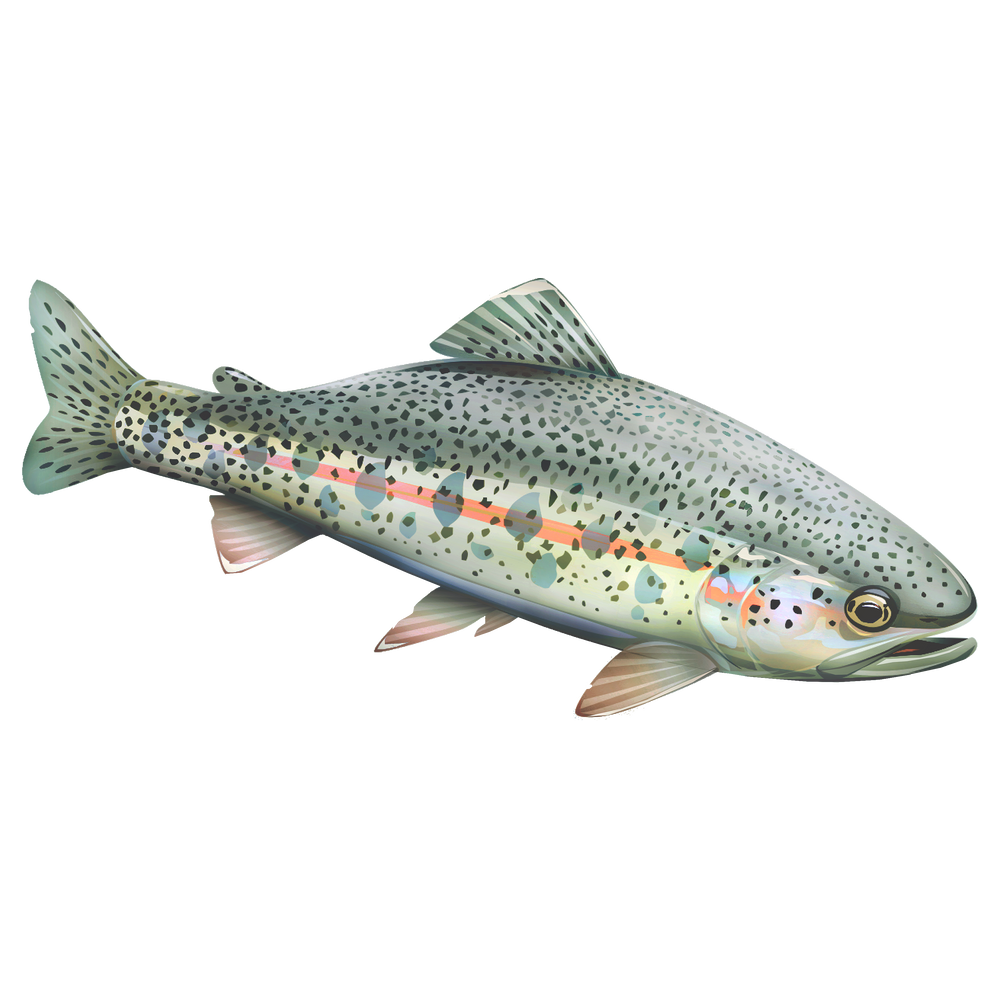
Goose Lake Redband Trout
-
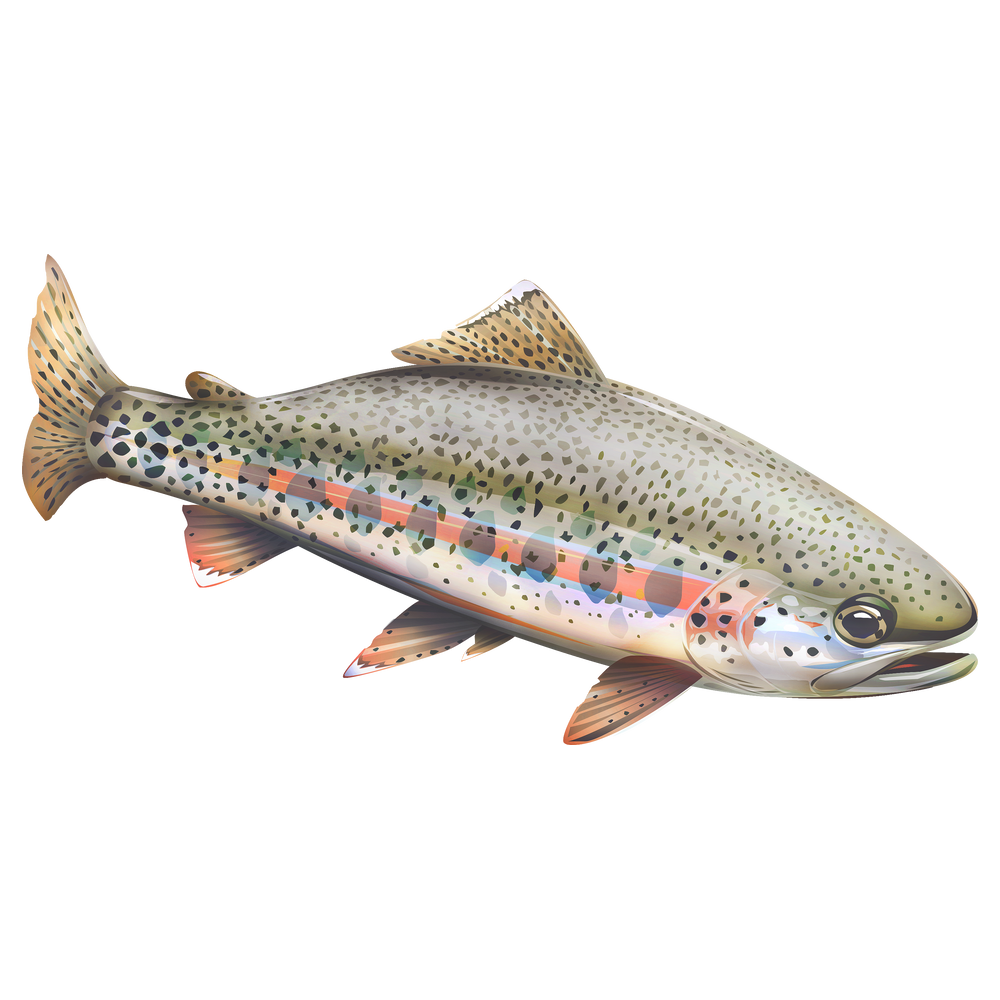
Kern River Rainbow Trout
-
Klamath Mountains Province Summer Steelhead
-
Klamath Mountains Province Winter Steelhead
-
Lahontan Cutthroat Trout
-
Little Kern Golden Trout
-
McCloud River Redband Trout
-
Northern California Summer Steelhead
-
Northern California Winter Steelhead
-
Paiute Cutthroat Trout
-
Pink Salmon
-
Sacramento River Winter-Run Chinook Salmon
-
South-Central California Coast Steelhead
-
Southern Oregon/Northern California Coast Chinook Salmon
Support Caltrout