
SCORE
2.3
HIGH
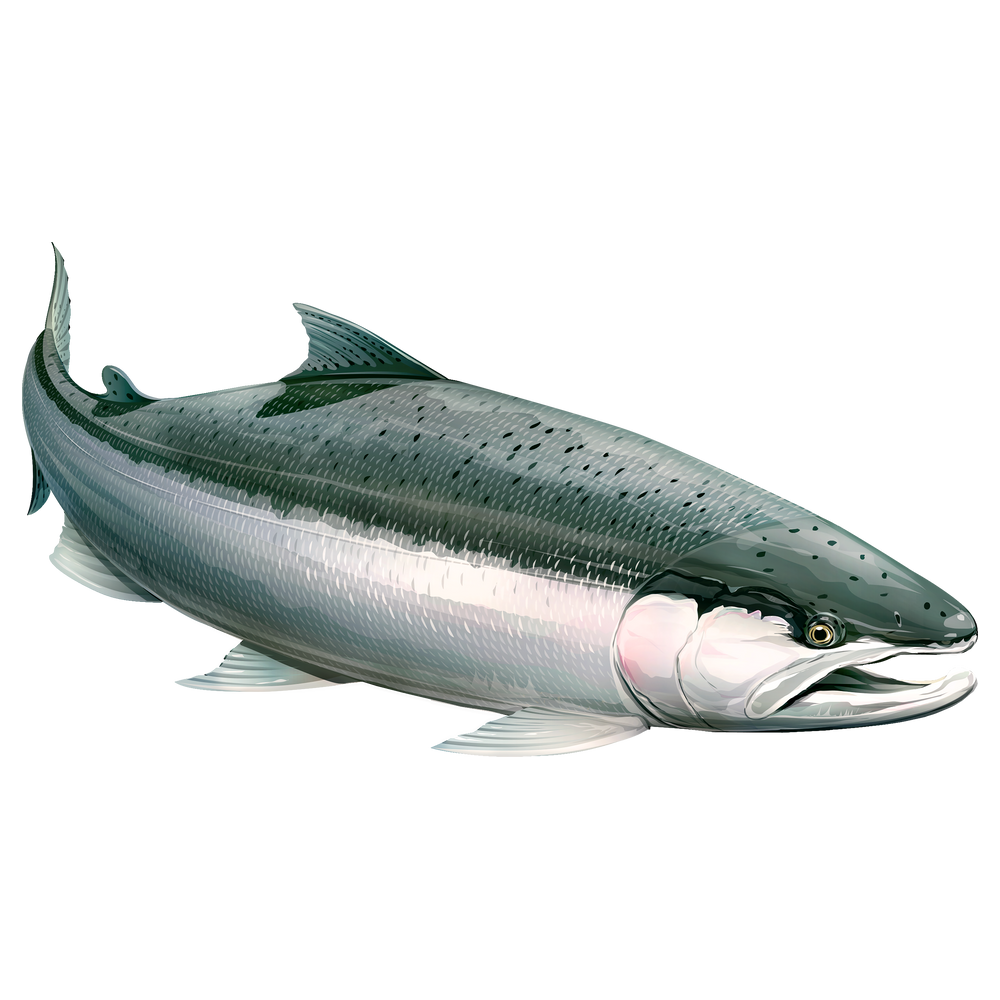
Central California Coast Steelhead
Oncorhynchus mykiss irideus
Species ranges
Related projects
At a Glance
Central California Coast steelhead have declined to less than 10% of their historical numbers and are now assessed at High concern for extinction. While the Russian River and San Lorenzo River once supported the region's largest runs — an estimated 50,000 and 19,000 spawning adults respectively in the early 1960s — San Francisco Bay tributary populations have had no documented spawning since the 2012 drought began, and most remaining watersheds now support only a few hundred adult fish a year, driven by water diversions and pollution from agriculture and urbanization, dams blocking access to spawning grounds, and estuary alteration.
Species characteristics
Conservation Actions
Conservation Strategy
- Use legal tools such as Assembly Bill 2121 minimum flow requirements, Fish and Game Code 5937, and the Sustainable Groundwater Management Act to secure water in streams, especially during critical summer and fall months.
- Restore estuary habitat and function for juvenile steelhead and other salmonids.
- Implement CDFW’s statewide coastal salmonid monitoring program to collect abundance, life history, and population data to inform recovery efforts.
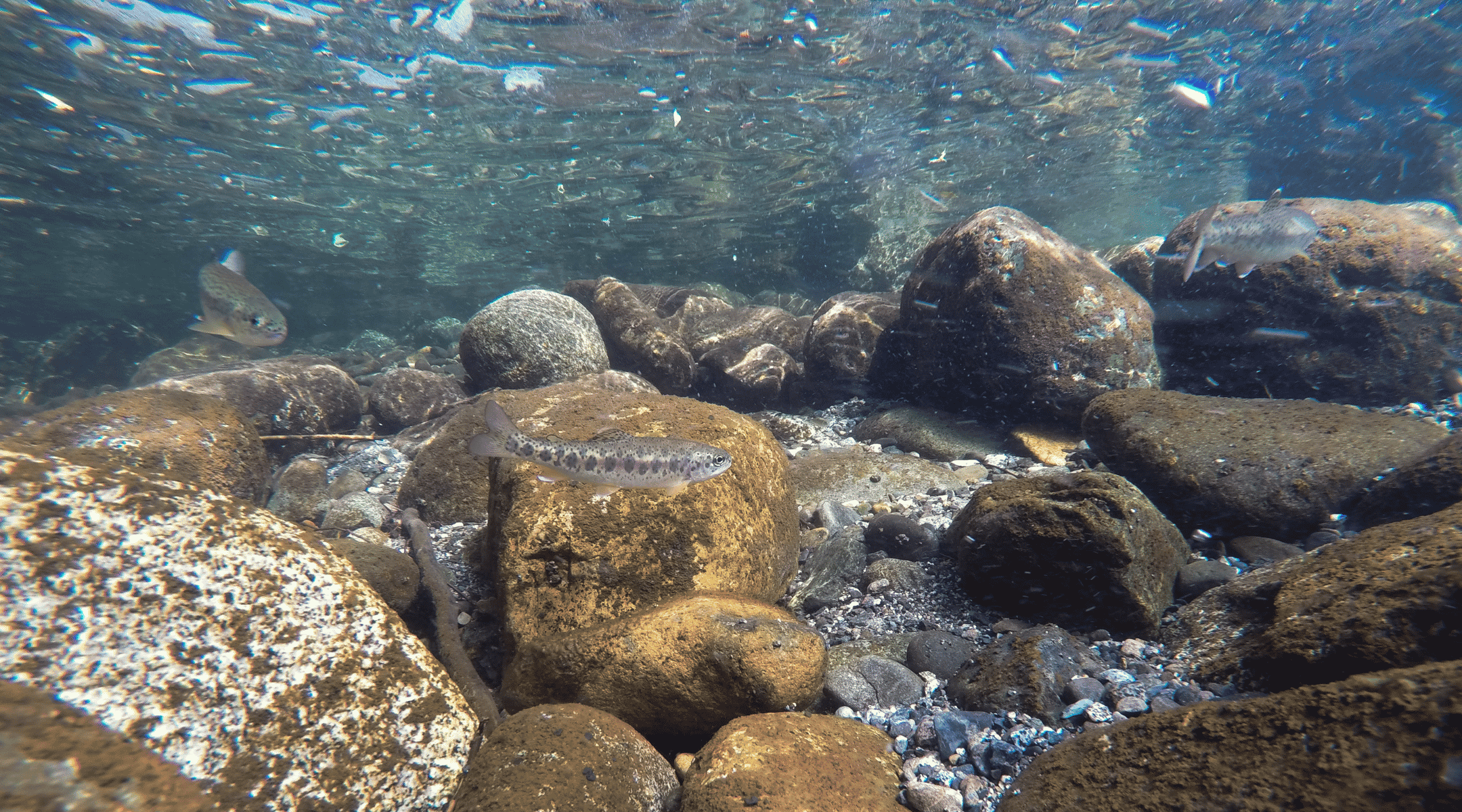
Where to find Central California Coast Steelhead
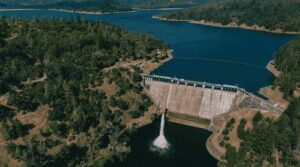
Central California Coast steelhead range from the Russian River (Sonoma County) south to Aptos Creek (Santa Cruz County). Within the San Francisco Bay Estuary, CCC steelhead are found in the Guadalupe and Napa rivers, and San Leandro, San Lorenzo, Coyote, San Francisquito, San Mateo, and Alameda creeks. Populations of CCC steelhead still reside in the upper reaches of streams that feed reservoirs, such as Upper San Leandro Reservoir upstream of Chabot Dam. Some small coastal streams south of the Golden Gate Bridge also contain CCC steelhead, such as Pilarcitos and Pescadero creeks in San Mateo County and Scott and Waddell creeks in Santa Cruz County.
How This Species Scored
From Caltrout’s SOS II Report
| METRIC | SCORE | JUSTIFICATION |
|---|---|---|
| Area occupied | 2 | Multiple watersheds occupied in California but very few viable populations still exist. |
| Estimated adult abundance | 2 | The Russian River contains > 1,000 spawners annually, with smaller contributions from other populations, but numbers are declining and supported by hatcheries. |
| Intervention dependence | 2 | Habitat restoration and barrier removal are critical to increasing habitat availability. |
| Environmental tolerance | 4 | Able to adapt to live in freshwater and estuarine environments. |
| Genetic risk | 3 | Widespread but populations increasingly fragmented and isolated, with potential for interbreeding with hatchery fish. |
| Climate change | 1 | Extremely vulnerable due to limited access to habitat and cumulative effects of other factors (e.g. urbanization) dams, etc.). |
| Anthropogenic threats | 2 | 3 High, 3 Medium factors. |
| Average | 2.3 | LEVEL OF CONCERN: HIGH |
CALTROUT IN ACTION
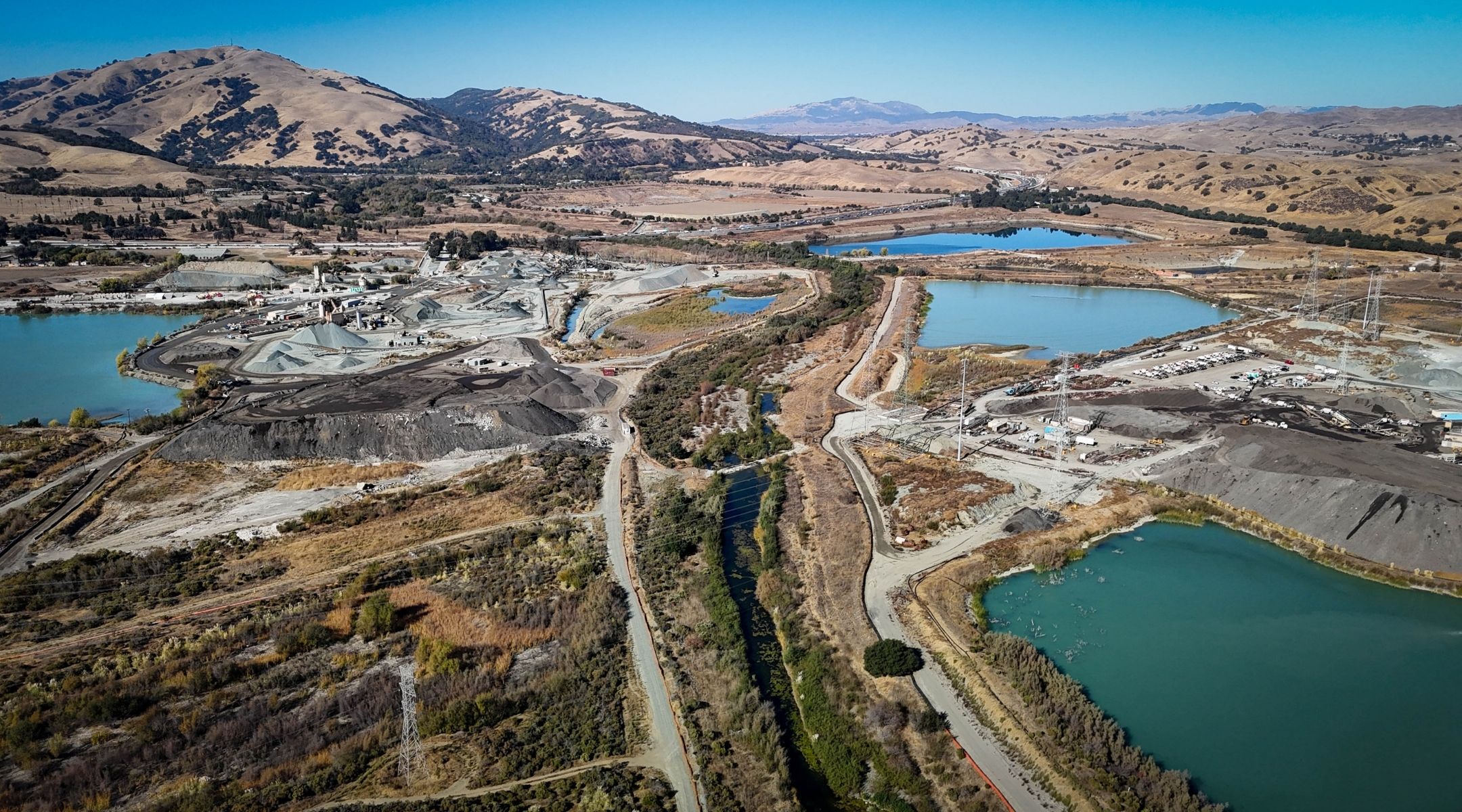
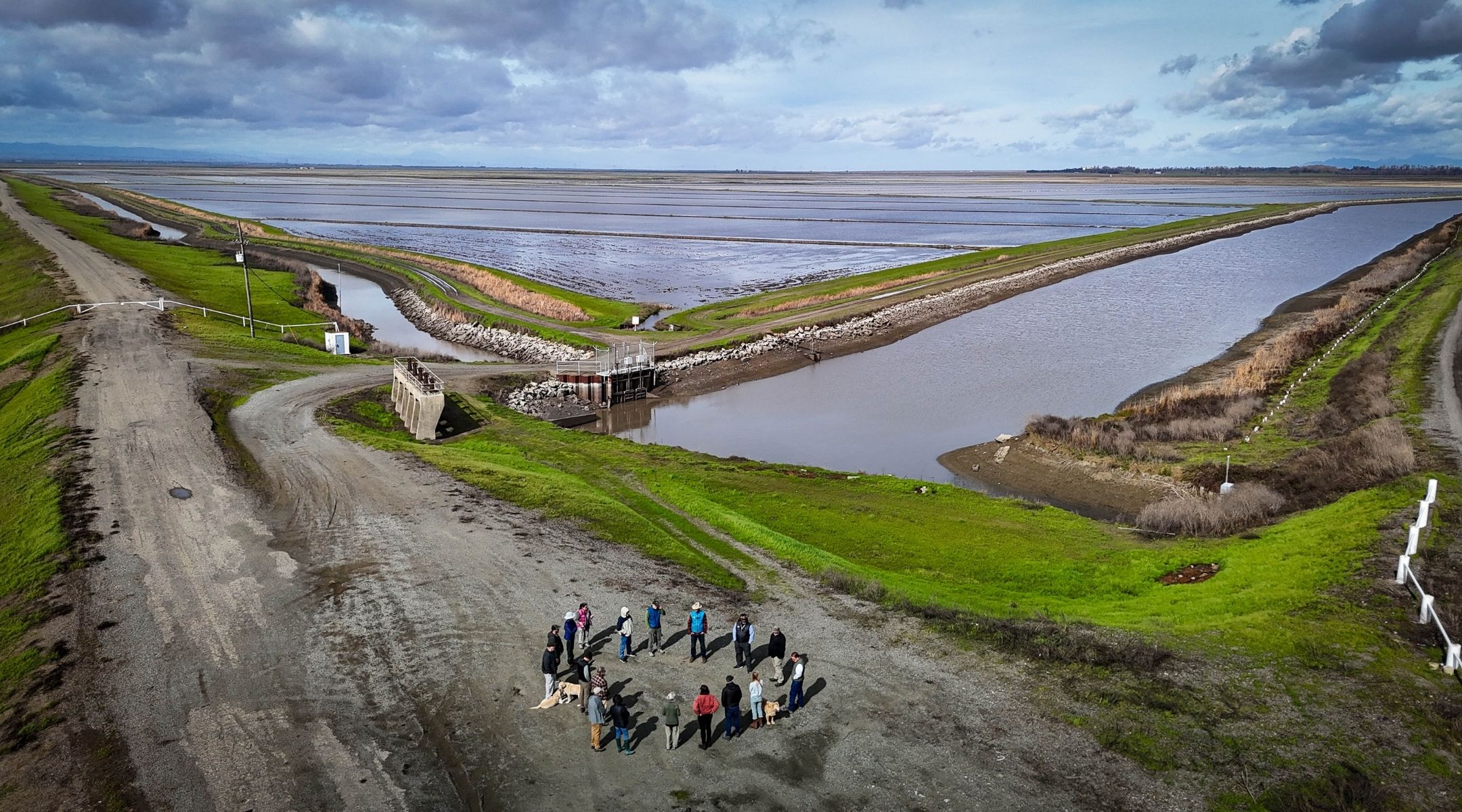
Explore projects affecting the
Central California Coast Steelhead
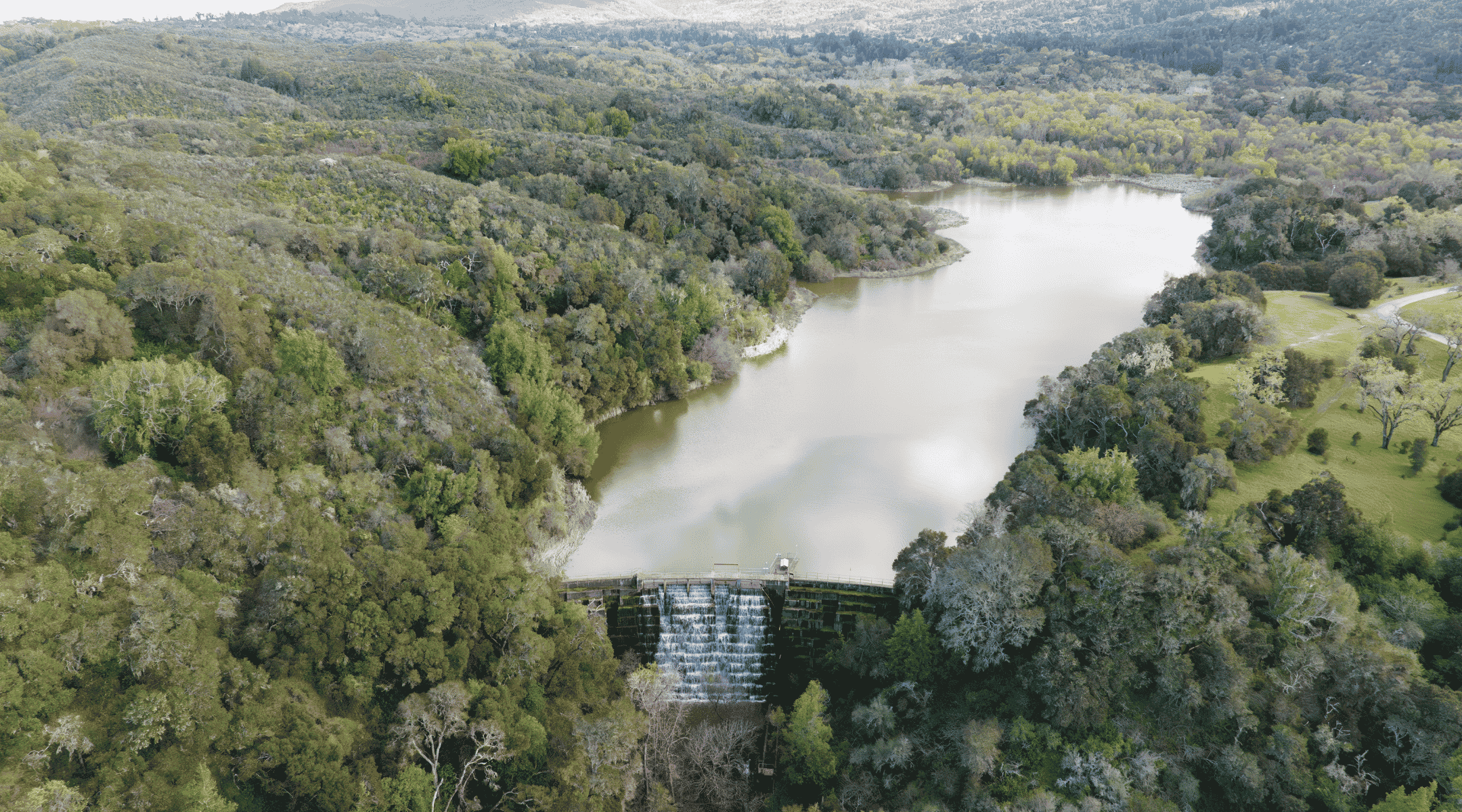
Native Salmonids
Explore California’s native fish.
From steelhead to coastal cutthroat, California’s native fish are essential to healthy rivers and thriving ecosystems.
-
Bull Trout
-
California Coastal Chinook Salmon
-
California Golden Trout
-
Central California Coast Coho Salmon
-
Central California Coast Steelhead
-
Central Valley Fall-Run Chinook Salmon
-
Central Valley Late Fall-Run Chinook Salmon
-
Central Valley Spring-Run Chinook Salmon
-
Central Valley Steelhead
-
Chinook Salmon
-
Chum Salmon
-
Coastal Cutthroat Trout
-
Coastal Rainbow Trout
-
Coho Salmon
-
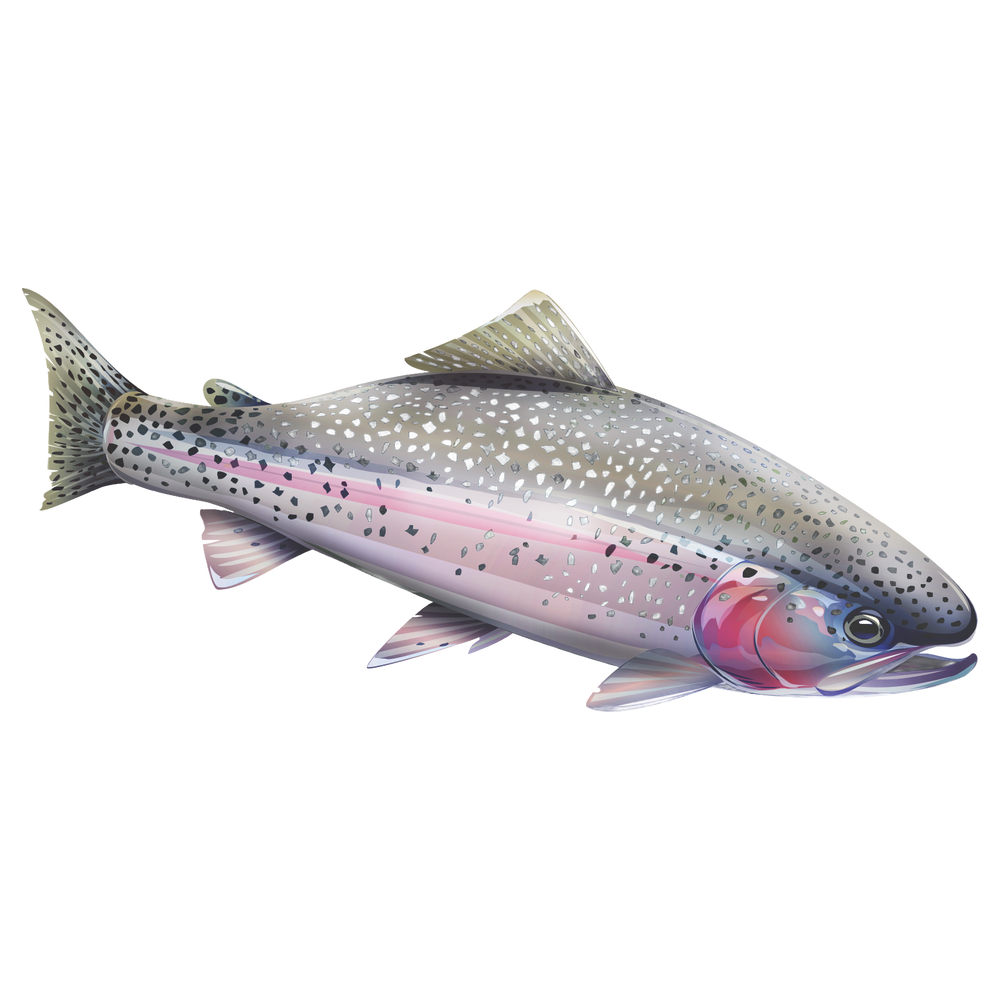
Eagle Lake Rainbow Trout
-
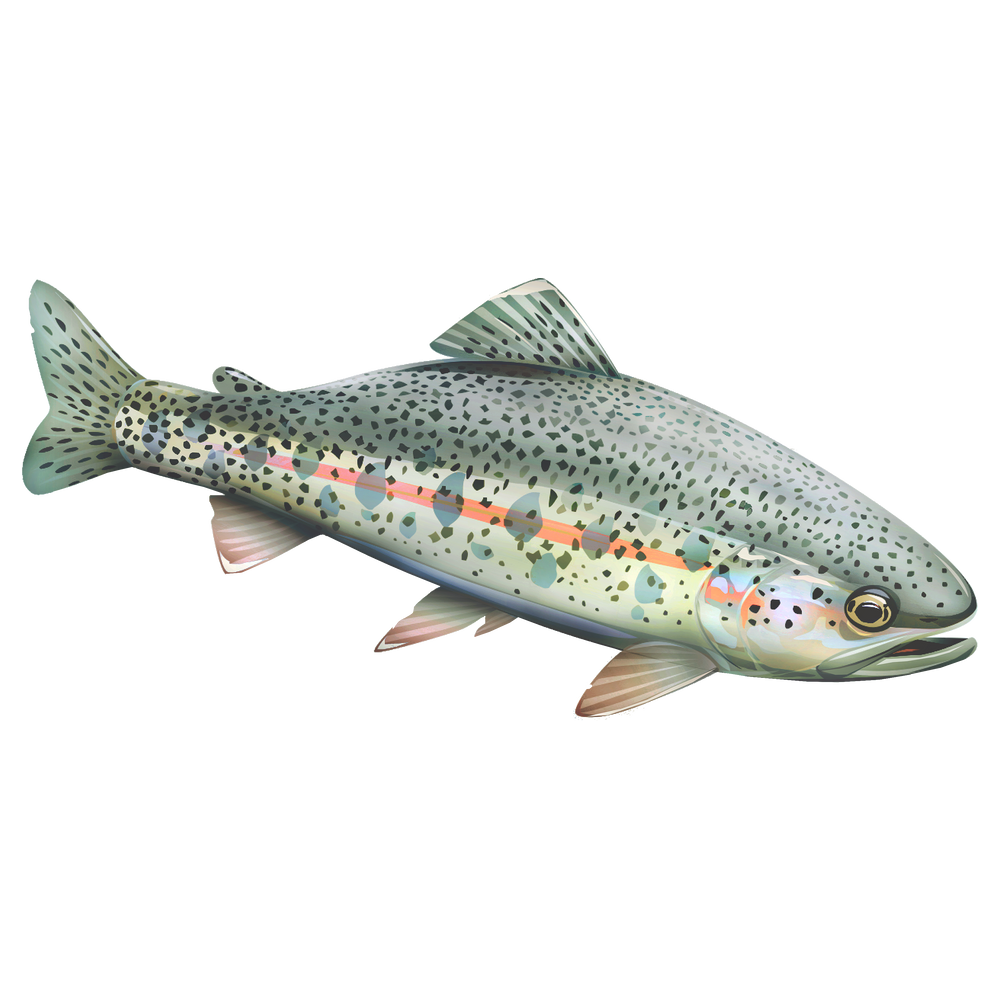
Goose Lake Redband Trout
-
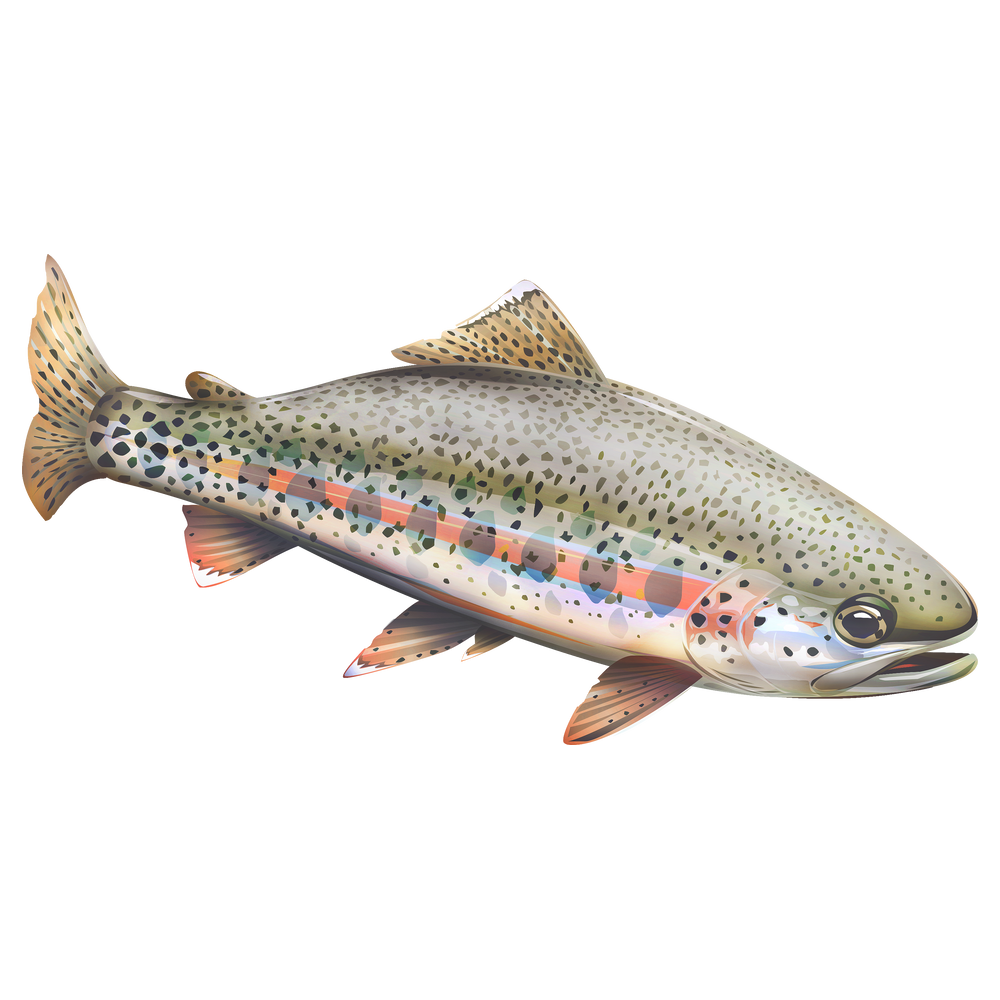
Kern River Rainbow Trout
-
Klamath Mountains Province Summer Steelhead
-
Klamath Mountains Province Winter Steelhead
-
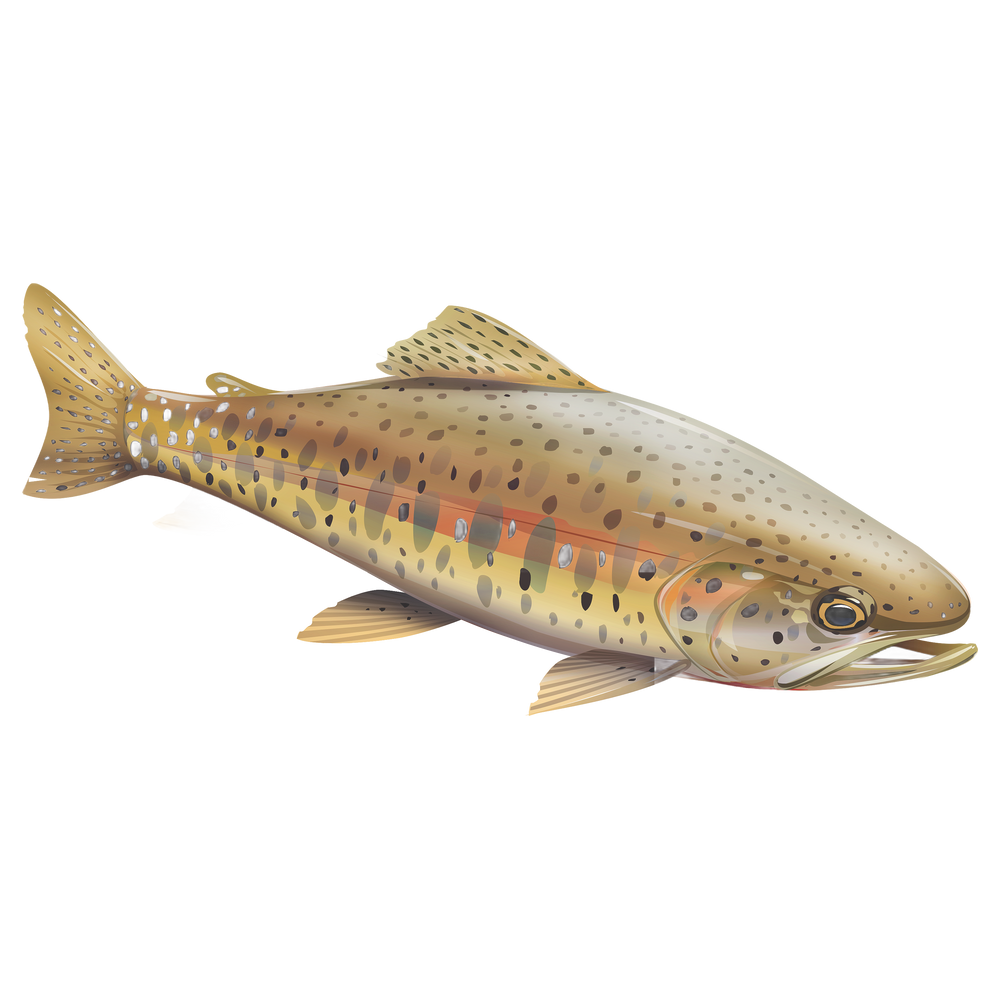
Lahontan Cutthroat Trout
-
Little Kern Golden Trout
-
McCloud River Redband Trout
-
Northern California Summer Steelhead
-
Northern California Winter Steelhead
-
Paiute Cutthroat Trout
-
Pink Salmon
-
Sacramento River Winter-Run Chinook Salmon
-
South-Central California Coast Steelhead
-
Southern Oregon/Northern California Coast Chinook Salmon
SUPPORT CalTrout
The only statewide assessment of California’s native salmon, steelhead, and trout.
CalTrout, in collaboration with academic partners, has produced two once-a-decade State of the Salmonids reports — comprehensive scientific assessments of all 32 native salmon, steelhead, and trout species in California. The third report is currently set to release in 2027.