


SCORE
2.1
HIGH
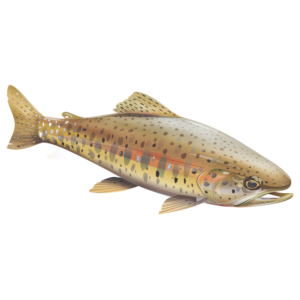
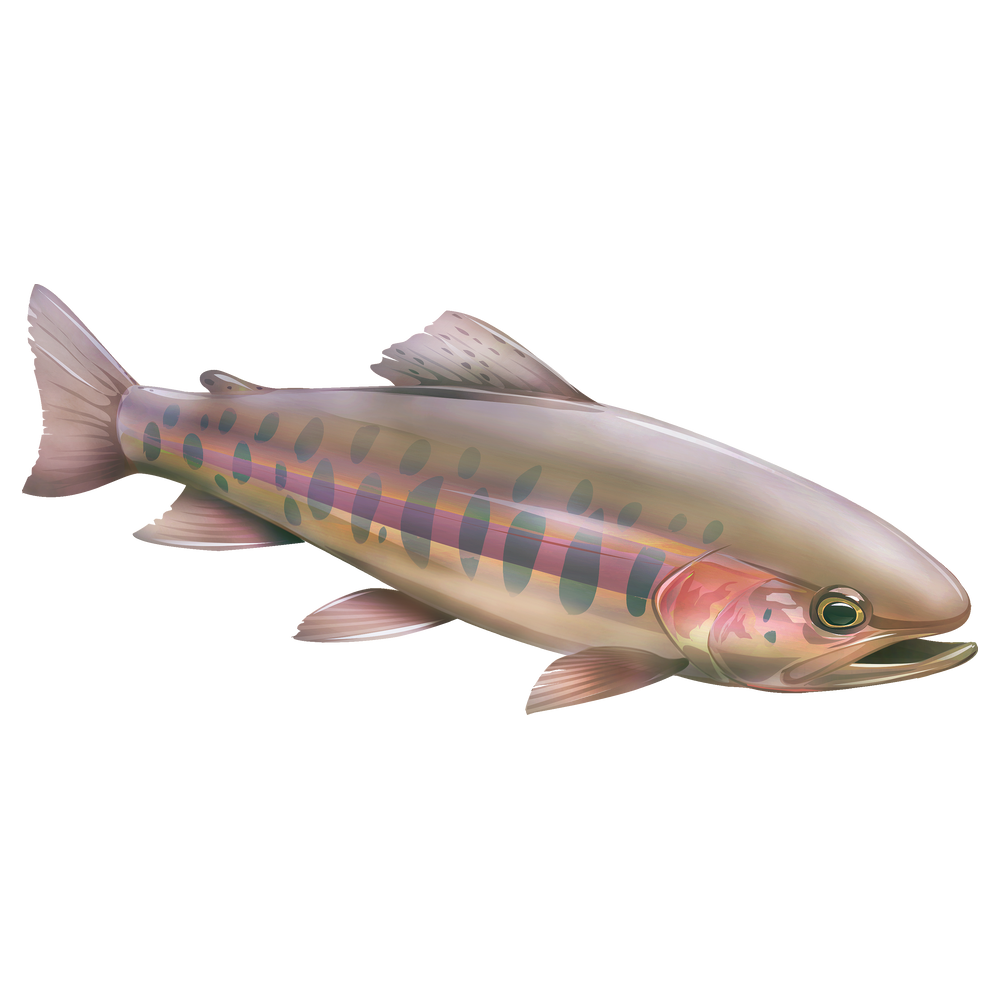
Paiute Cutthroat Trout
Oncorhynchus clarkii seleniris
Species ranges
Related projects
At a Glance
Paiute Cutthroat trout have a high likelihood of extirpation in their native range within 50-100 years without continued commitment to intense monitoring and management. All populations are small and isolated, and are susceptible to hybridization and local environmental changes.
Species characteristics
Conservation Actions
Conservation Strategy
- Conduct follow-up monitoring of reintroduction efforts for at least three years to determine progress of hybrid removal, restoration activities, and re-colonization of historical habitat by Paiute Cutthroats.
- Prepare and implement a long term conservation strategy with CDFW, U.S. Forest Service, U.S. Fish & Wildlife Service, academics, and other stakeholders to adaptively manage future recovery efforts.
- Continue to monitor existing populations to determine progress of restoration activities and re-colonization of historical habitat.
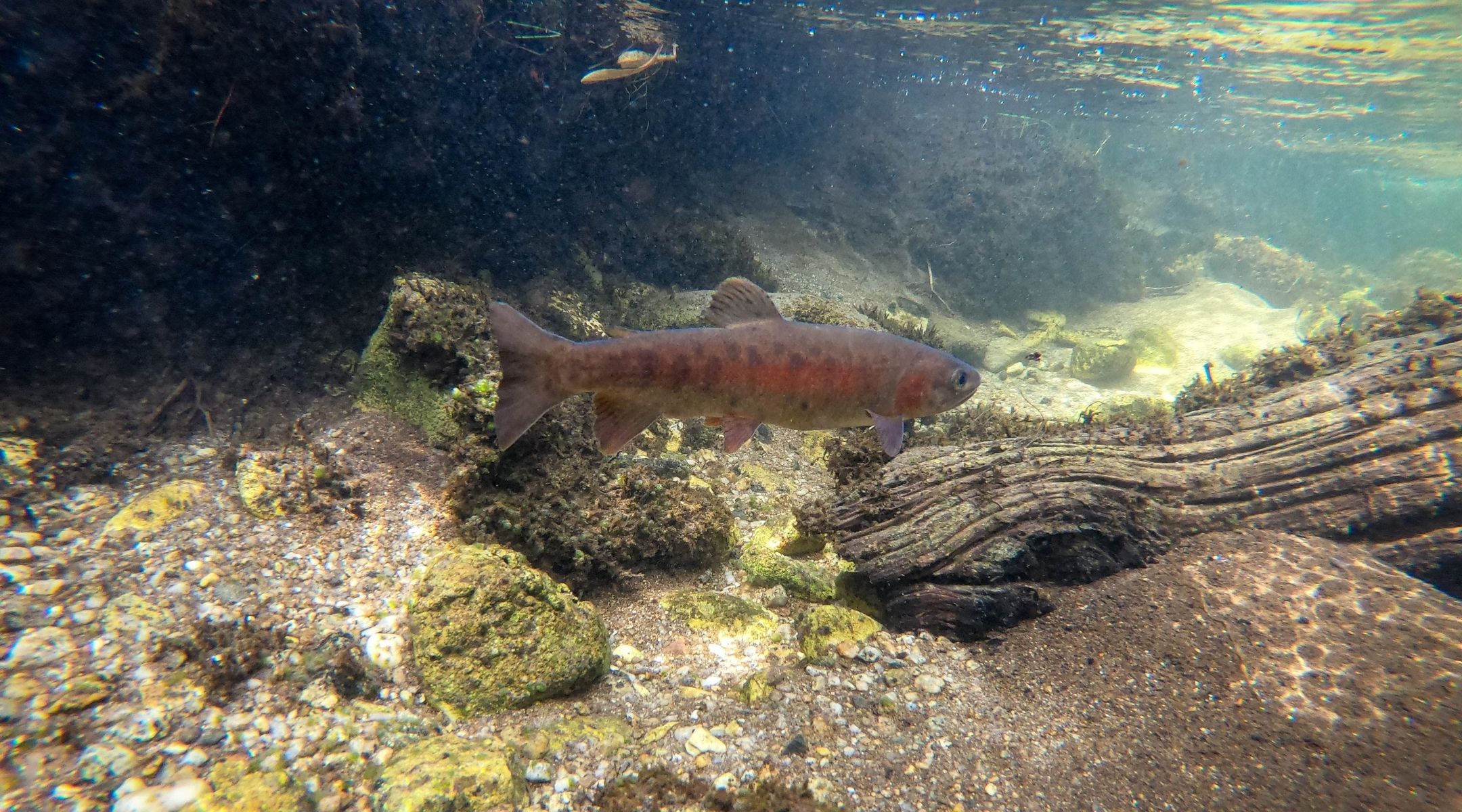
Where to find Paiute Cutthroat Trout
Paiute Cutthroat trout are native only to Silver King Creek, a tributary of the East Fork Carson River located at an elevation of about 2,400 m (about 7,900 ft.) in the Carson-Iceberg Wilderness in Humboldt-Toiyabe National Forest (Alpine Co.). Five pure populations of PCT exist in Coyote Valley, Corral Valley, Four Mile Canyon, and Upper Silver King creeks upstream of a historical barrier at Llewellyn Falls. Many introductions of Paiute Cutthroat have been attempted outside the species’ native range over the last six decades, though only Cottonwood and Cabin creeks (Mono Co.), Stairway Creek (Madera Co.), and Sharktooth Creek (Fresno Co.) have self-sustaining populations. There are no known populations of lake-dwelling Paiute Cutthroat trout in California.
How This Species Scored
From Caltrout’s SOS II Report
| METRIC | SCORE | JUSTIFICATION |
|---|---|---|
| Area occupied | 2 | Occupies several watersheds, but connectivity between headwater populations has recently been established on Silver King Creek. |
| Estimated adult abundance | 2 | The largest effective population may be less than 1,000 individuals, but most are much smaller. |
| Intervention dependence | 2 | Human assistance required to maintain and increase genetic diversity through reintroduction efforts and protection of limited habitats. |
| Environmental tolerance | 2 | Actual physiological tolerances not known, but adapted for small coldwater headwater streams, which suggests limited tolerance. |
| Genetic risk | 1 | Genetic diversity is very low. |
| Climate change | 3 | Vulnerable because streams are very small and some may become dry during droughts. |
| Anthropogenic threats | 3 | 2 High, 1 Medium threat. |
| Average | 2.1 | LEVEL OF CONCERN: HIGH |
CALTROUT IN ACTION
Explore CalTrout projects across the state.
Native Salmonids
Explore California’s native fish.
From steelhead to coastal cutthroat, California’s native fish are essential to healthy rivers and thriving ecosystems.
-
Bull Trout
-
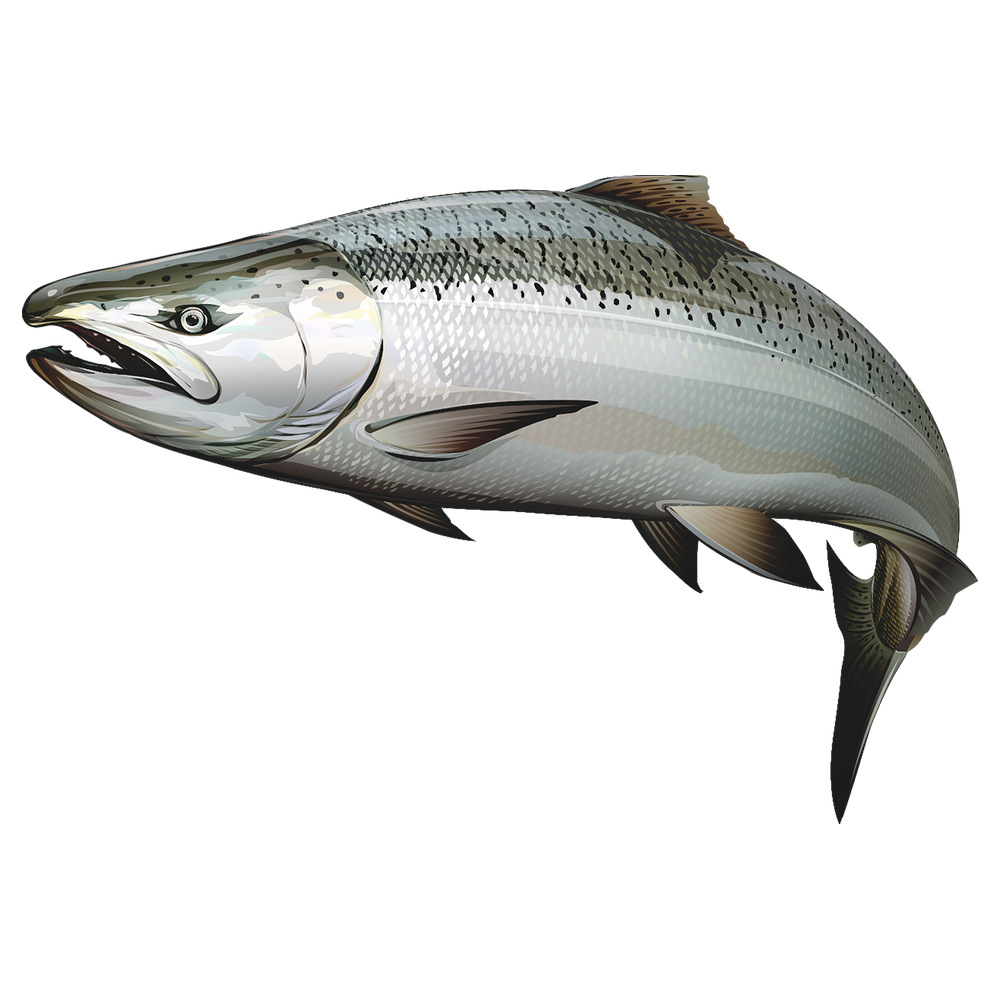
California Coastal Chinook Salmon
-
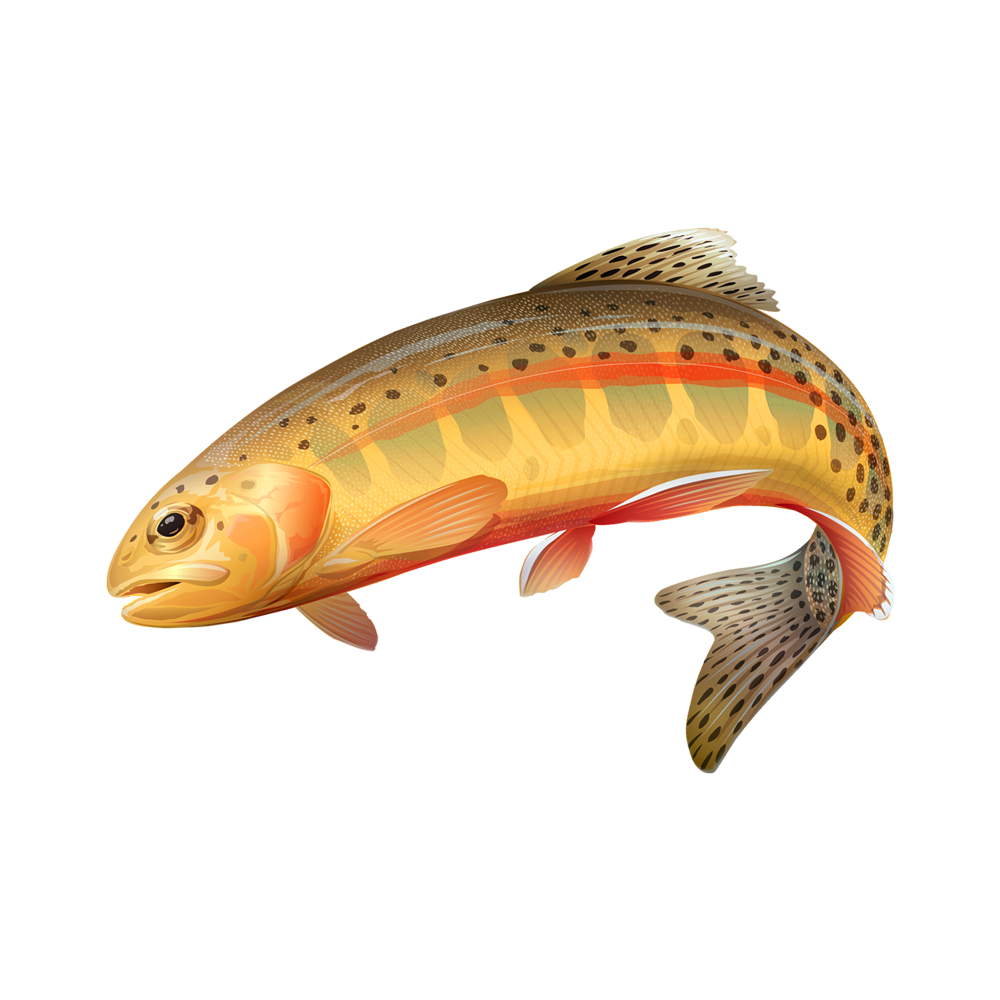
California Golden Trout
-
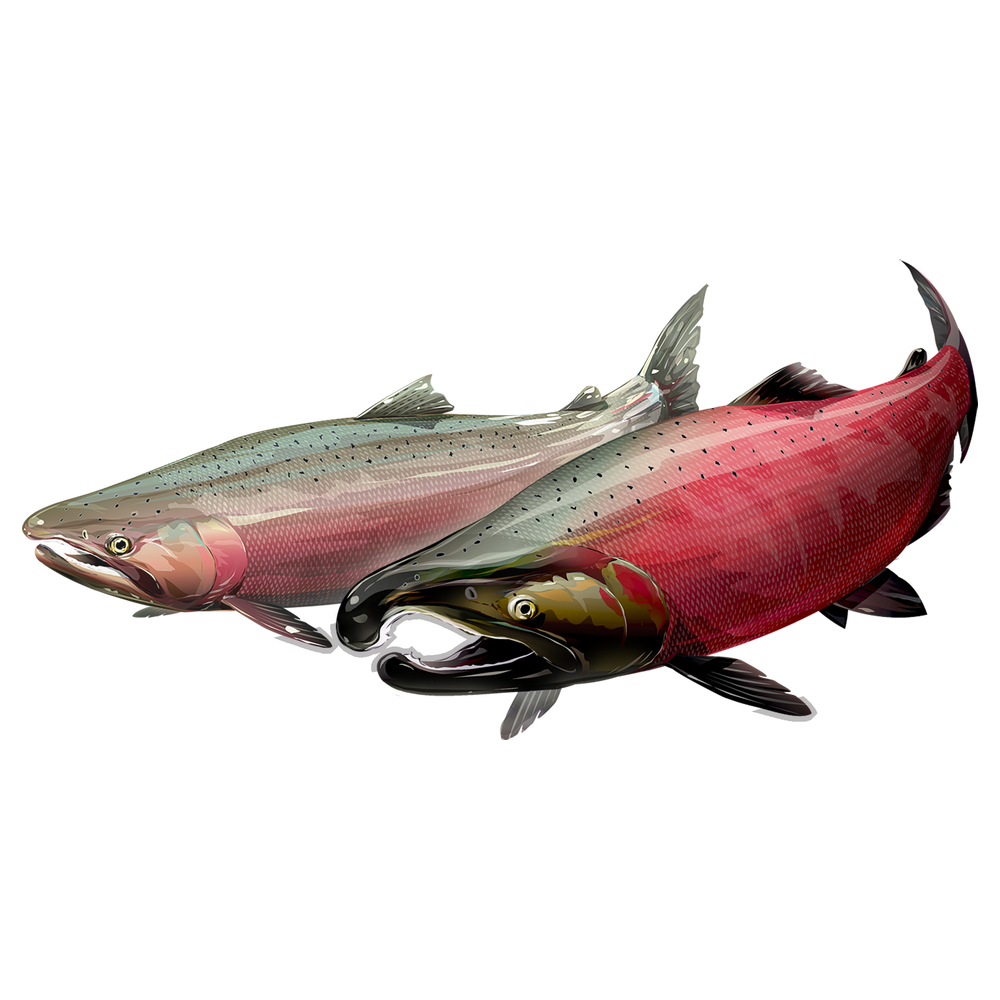
Central California Coast Coho Salmon
-
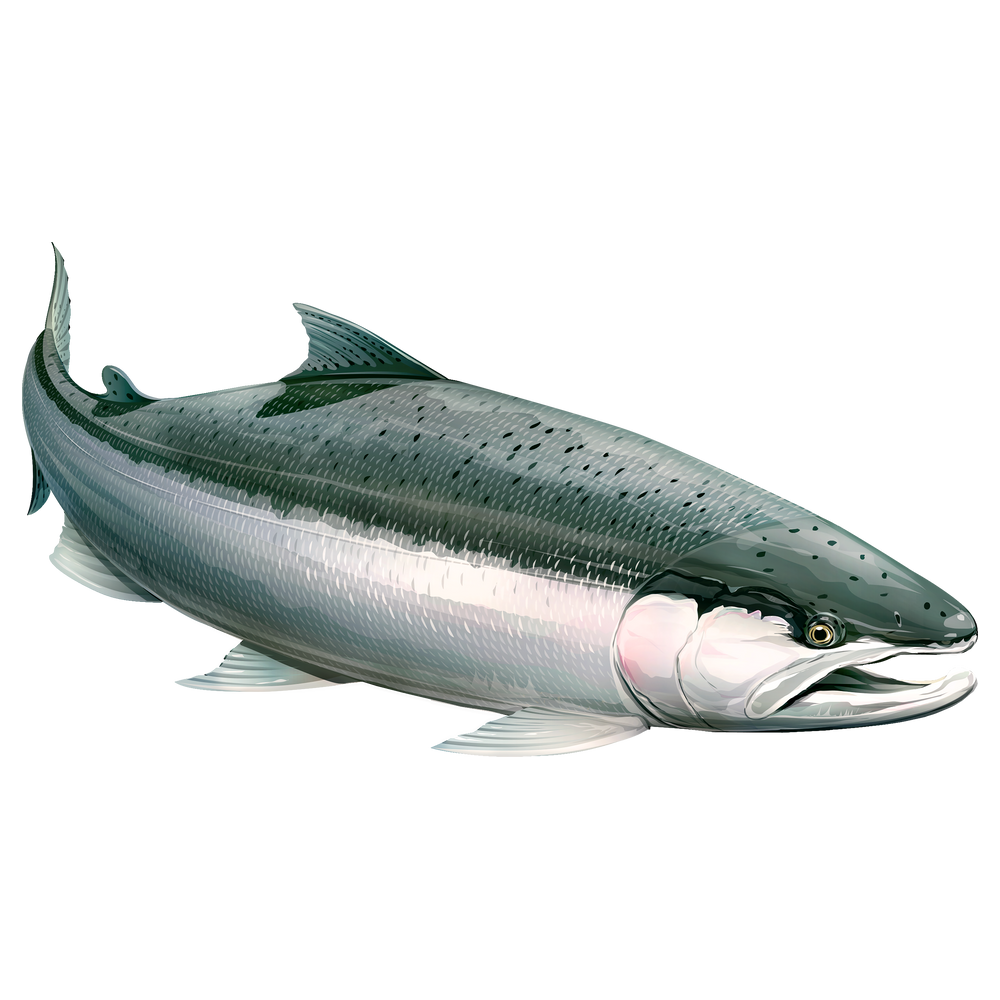
Central California Coast Steelhead
-
Central Valley Fall-Run Chinook Salmon
-
Central Valley Late Fall-Run Chinook Salmon
-
Central Valley Spring-Run Chinook Salmon
-
Central Valley Steelhead
-
Chinook Salmon
-
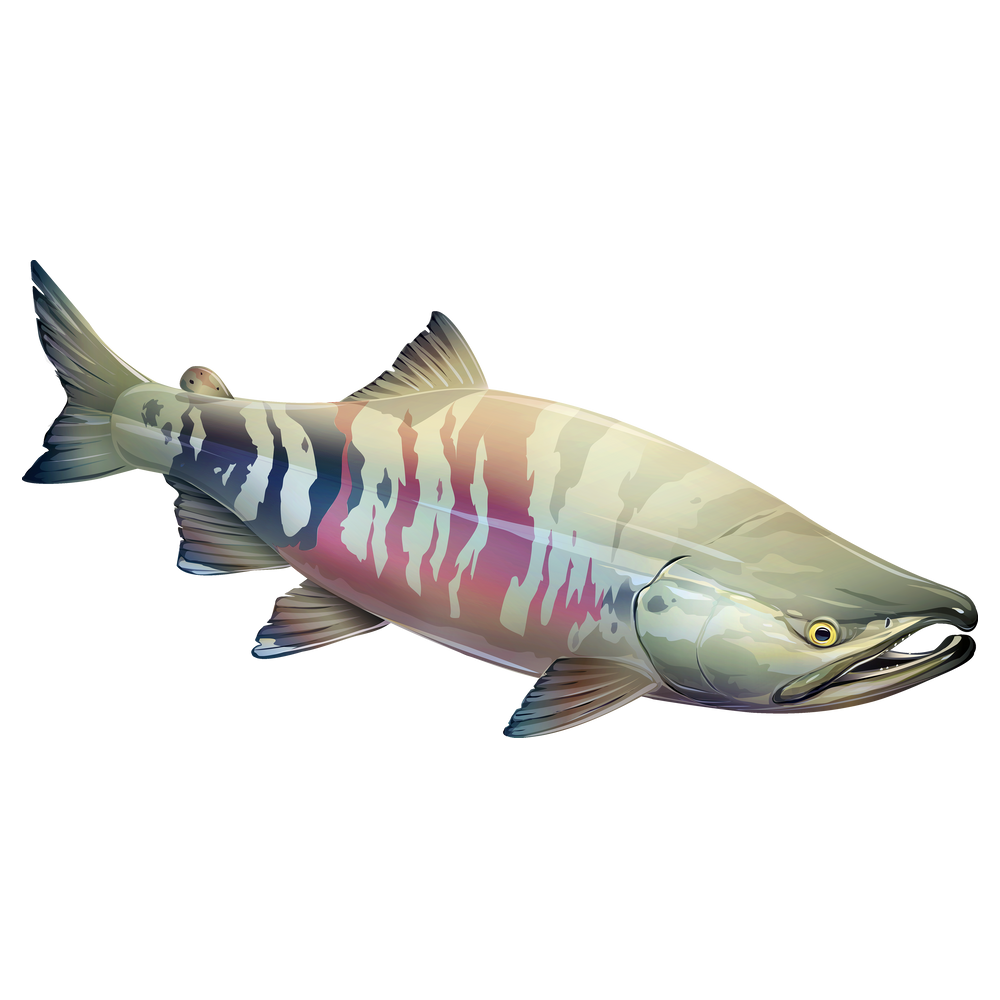
Chum Salmon
-
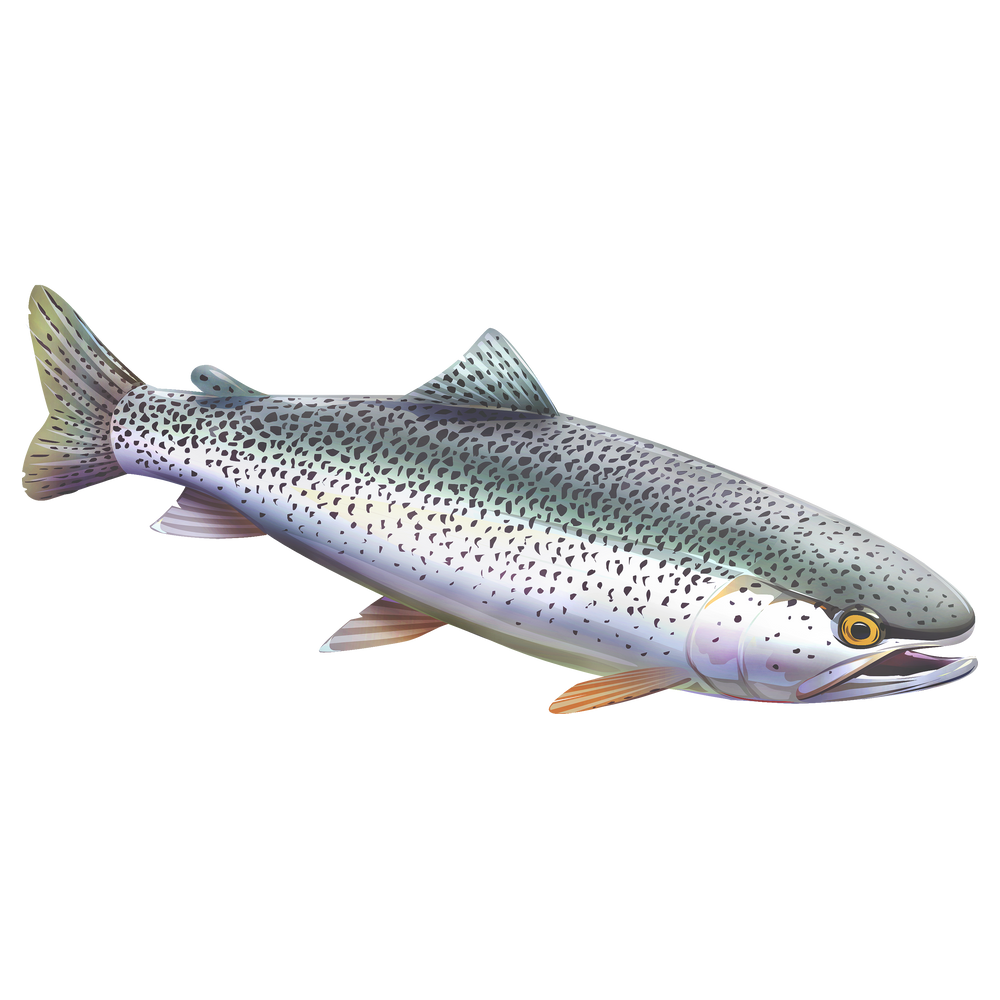
Coastal Cutthroat Trout
-
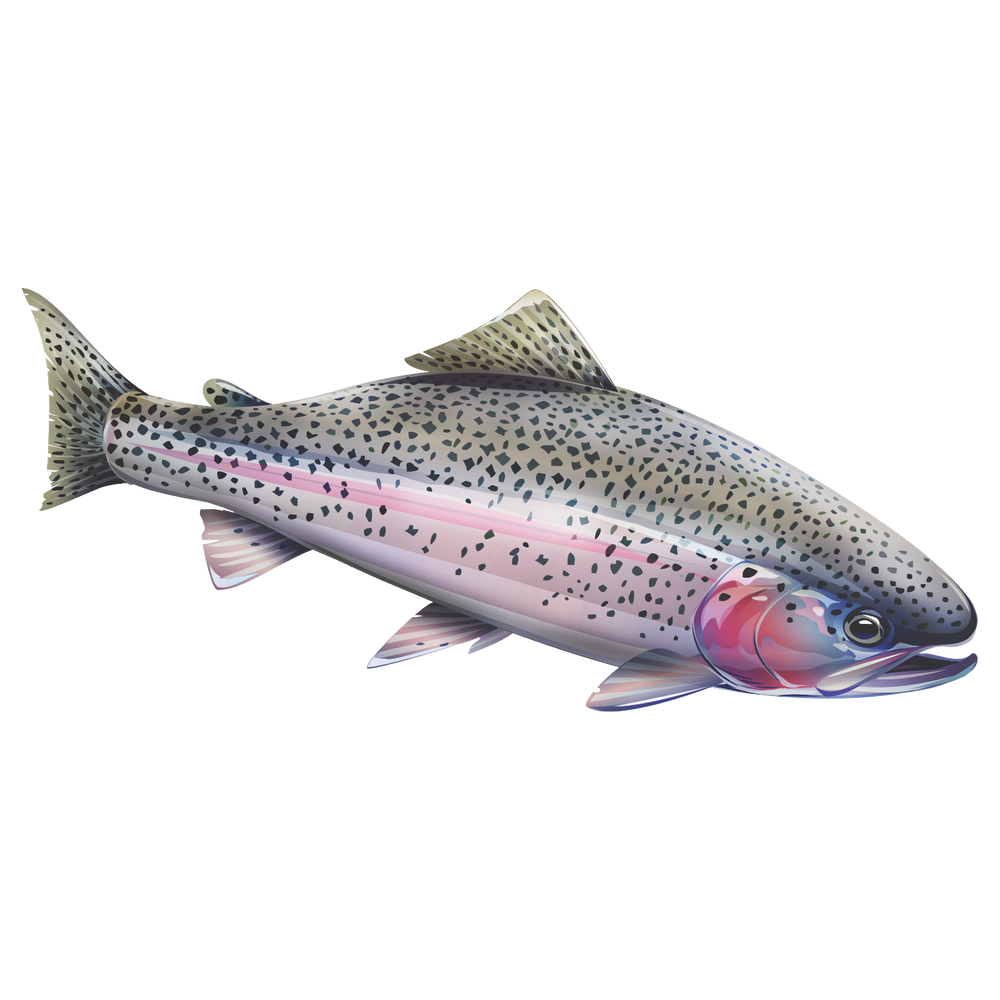
Coastal Rainbow Trout
-
Coho Salmon
-
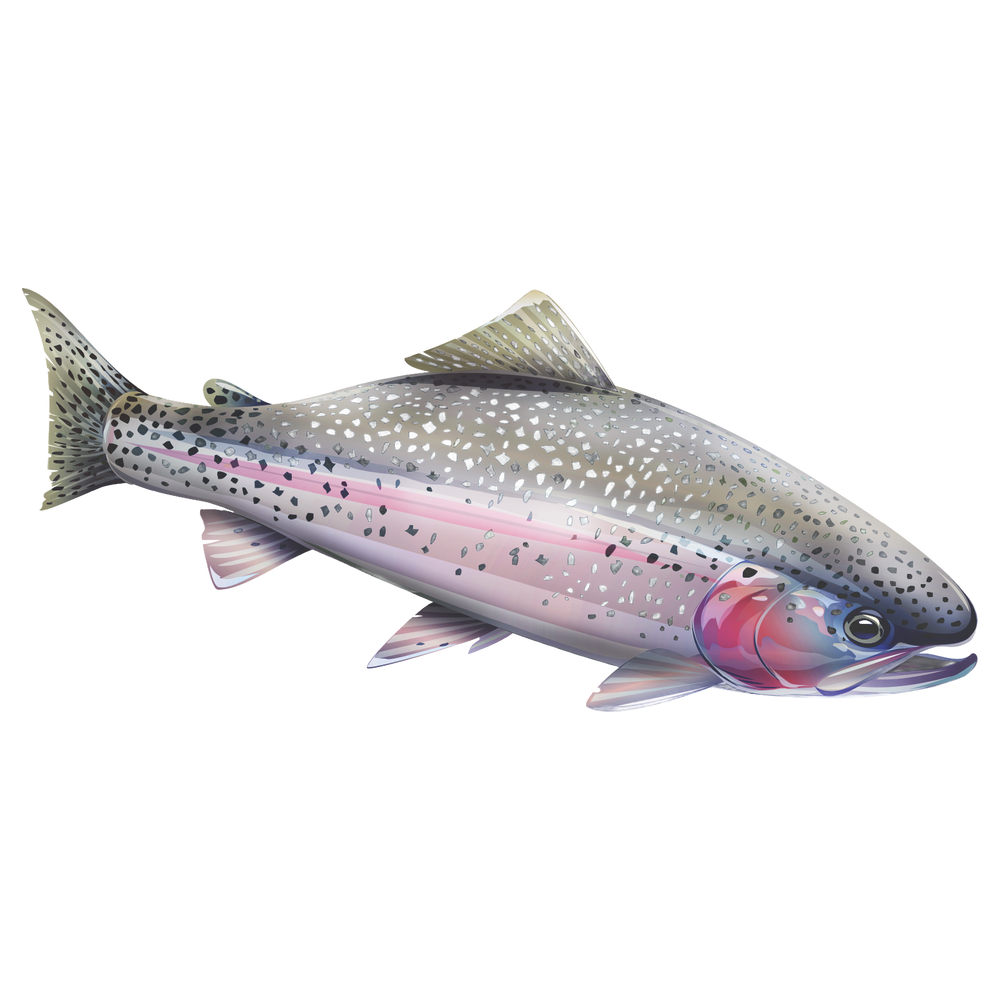
Eagle Lake Rainbow Trout
-
Goose Lake Redband Trout
-
Kern River Rainbow Trout
-
Klamath Mountains Province Summer Steelhead
-
Klamath Mountains Province Winter Steelhead
-
Lahontan Cutthroat Trout
-
Little Kern Golden Trout
-
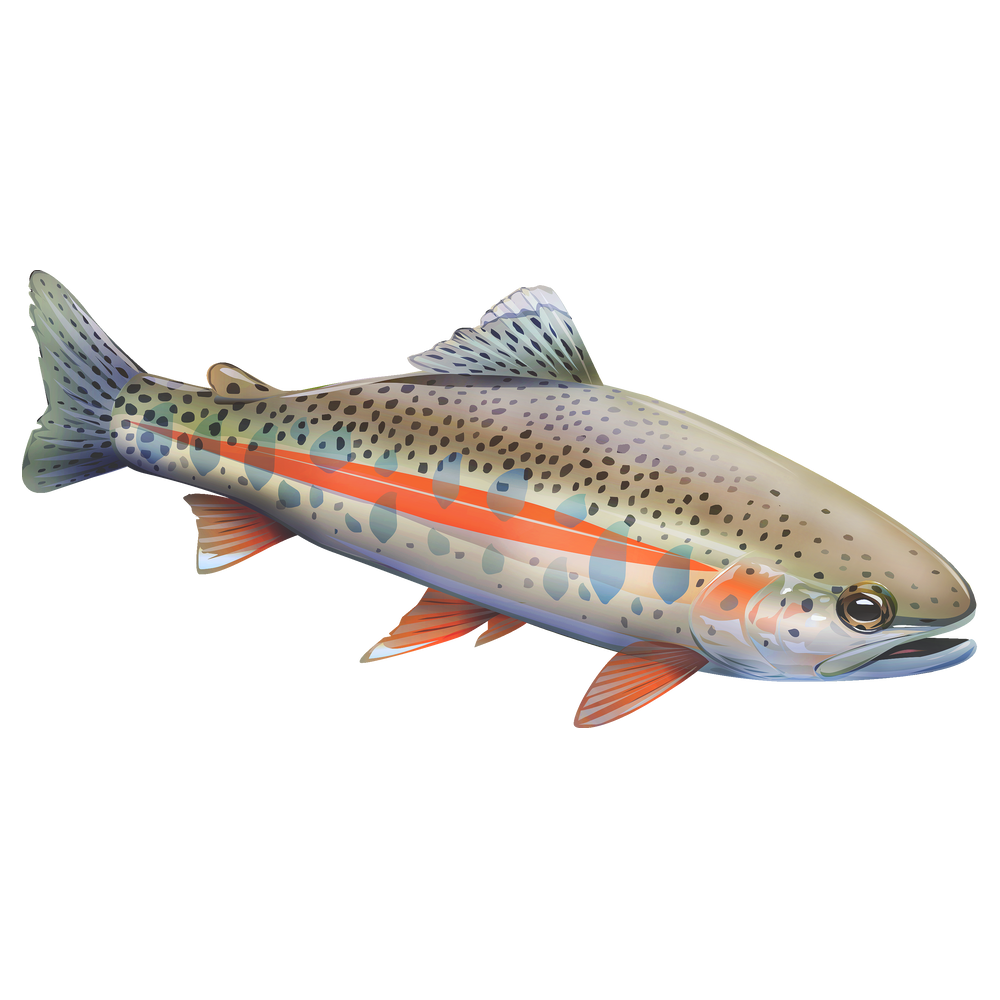
McCloud River Redband Trout
-
Northern California Summer Steelhead
-
Northern California Winter Steelhead
-
Paiute Cutthroat Trout
-
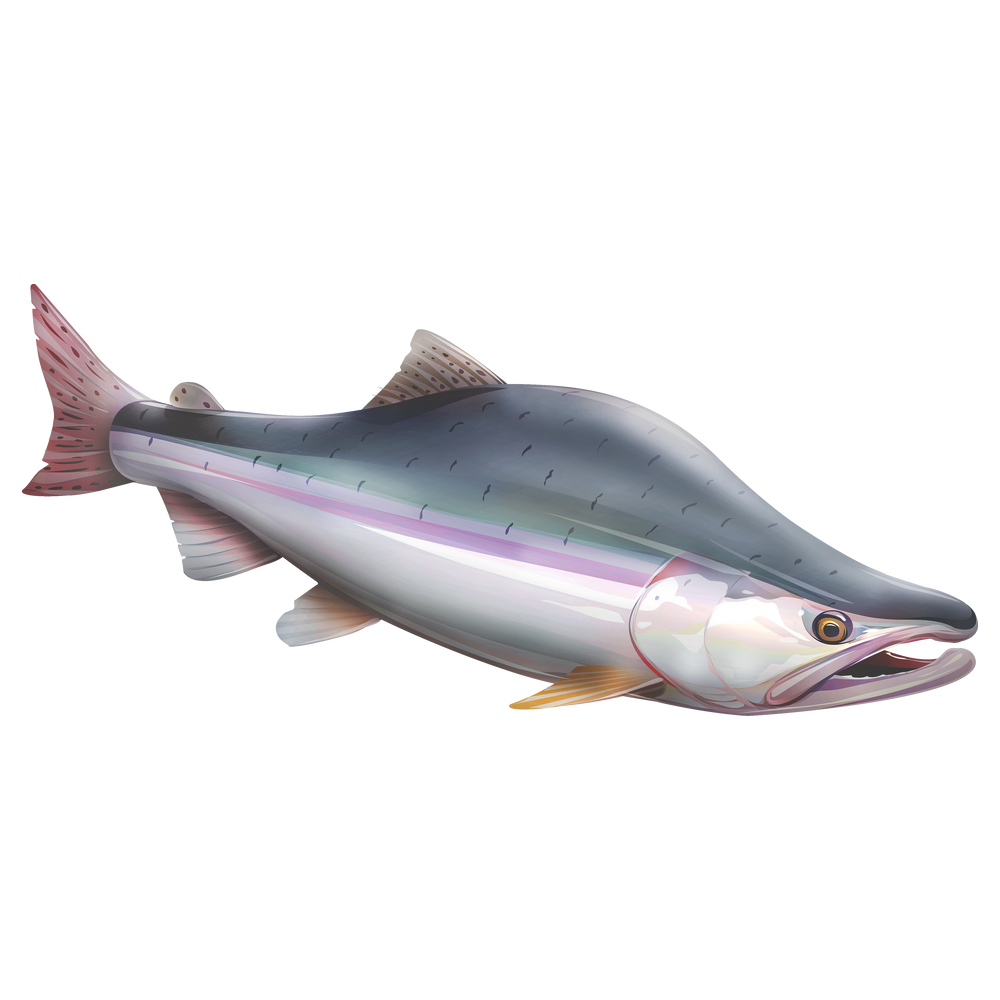
Pink Salmon
-
Sacramento River Winter-Run Chinook Salmon
-
South-Central California Coast Steelhead
-
Southern Oregon/Northern California Coast Chinook Salmon
SUPPORT CalTrout
The only statewide assessment of California’s native salmon, steelhead, and trout.
CalTrout, in collaboration with academic partners, has produced two once-a-decade State of the Salmonids reports — comprehensive scientific assessments of all 32 native salmon, steelhead, and trout species in California. The third report is currently set to release in 2027.