



SCORE
2.0
HIGH
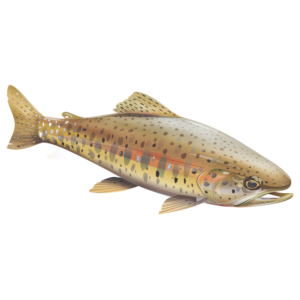
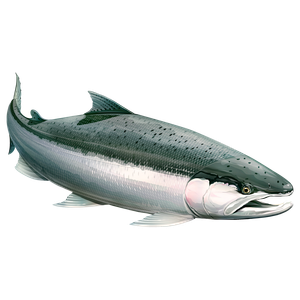
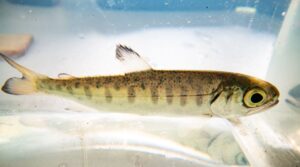
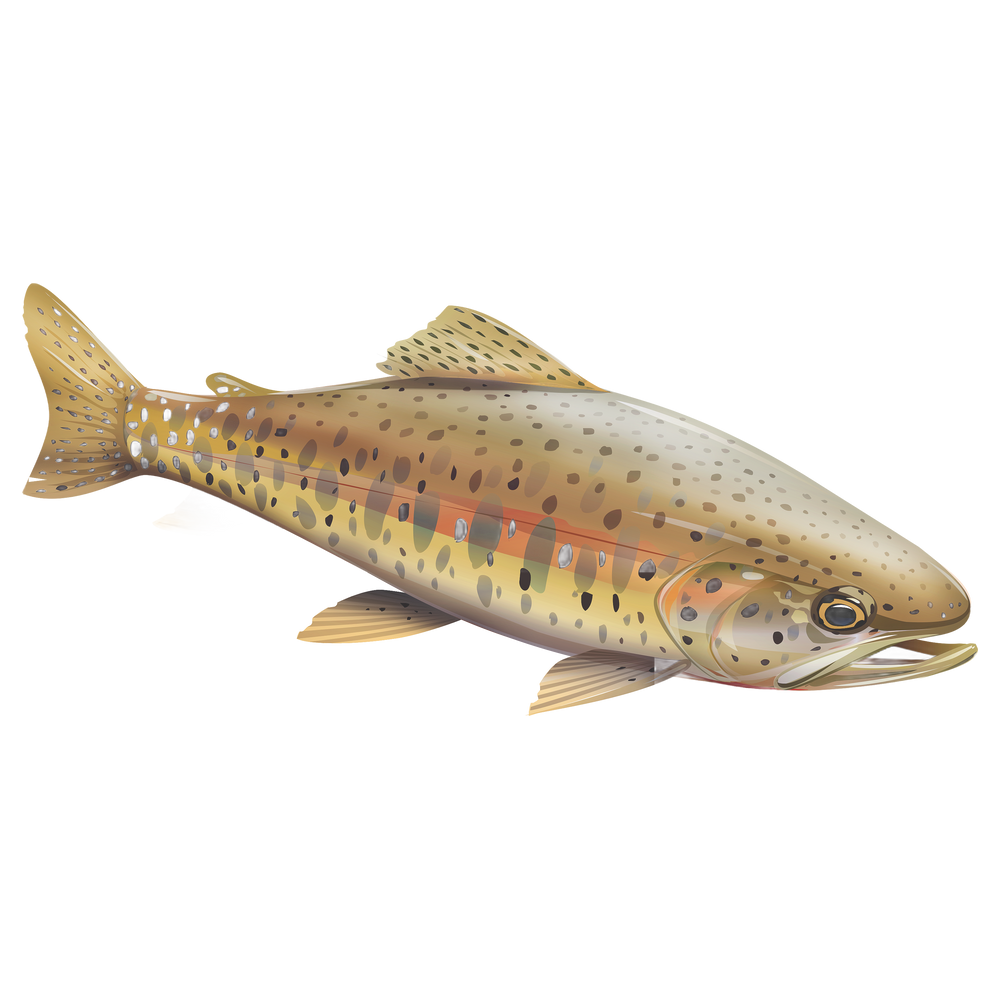
Lahontan Cutthroat Trout
Oncorhynchus clarkii henshawi
Species ranges
Related projects
At a Glance
Despite significant efforts in recent years, wild, self-sustaining Lahontan Cutthroat trout in California face a large and increasing risk of extinction over the next 50 years due primarily to the presence of non-native trout and degraded habitats throughout their range.
Species characteristics
Conservation Actions
Conservation Strategy
- Ramp up alien species removal, such as Brook, Brown, and Rainbow trout, with appropriate education and outreach efforts.
- Maintain Lahontan Cutthroat in current habitats and reintroduce them to historical habitat where practicable.
- Assess and prioritize current and potential Lahontan Cutthroat trout habitats for restoration.
- Reduce stream diversions, reconnect fragmented floodplain and riparian habitats to stream reaches, and improve instream habitat.
- Explore use of a conservation hatchery and associated genetic management plan to maintain genetic diversity and serve as source populations for future reintroduction efforts.
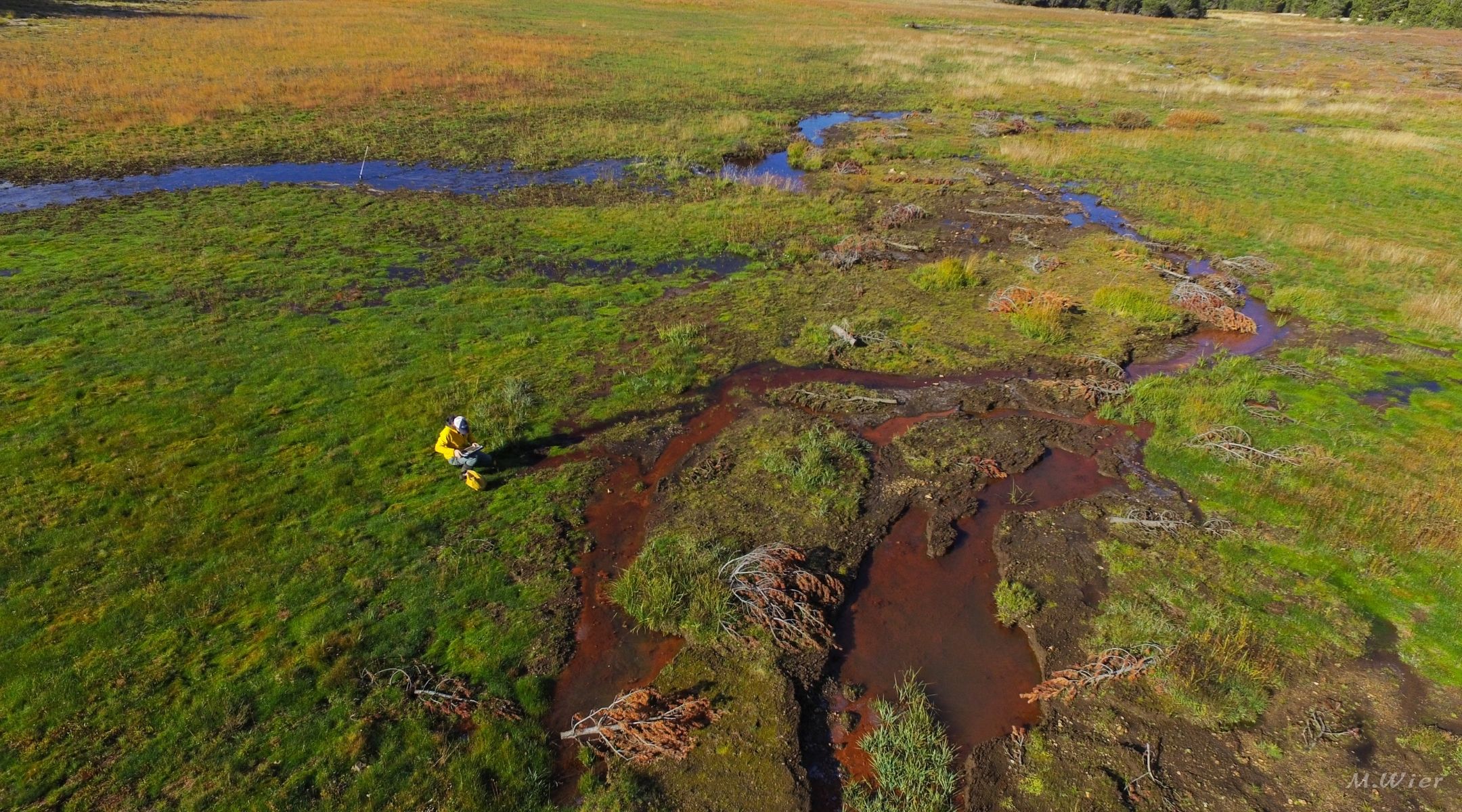
- Assess, prioritize, and restore riparian and headwater meadows to boost water storage capacity, restore critical habitats, and bolster resiliency to climate change.
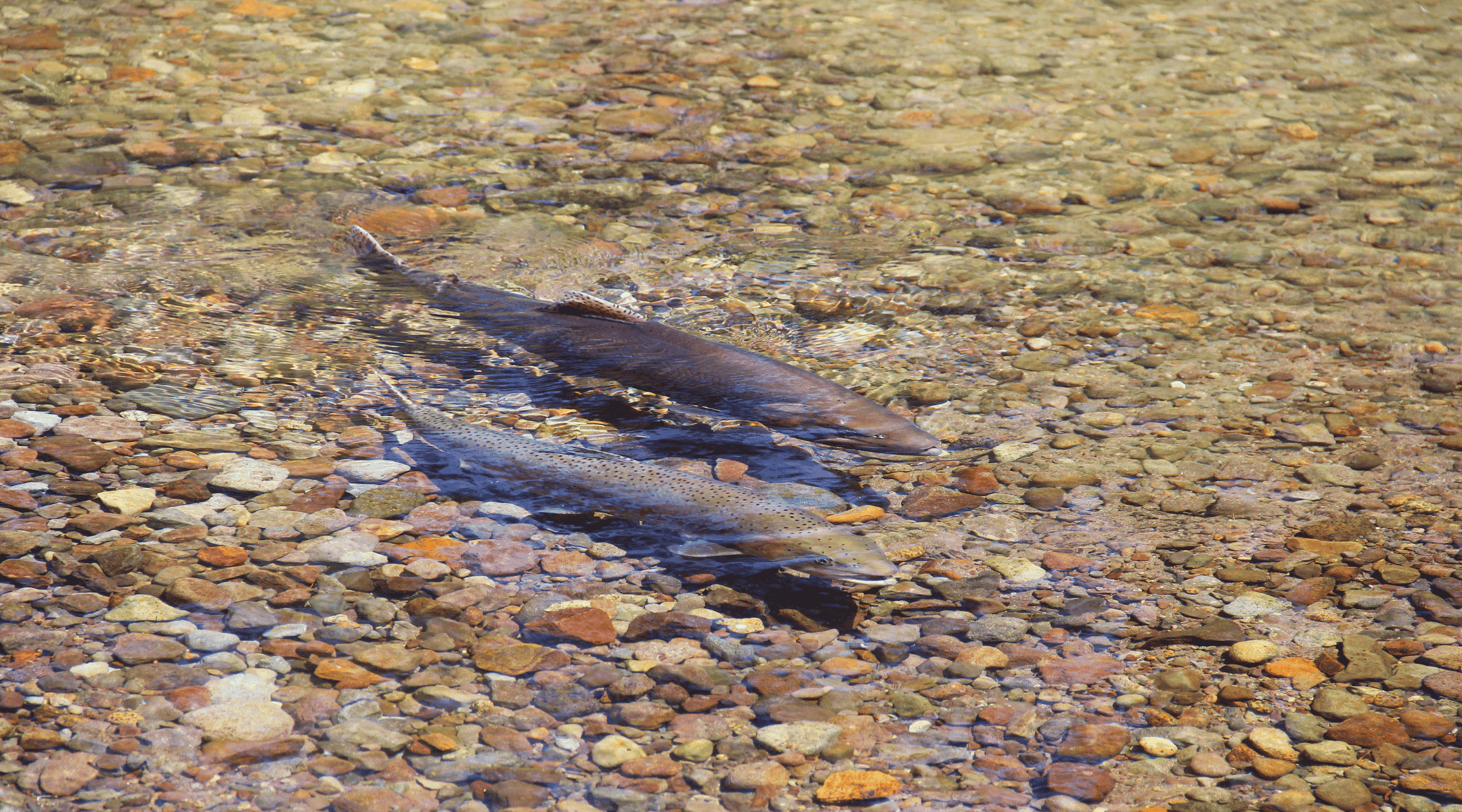
Where to find Lahontan Cutthroat Trout
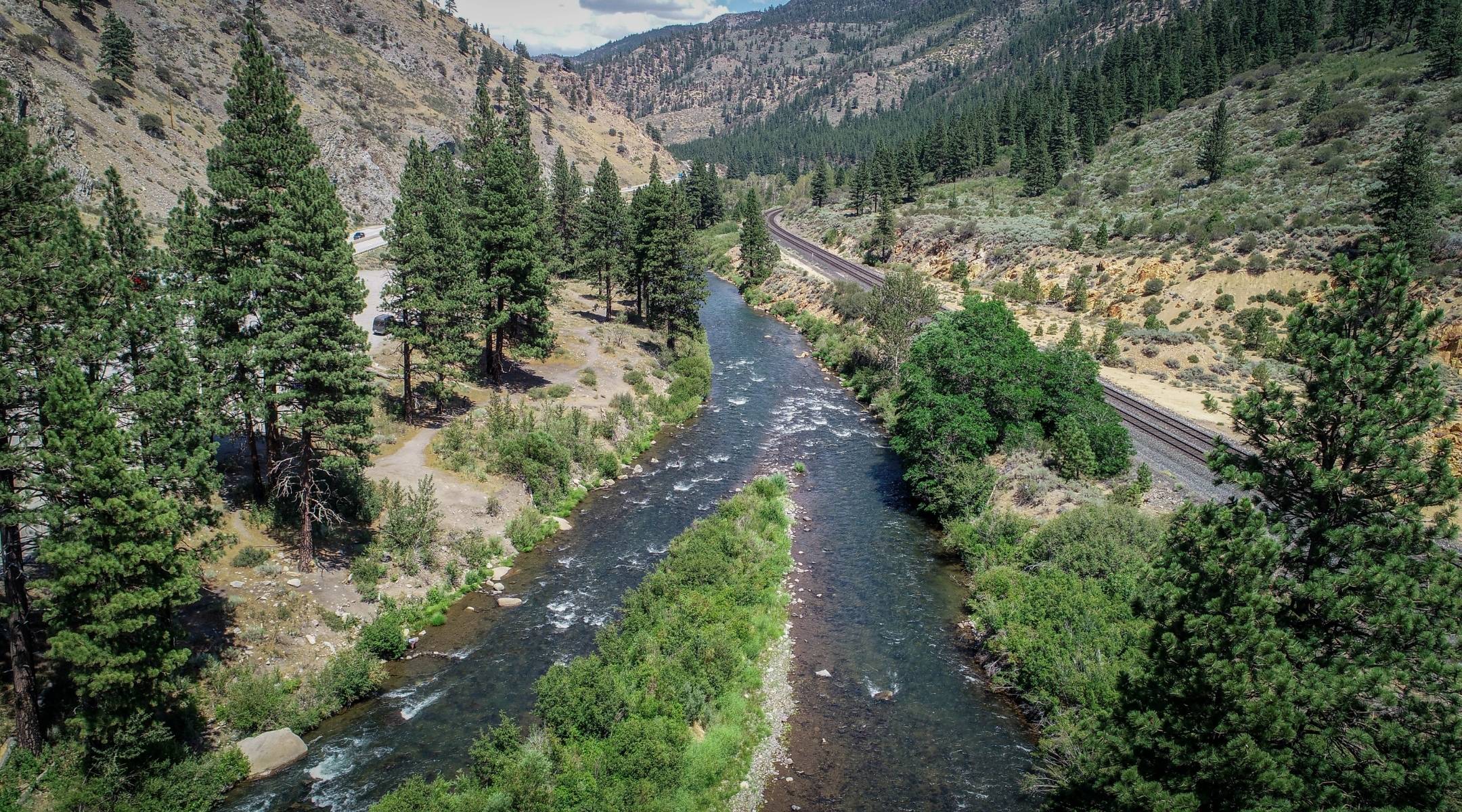
Historically, Lahontan Cutthroat trout were found across the Lahontan Basin in Southern Oregon, Eastern California and Northern Nevada. The Western Lahontan segment of the species encompasses fish in their current range in California, including populations in the Carson, Truckee, and Walker drainages, Lake Tahoe tributaries, and some lakes. Once found in the Susan River drainage, Lahontan Cutthroat trout since have been transplanted to other basins in California to help boost their populations in different geographies.
Truckee River
Walker Creek
Carson River
Lake Tahoe
< 5%
OF ORIGINAL CA STREAM HABITAT STILL SUPPORTS THESE FISH
0.4%
OF ORIGINAL CA LAKE HABITAT STILL SUPPORTS THESE FISH
< 1,000
INDIVIDUALS MAKE UP MOST WILD POPULATIONS
41 lbs
THE LARGEST LAHONTAN CUTTHROAT TROUT EVER RECORDED
How This Species Scored
From Caltrout’s SOS II Report
| METRIC | SCORE | JUSTIFICATION |
|---|---|---|
| Area occupied | 2 | Multiple watersheds in California, but no connectivity among them. |
| Estimated adult abundance | 2 | Most wild populations have significantly less than 1,000 fish each, with the lacustrine habitats and Upper Truckee River as the exceptions. |
| Intervention dependence | 1 | Hatchery program using wild brood stock required for persistence. |
| Environmental tolerance | 5 | LCT are fairly long-lived and demonstrate broad physiological tolerance and are iteroparous. —— |
| Genetic risk | 1 | Hybridization risk and loss of genetic variation is well documented and the major threat to the species. |
| Climate change | 1 | LCT are extremely vulnerable to climate change in all watersheds inhabited. |
| Anthropogenic threats | 2 | 1 Critical and 2 High Factors. |
| Average | 2.0 | LEVEL OF CONCERN: HIGH |
CALTROUT IN ACTION
Explore projects affecting the
Lahontan Cutthroat Trout

Native Salmonids
Explore California’s native fish.
From steelhead to coastal cutthroat, California’s native fish are essential to healthy rivers and thriving ecosystems.
-
Bull Trout
-
California Coastal Chinook Salmon
-
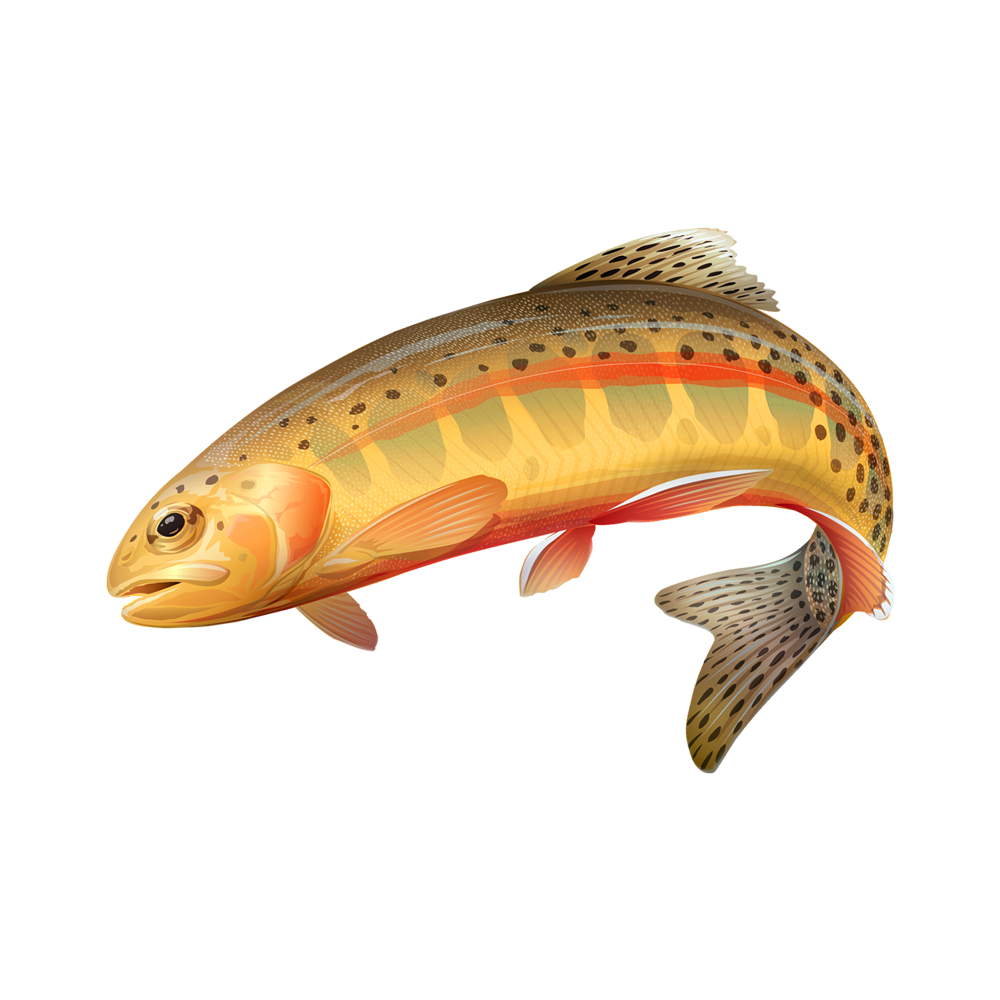
California Golden Trout
-
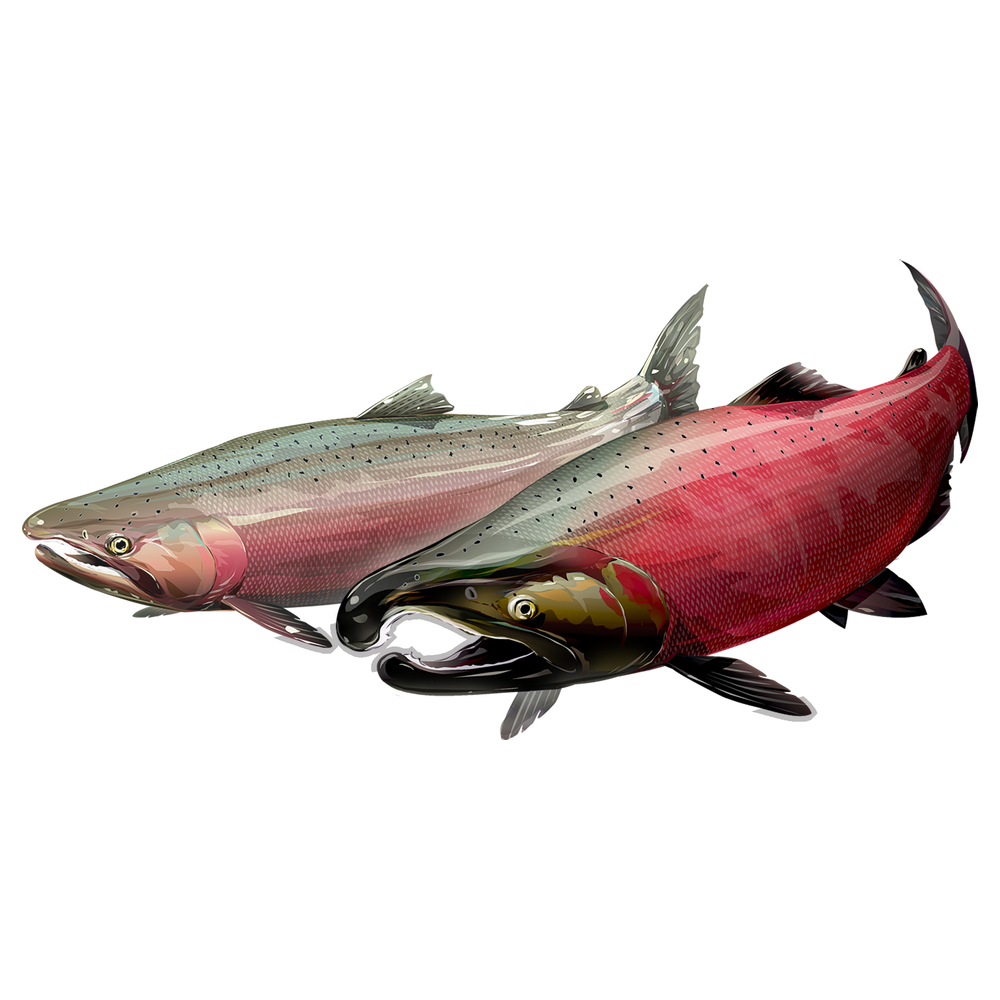
Central California Coast Coho Salmon
-
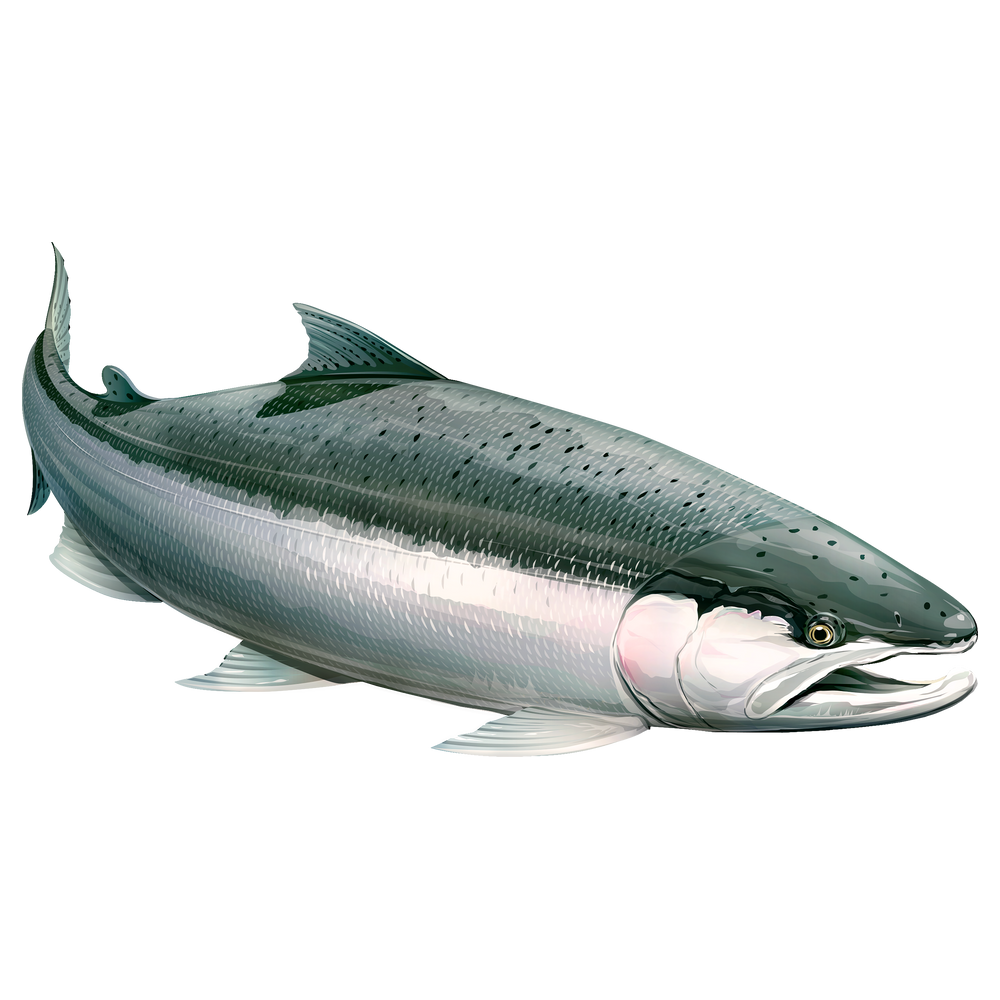
Central California Coast Steelhead
-
Central Valley Fall-Run Chinook Salmon
-
Central Valley Late Fall-Run Chinook Salmon
-
Central Valley Spring-Run Chinook Salmon
-
Central Valley Steelhead
-
Chinook Salmon
-
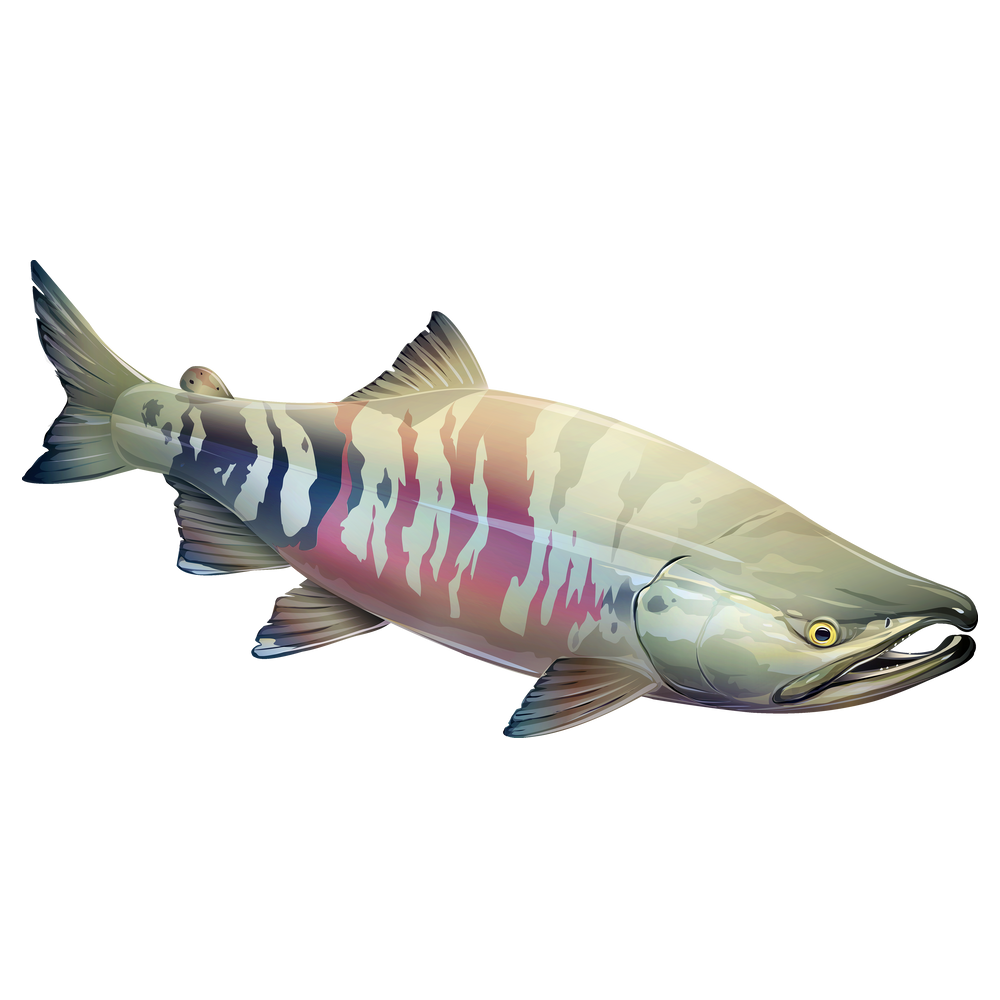
Chum Salmon
-
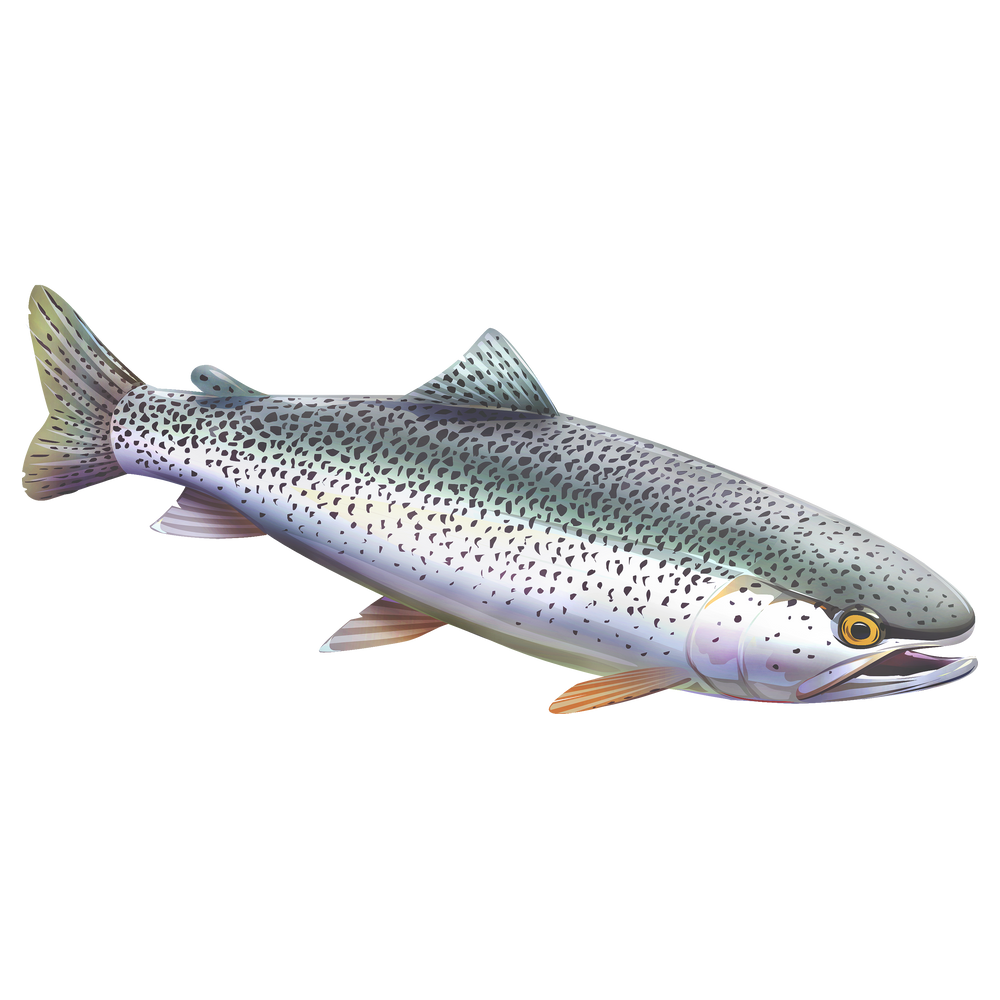
Coastal Cutthroat Trout
-
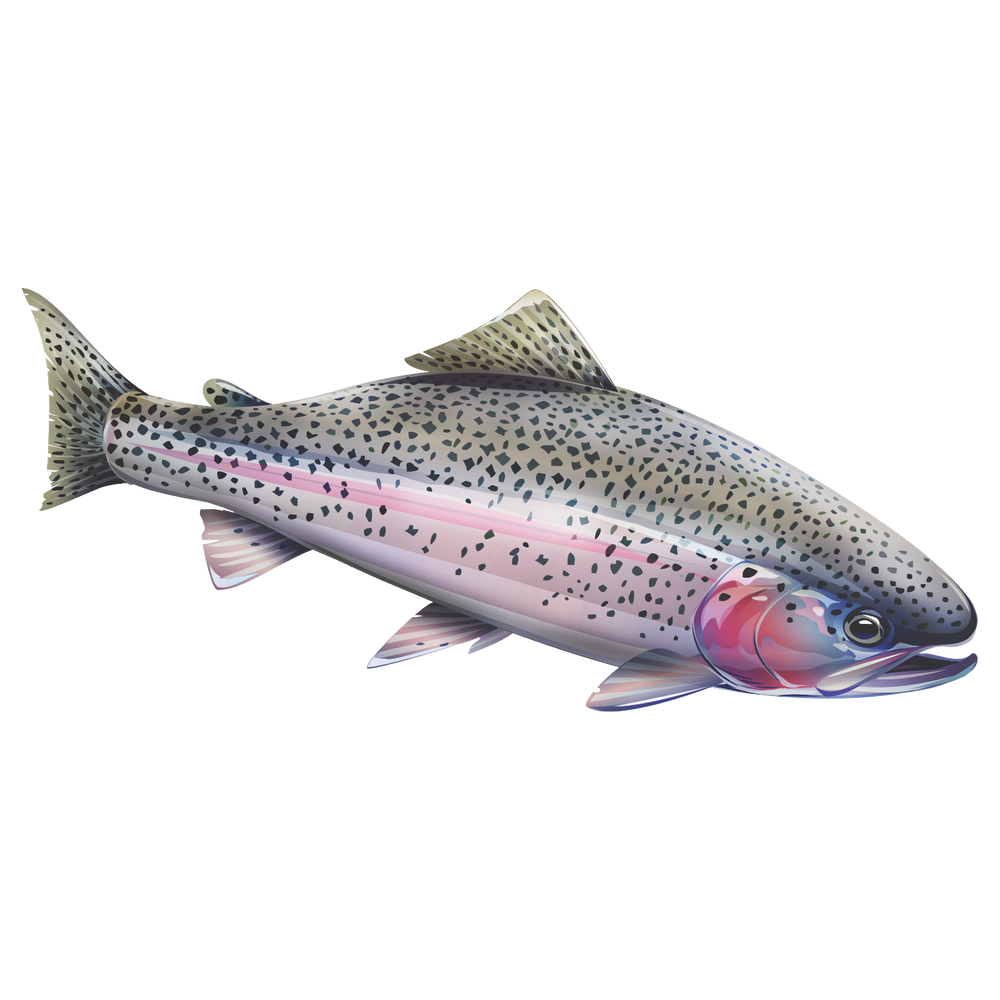
Coastal Rainbow Trout
-
Coho Salmon
-
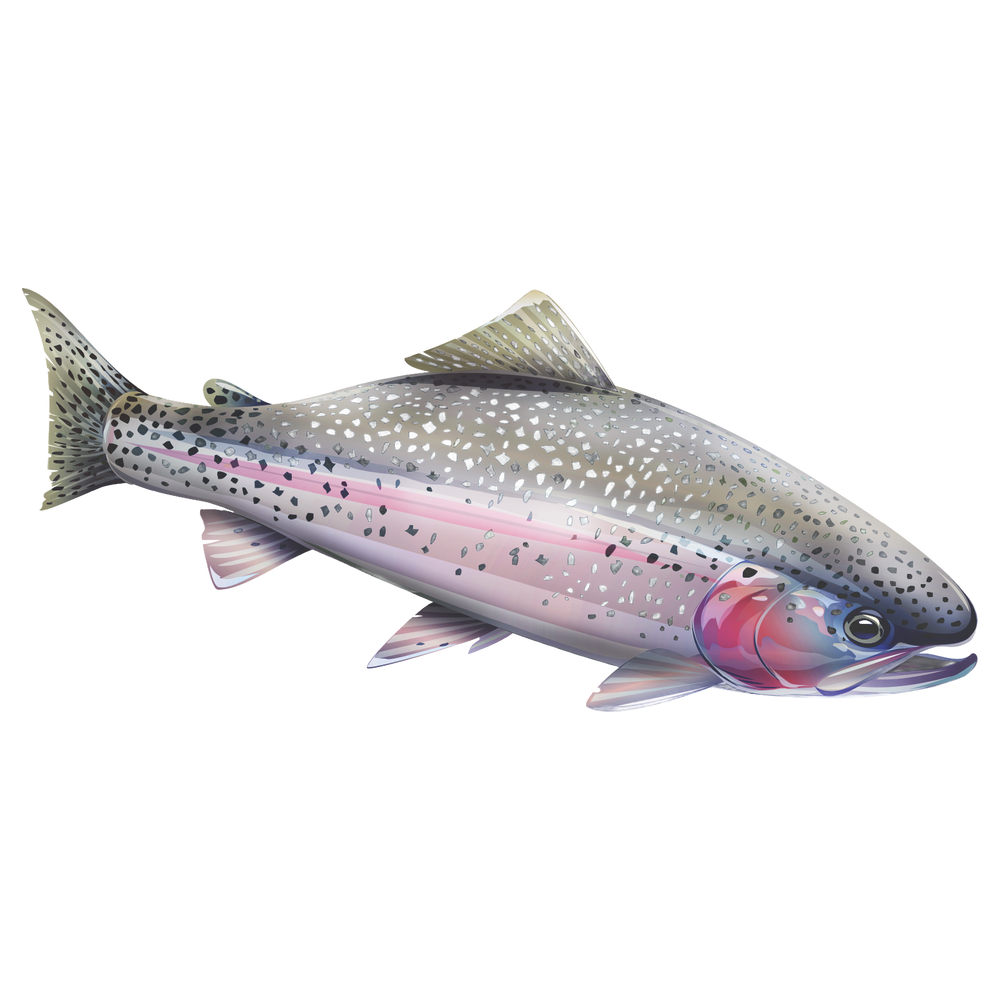
Eagle Lake Rainbow Trout
-
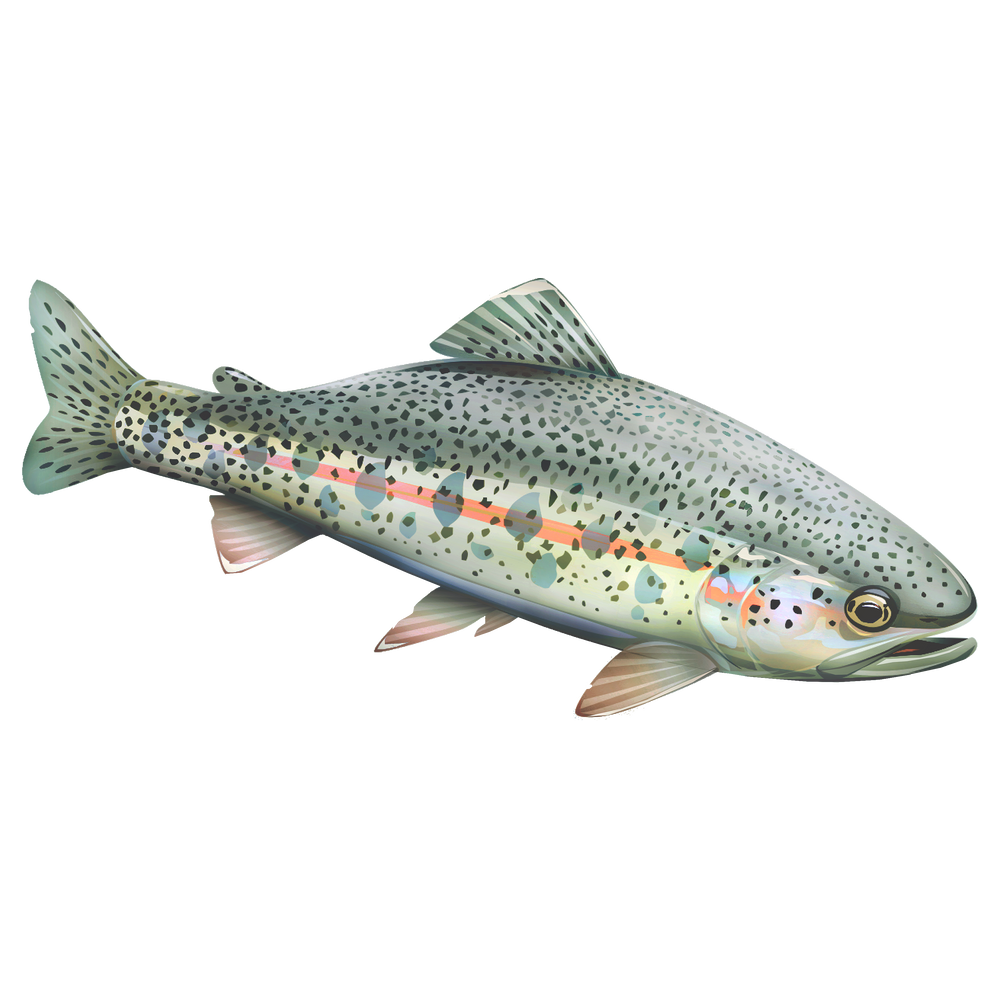
Goose Lake Redband Trout
-
Kern River Rainbow Trout
-
Klamath Mountains Province Summer Steelhead
-
Klamath Mountains Province Winter Steelhead
-
Lahontan Cutthroat Trout
-
Little Kern Golden Trout
-
McCloud River Redband Trout
-
Northern California Summer Steelhead
-
Northern California Winter Steelhead
-
Paiute Cutthroat Trout
-
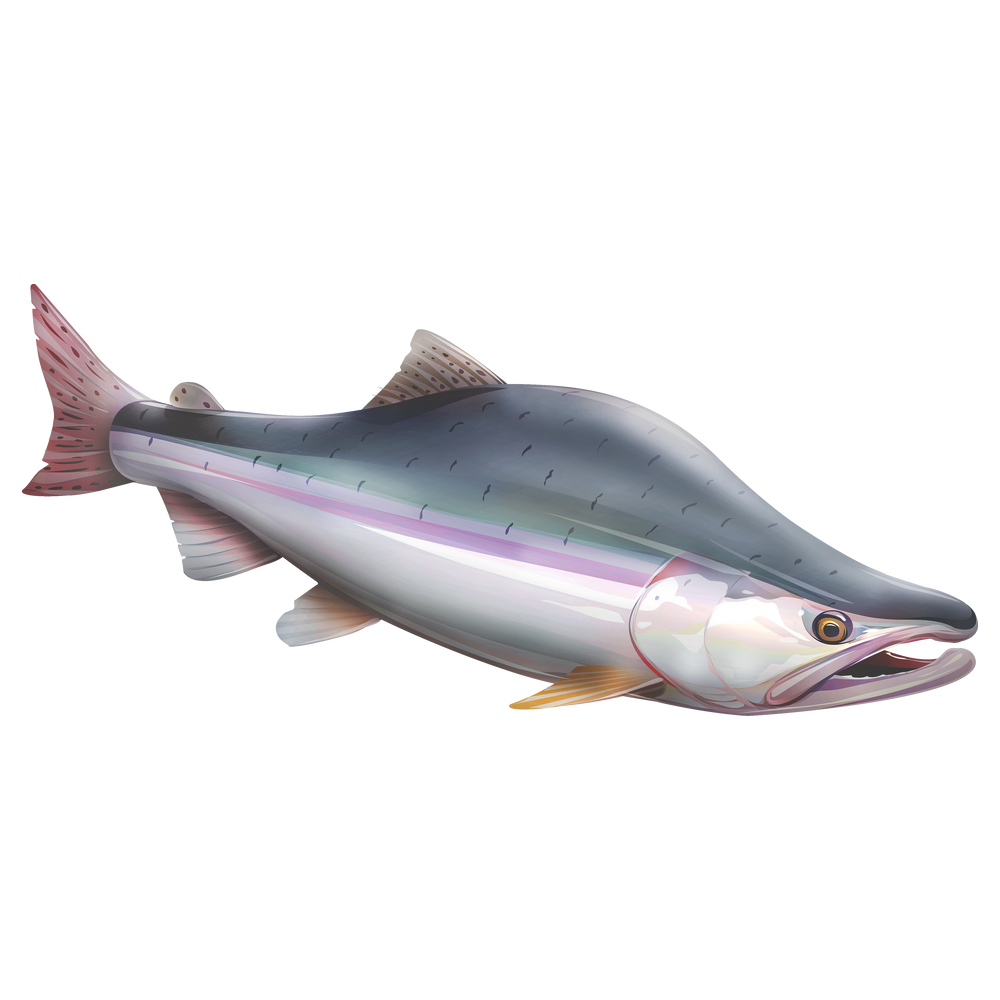
Pink Salmon
-
Sacramento River Winter-Run Chinook Salmon
-
South-Central California Coast Steelhead
-
Southern Oregon/Northern California Coast Chinook Salmon
SUPPORT CalTrout
The only statewide assessment of California’s native salmon, steelhead, and trout.
CalTrout, in collaboration with academic partners, has produced two once-a-decade State of the Salmonids reports — comprehensive scientific assessments of all 32 native salmon, steelhead, and trout species in California. The third report is currently set to release in 2027.