
SCORE
1.9
CRITICAL
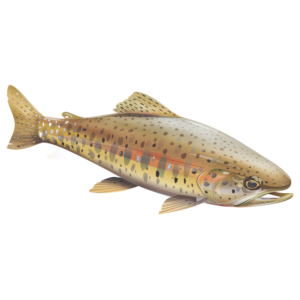
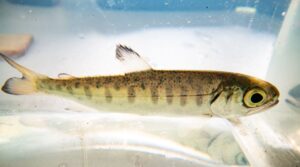
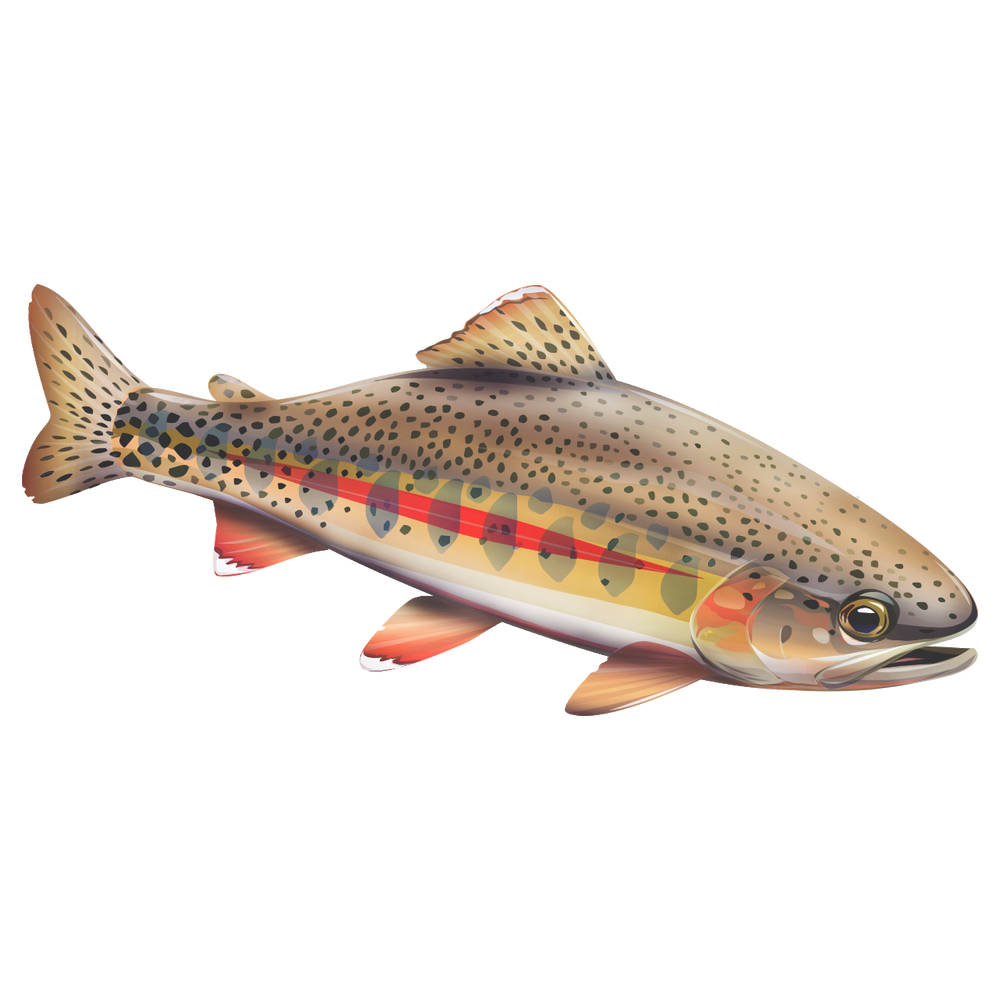
Little Kern Golden Trout
Oncorhynchus mykiss whitei
Species ranges
Related projects
At a Glance
The Little Kern Golden trout is vulnerable to extinction in its native range in the next 100 years. The recovery of Little Kern Golden trout is ongoing, and the focus on reducing hybridized populations is shifting to improving genetic diversity, population connectivity and size, and expanding the species’ distribution.
Species characteristics
Conservation Actions
Conservation Strategy
- Identify all unhybridized and slightly hybridized populations.
- Prepare a conservation strategy and genetic management plan.
- Conduct habitat assessments to prioritize future restoration actions.
- Establish refuge populations through translocations.
- Continue to use and manage structural barriers to minimize hybridization but improve connectivity between unhybridized populations.
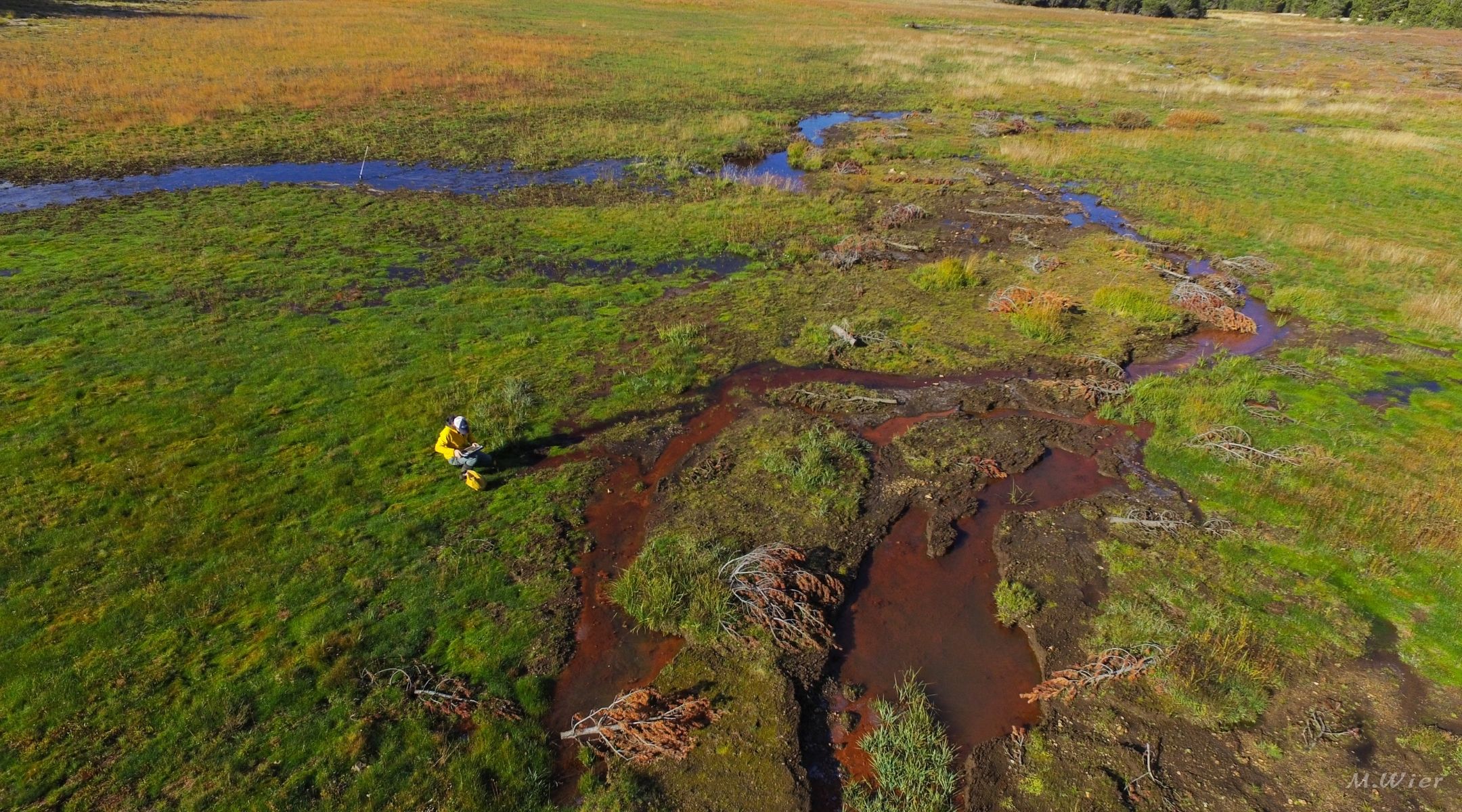
- Revise grazing management plans and use riparian fencing to protect Lion, Grey, and Loggy meadows to provide critical habitat and enhance species resiliency to climate change.
Where to find Little Kern Golden Trout
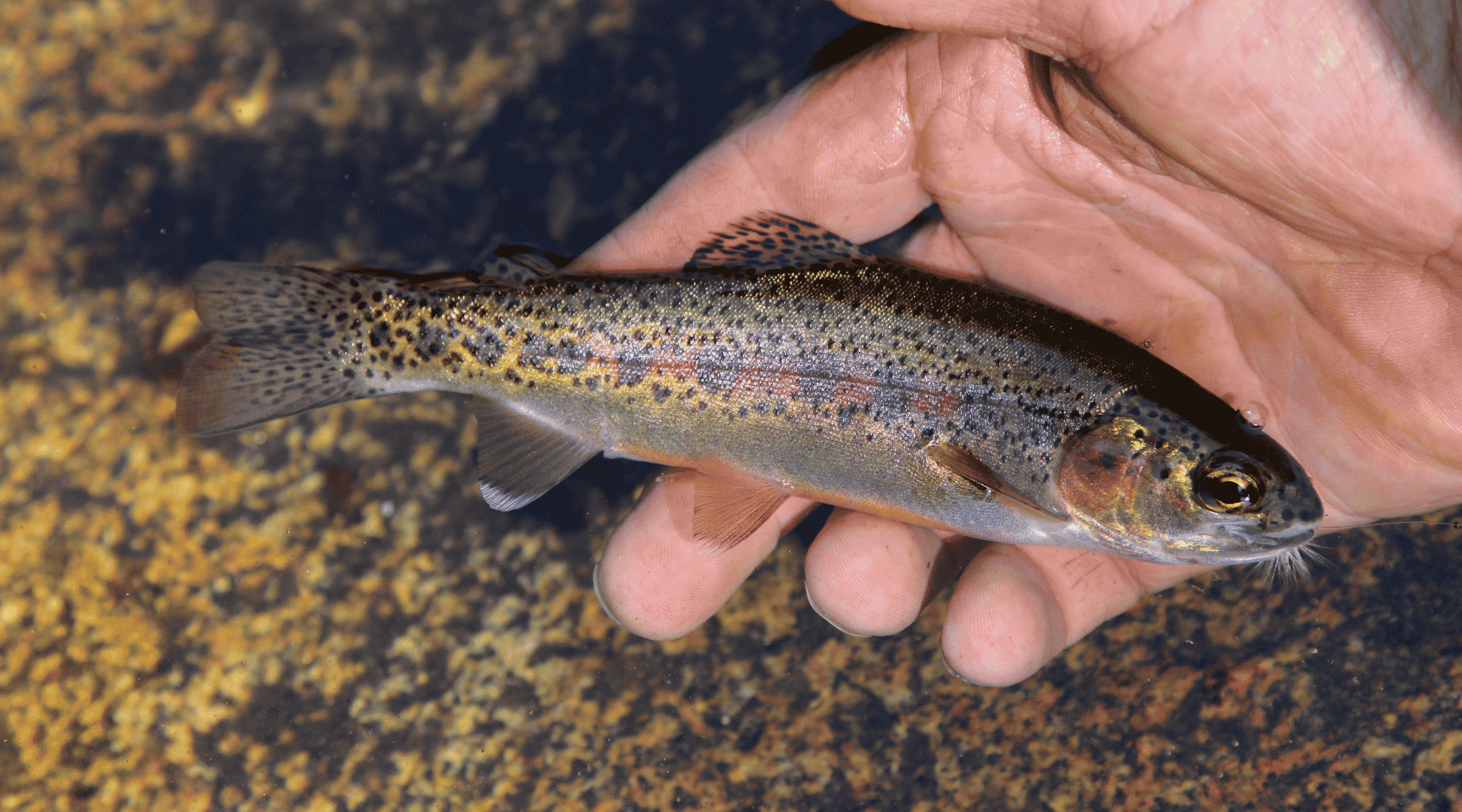
Little Kern Golden trout were historically isolated to roughly 160 km (about 100 mi.) of streams in the Little Kern River and its tributaries by natural barriers such as waterfalls and cascades. Hybridization with non-native trout reduced their habitat range to less than 16 km (10 mi.) of streams in the 1970s. By the year 2000, after decades of restoration, barrier management, and reintroduction through stocking, their habitat was restored to over 51 km (32 mi.) of streams and three lakes. Relatively “pure” Little Kern Golden trout can be found today in upper North Fork Clicks Creek, Upper Clicks Creek, Trout Meadow Creek, Little Kern River above Broder’s Cabin, and the Little Kern River above Wet Meadows Creek in Sequoia National Forest (Tulare County).
How This Species Scored
From Caltrout’s SOS II Report
| METRIC | SCORE | JUSTIFICATION |
|---|---|---|
| Area occupied | 1 | Unhybridized populations occur in just 5 or 6 stream segments. With the exception of Coyote Creek (adjacent drainage), there are no other populations outside the Little Kern drainage. |
| Estimated adult abundance | 2 | Probably less than 5,000 adults in 5 isolated populations. |
| Intervention dependence | 3 | Requires intervention to maintain unhybridized populations, prevent invasions of alien trout, and promote population connectivity. |
| Environmental tolerance | 3 | Presumably fairly tolerant, as are most Rainbow trout, but not tested. |
| Genetic risk | 1 | Significant as populations are fragmented. Ongoing threats from hybridization and loss of genetic diversity through inbreeding and genetic drift. |
| Climate change | 1 | Critically vulnerable to range reductions and habitat alteration from climate change. |
| Anthropogenic threats | 2 | 1 High and 1 Medium threat. |
| Average | 1.9 | LEVEL OF CONCERN: CRITICAL |
CALTROUT IN ACTION
Explore projects affecting the
Little Kern Golden Trout
Native Salmonids
Explore California’s native fish.
From steelhead to coastal cutthroat, California’s native fish are essential to healthy rivers and thriving ecosystems.
-
Bull Trout
-
California Coastal Chinook Salmon
-
California Golden Trout
-
Central California Coast Coho Salmon
-
Central California Coast Steelhead
-
Central Valley Fall-Run Chinook Salmon
-
Central Valley Late Fall-Run Chinook Salmon
-
Central Valley Spring-Run Chinook Salmon
-
Central Valley Steelhead
-
Chinook Salmon
-
Chum Salmon
-
Coastal Cutthroat Trout
-
Coastal Rainbow Trout
-
Coho Salmon
-
Eagle Lake Rainbow Trout
-
Goose Lake Redband Trout
-
Kern River Rainbow Trout
-
Klamath Mountains Province Summer Steelhead
-
Klamath Mountains Province Winter Steelhead
-
Lahontan Cutthroat Trout
-
Little Kern Golden Trout
-
McCloud River Redband Trout
-
Northern California Summer Steelhead
-
Northern California Winter Steelhead
-
Paiute Cutthroat Trout
-
Pink Salmon
-
Sacramento River Winter-Run Chinook Salmon
-
South-Central California Coast Steelhead
-
Southern Oregon/Northern California Coast Chinook Salmon
SUPPORT CalTrout
The only statewide assessment of California’s native salmon, steelhead, and trout.
CalTrout, in collaboration with academic partners, has produced two once-a-decade State of the Salmonids reports — comprehensive scientific assessments of all 32 native salmon, steelhead, and trout species in California. The third report is currently set to release in 2027.