

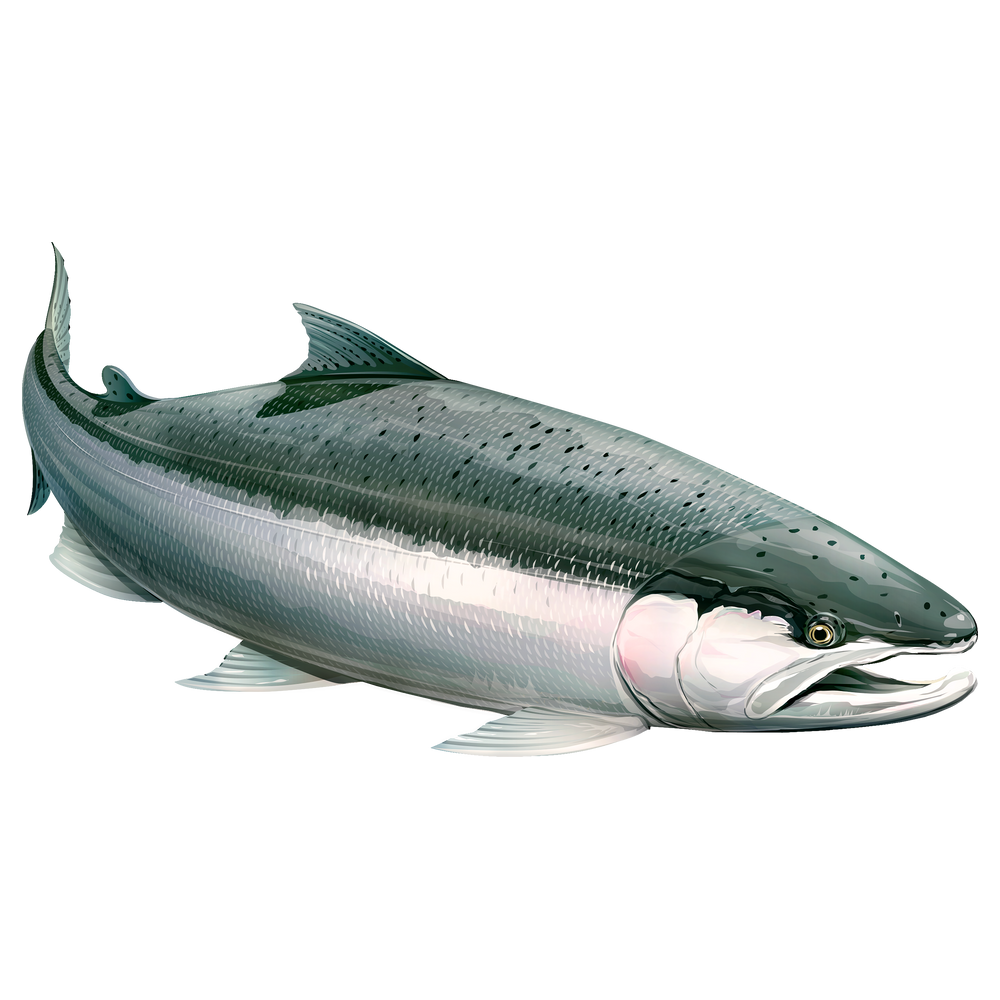
SCORE
3.0
MODERATE
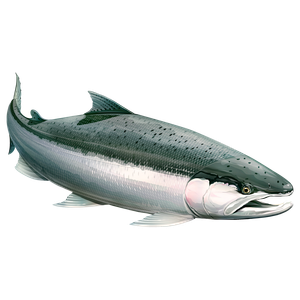
Klamath Mountains Province Winter Steelhead
Oncorhynchus mykiss irideus
Species ranges
Related projects
At a Glance
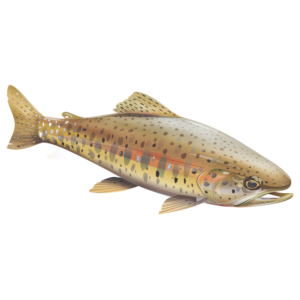
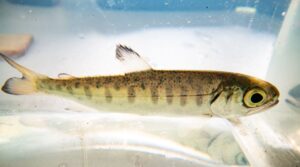
Klamath Mountain Province (KMP) winter steelhead are in a state of decline from historical numbers in the Klamath Basin. These ocean-maturing fish are relatively more widespread than the stream-maturing summer-run fish, yet still face an uncertain future due to reductions in suitable habitat.
Species characteristics
Conservation Actions
Conservation Strategy
- Manage KMP winter and summer steelhead separately based on their different habitat and conservation needs.
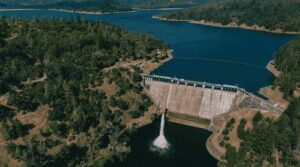
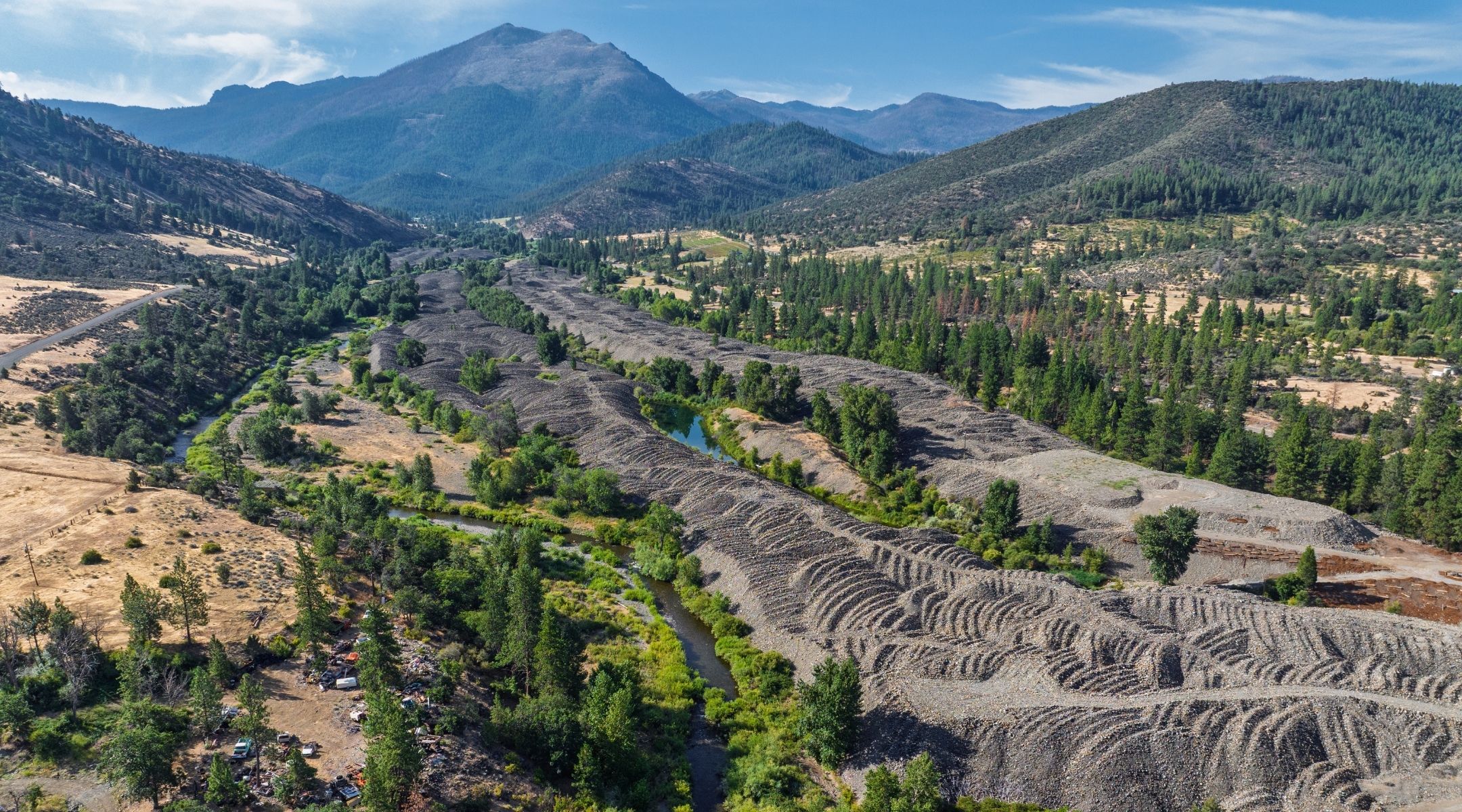
- Remove the four lower Klamath dams to restore access to nearly 480 km (300 mi.) of historical habitat and undertake large-scale restoration. (dam removal complete)
- Use a hatchery and genetics management plan to reduce negative impacts of hatchery steelhead on remaining wild fish and protect life history and genetic diversity.
- Preserve relatively unaltered habitats, such as Blue Creek in the Klamath River Basin.
- Implement the California Coastal Salmonid Monitoring Plan to fill critical data gaps.
- Work with private and public partners to increase streamflows and reduce diversions in the Klamath Basin, especially in the Shasta and Scott rivers.
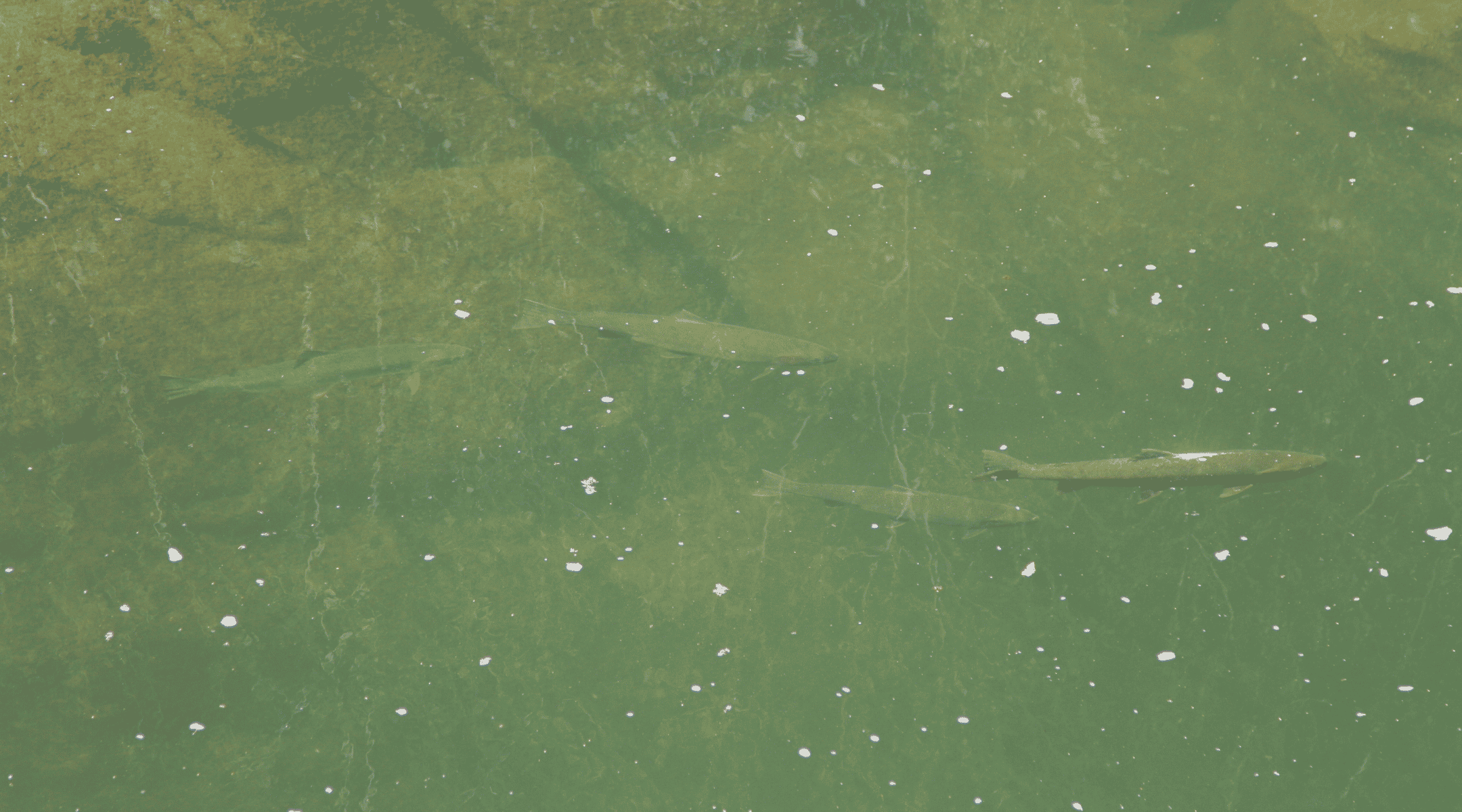
Where to find Klamath Mountains Province Winter Steelhead
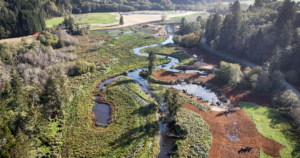
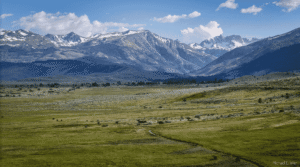
The KMP winter steelhead range includes all coastal rivers and creeks throughout the Klamath-Trinity rivers basin north to the Elk River near Port Orford, Oregon. In the Klamath River, they historically ascended all major rivers and tributaries, and likely spawned in tributaries to Upper Klamath lake before the passage was blocked by a chain of dams. in the Trinity River, steelhead historically utilized each of the North, South, East, and Stuart forks of the river until Lewiston Dam blocked upstream access to much of this historical habitat.
How This Species Scored
From Caltrout’s SOS II Report
| METRIC | SCORE | JUSTIFICATION |
|---|---|---|
| Area occupied | 4 | Winter steelhead found throughout KMP watersheds; dams block access to large portion of upstream spawning and rearing habitat. |
| Estimated adult abundance | 3 | KMP winter steelhead abundance is relatively unknown, but is probably less than 50,000 fish/year including Smith River run. |
| Intervention dependence | 3 | Frequent management actions needed for habitat restoration and protection to prevent continuation of long-term decline. Klamath dam removal and restoration is likely to improve this score. |
| Environmental tolerance | 4 | Steelhead are very adaptable and winter fish return during a time when flows are highest and temperatures lowest. |
| Genetic risk | 3 | Presumably genetically diverse; however, hybridization risk with hatchery steelhead is a considerable threat. |
| Climate change | 3 | All KMP watersheds are projected to see seasonal water temperatures and flows change. |
| Anthropogenic threats | 1 | 9 Medium factors. |
| Average | 3.0 | LEVEL OF CONCERN: MODERATE |
CALTROUT IN ACTION
Explore projects affecting the
Klamath Mountains Province Winter Steelhead
Native Salmonids
Explore California’s native fish.
From steelhead to coastal cutthroat, California’s native fish are essential to healthy rivers and thriving ecosystems.
-
Bull Trout
-
California Coastal Chinook Salmon
-
California Golden Trout
-
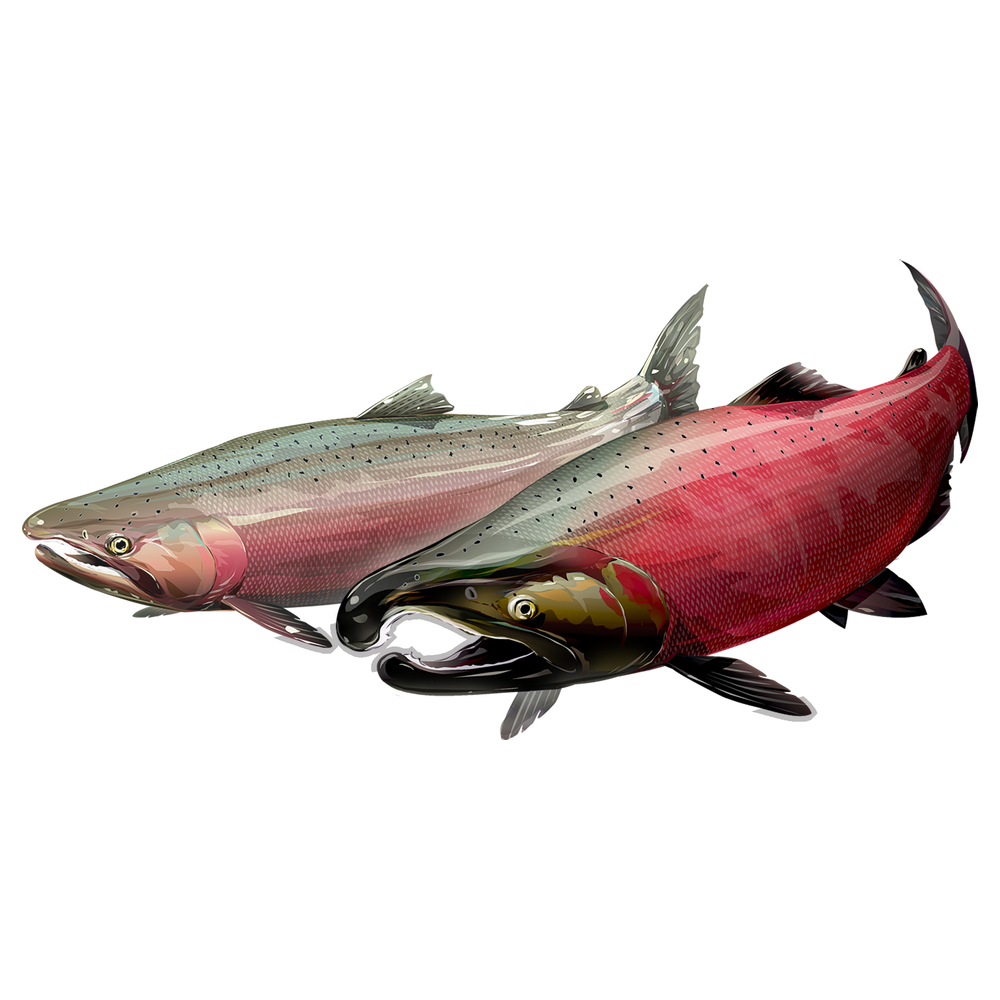
Central California Coast Coho Salmon
-
Central California Coast Steelhead
-
Central Valley Fall-Run Chinook Salmon
-
Central Valley Late Fall-Run Chinook Salmon
-
Central Valley Spring-Run Chinook Salmon
-
Central Valley Steelhead
-
Chinook Salmon
-
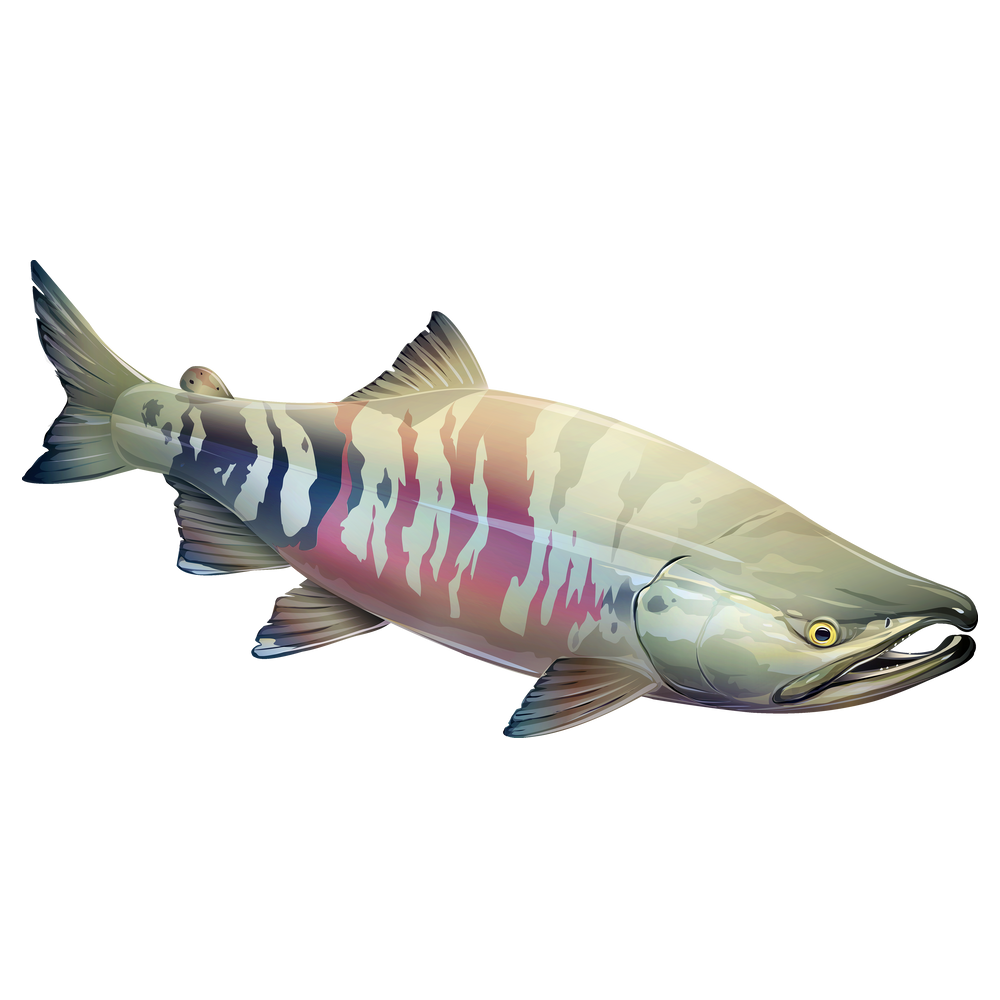
Chum Salmon
-
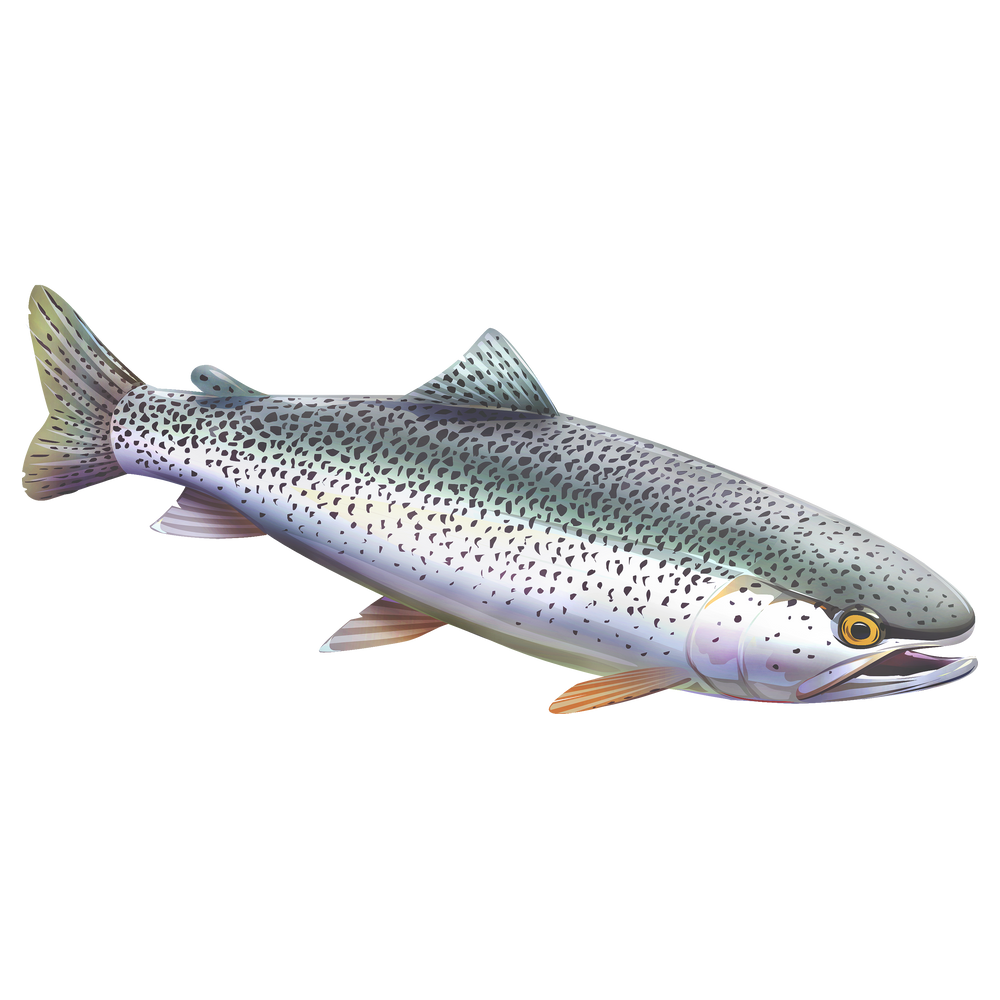
Coastal Cutthroat Trout
-
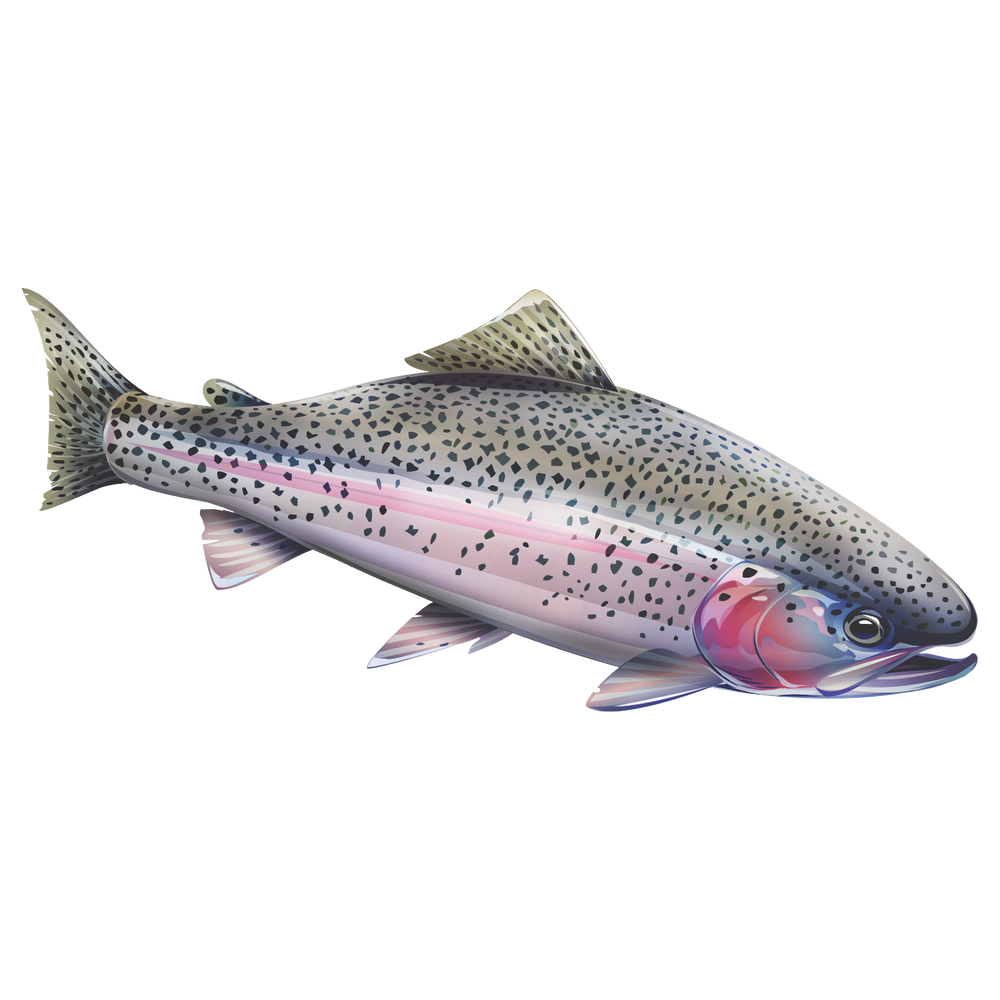
Coastal Rainbow Trout
-
Coho Salmon
-
Eagle Lake Rainbow Trout
-
Goose Lake Redband Trout
-
Kern River Rainbow Trout
-
Klamath Mountains Province Summer Steelhead
-
Klamath Mountains Province Winter Steelhead
-
Lahontan Cutthroat Trout
-
Little Kern Golden Trout
-
McCloud River Redband Trout
-
Northern California Summer Steelhead
-
Northern California Winter Steelhead
-
Paiute Cutthroat Trout
-
Pink Salmon
-
Sacramento River Winter-Run Chinook Salmon
-
South-Central California Coast Steelhead
-
Southern Oregon/Northern California Coast Chinook Salmon
SUPPORT CalTrout
The only statewide assessment of California’s native salmon, steelhead, and trout.
CalTrout, in collaboration with academic partners, has produced two once-a-decade State of the Salmonids reports — comprehensive scientific assessments of all 32 native salmon, steelhead, and trout species in California. The third report is currently set to release in 2027.