

SCORE
1.9
CRITICAL
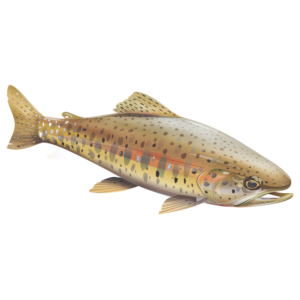
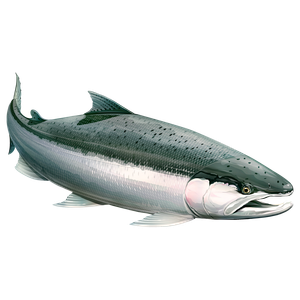
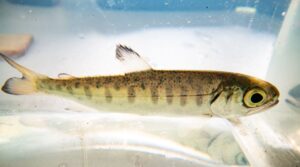
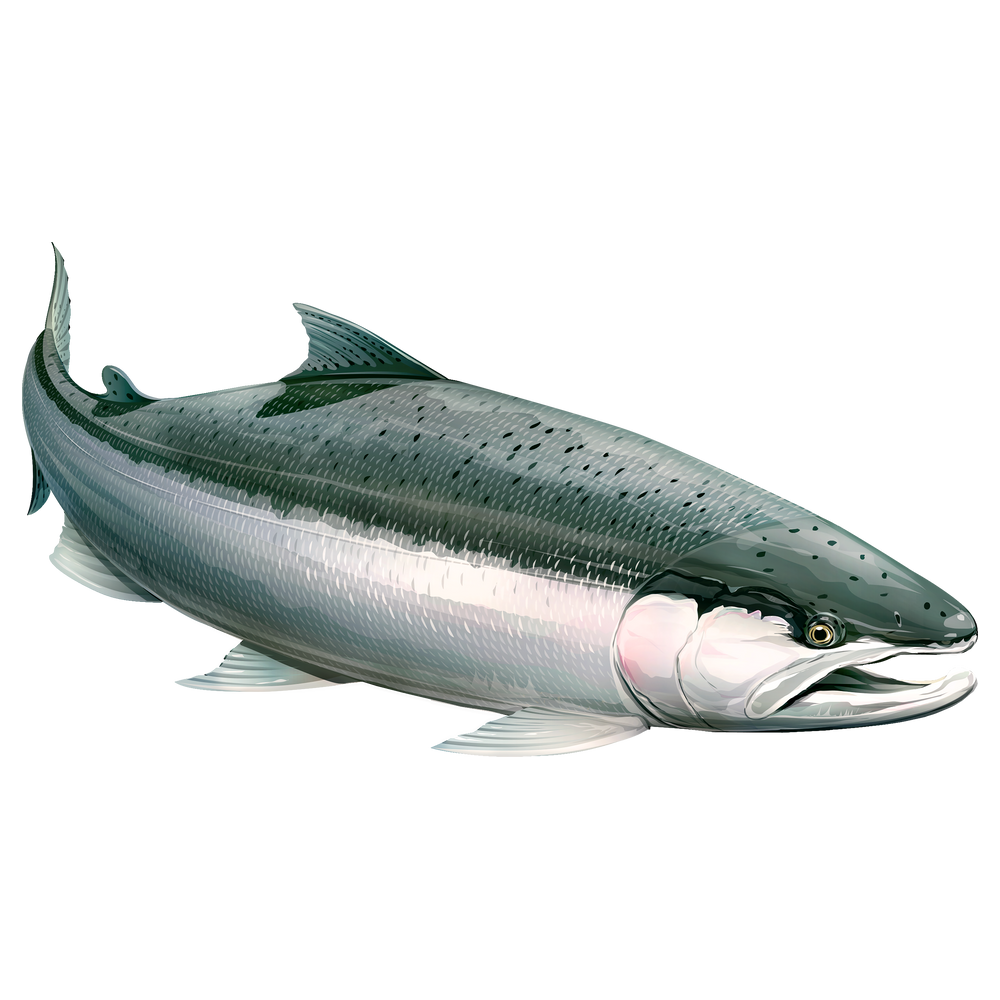
Northern California Summer Steelhead
Oncorhynchus mykiss irideus
Species ranges
Related projects
At a Glance
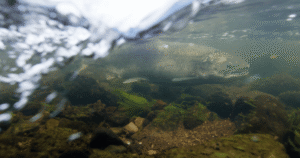
Northern California (NC) summer steelhead are in long-term decline and this trend will continue without substantial human intervention on a broad scale. They are vulnerable to extinction by 2050 due to their reliance on cold water during the warmest months and are critically susceptible to climate change.
Species characteristics
Conservation Actions
Conservation Strategy
- Implement the 2016 Eel River Action Plan with the Eel River Forum partners, which remains the best option for increasing NC summer steelhead runs.
- Integrate statewide coastal salmonid monitoring programs and Habitat Conservation Plans of large private landowners with other restoration activities.
- Work with stakeholders to expand best management practices for land uses that allow water to remain in streams, especially during critical summer months.
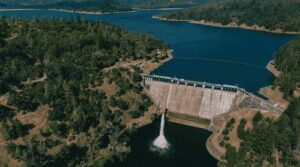
- Evaluate the potential for changes to operations of the Eel River dams as part of the Potter Valley Project on the upper mainstem Eel River.
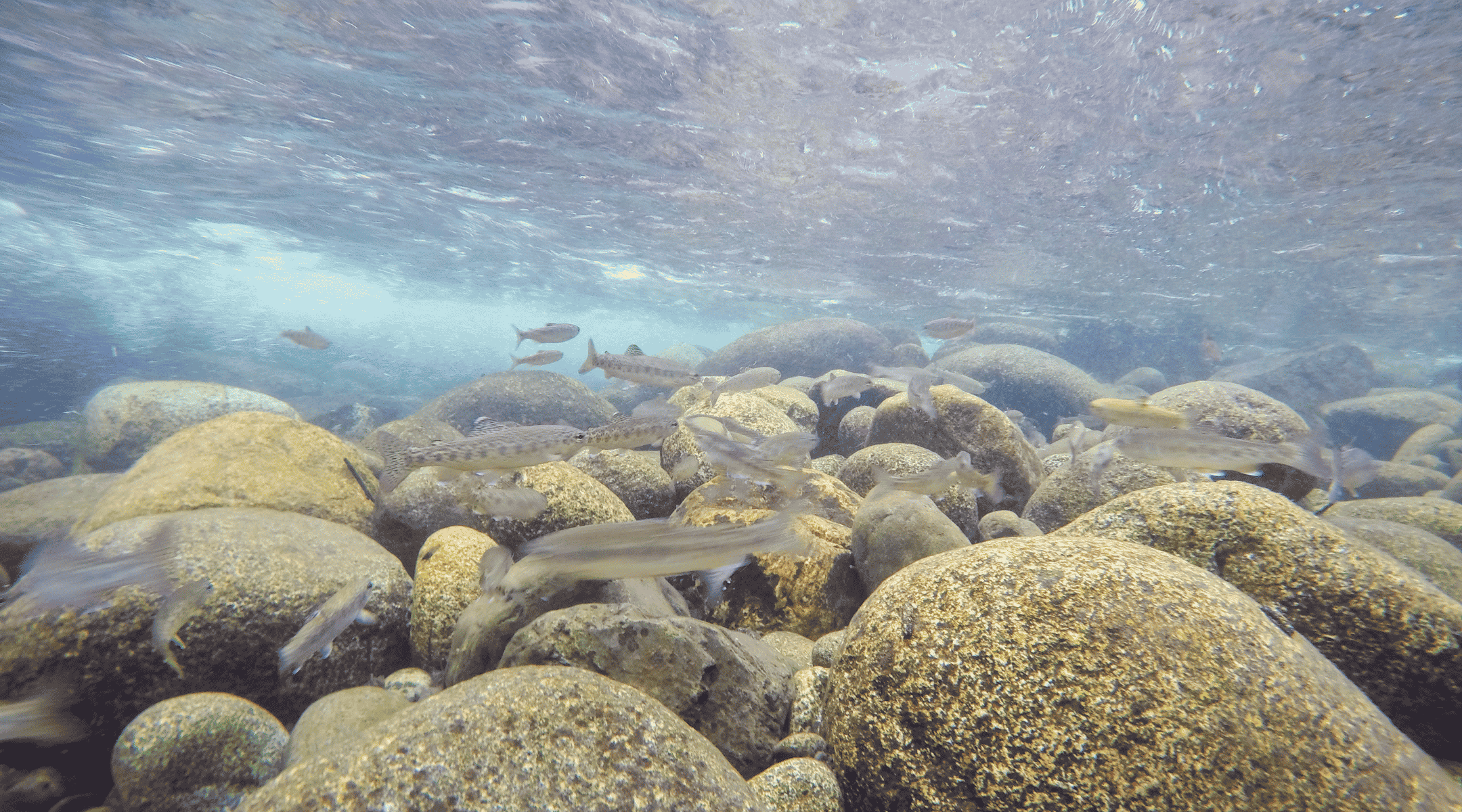
Where to find Northern California Summer Steelhead
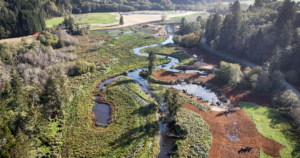
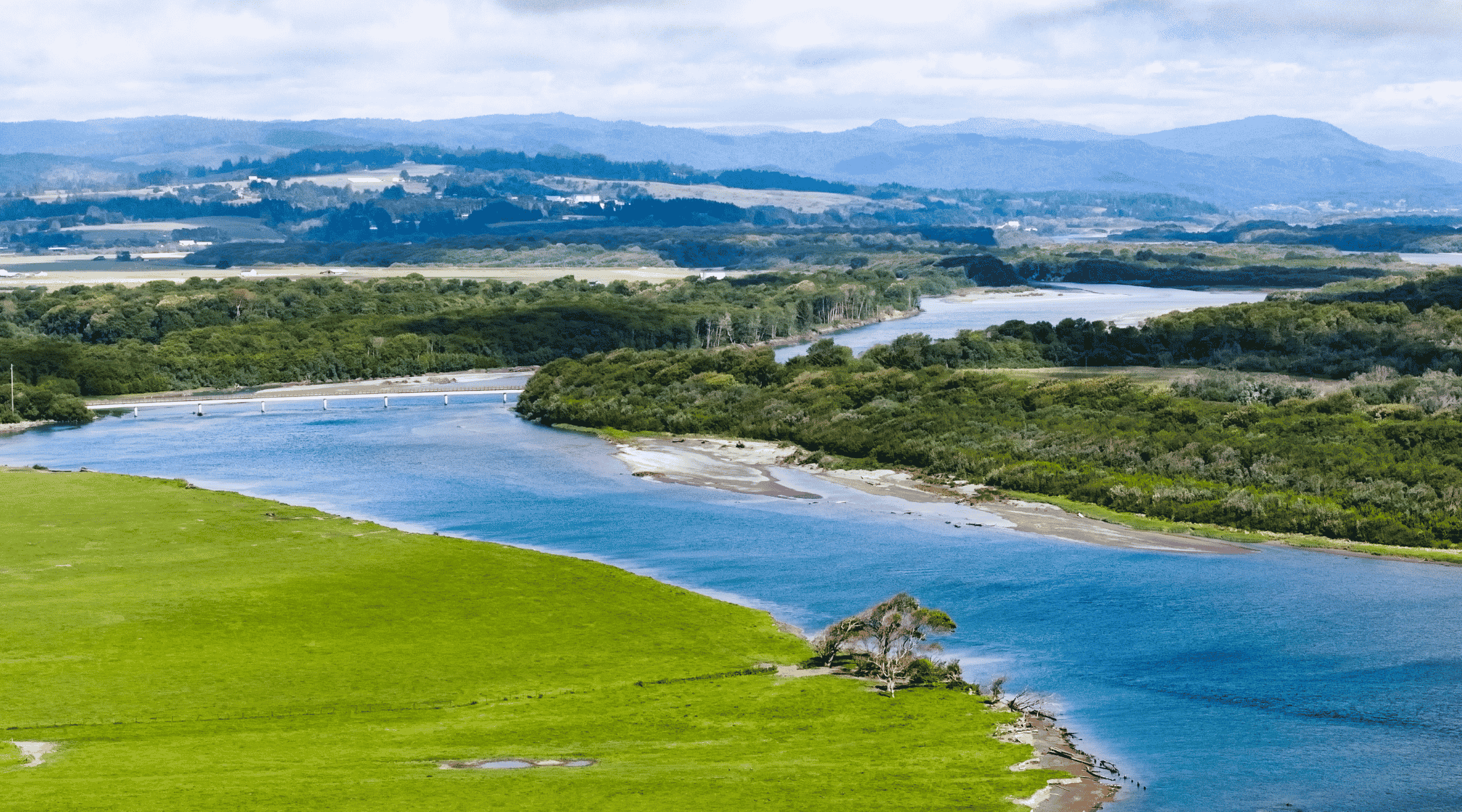
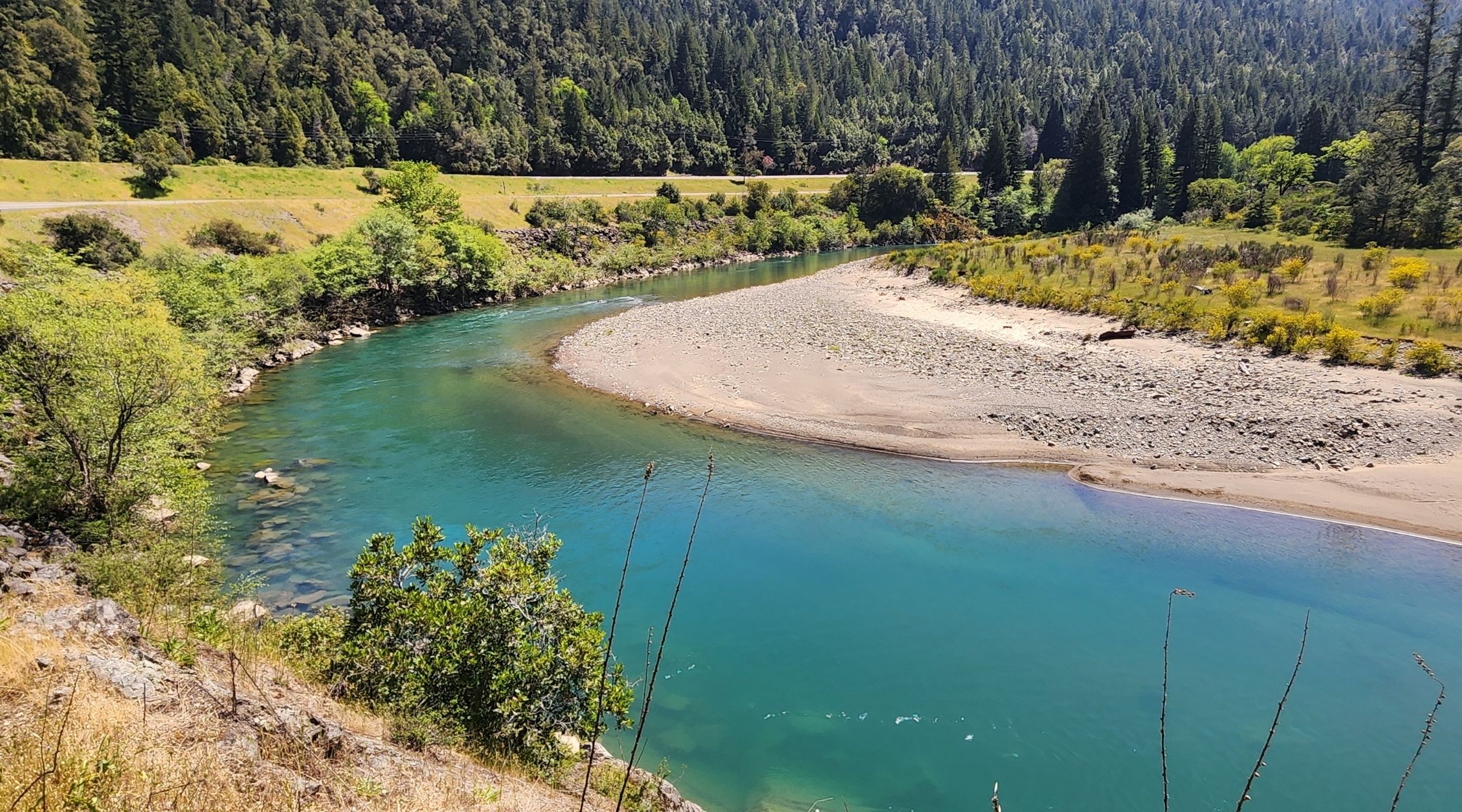
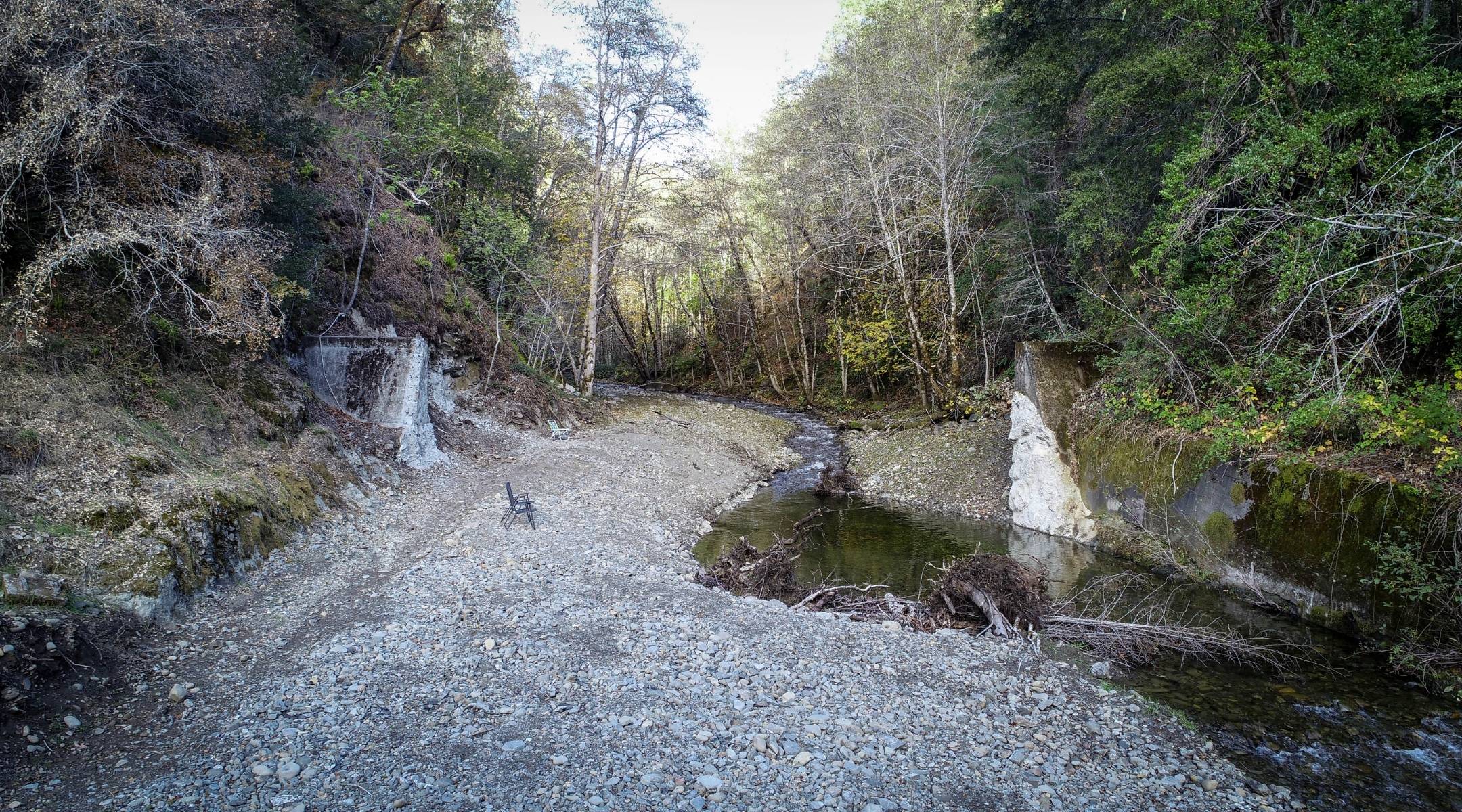
Historically, NC summer steelhead ranged from Redwood Creek (Humboldt County) in the north to the Mattole River (Mendocino County) in the south. Today, only a few select watersheds still support summer steelhead, including Redwood Creek and the Mad, Eel, and Mattole rivers. They can be found in the mainstem, upper mainstem, North, Middle, and South forks of the Eel River.
How This Species Scored
From Caltrout’s SOS II Report
| METRIC | SCORE | JUSTIFICATION |
|---|---|---|
| Area occupied | 2 | Much diminished from historical distribution. |
| Estimated adult abundance | 2 | Likely fewer than 1,000 adults across the DPS in a given year. |
| Intervention dependence | 3 | Require continuous monitoring and significant improvement of habitat and accessibility for recovery. |
| Environmental tolerance | 2 | Adults require coldwater refuges and pool habitat with cover that is free from human intervention. |
| Genetic risk | 2 | Spatial and temporal segregation between summer and winter fish make this life history susceptible to extinction. |
| Climate change | 1 | Highly vulnerable; temperatures and flows already marginal in many areas and summer steelhead require cold water in the warmest months to survive to spawn. |
| Anthropogenic threats | 1 | 3 High and 5 Medium threats. Sufficient flows and temperatures are rapidly disappearing in the DPS. |
| Average | 1.9 | LEVEL OF CONCERN: CRITICAL |
CALTROUT IN ACTION
Explore projects affecting the
Northern California Summer Steelhead
Native Salmonids
Explore California’s native fish.
From steelhead to coastal cutthroat, California’s native fish are essential to healthy rivers and thriving ecosystems.
-
Bull Trout
-
California Coastal Chinook Salmon
-
California Golden Trout
-
Central California Coast Coho Salmon
-
Central California Coast Steelhead
-
Central Valley Fall-Run Chinook Salmon
-
Central Valley Late Fall-Run Chinook Salmon
-
Central Valley Spring-Run Chinook Salmon
-
Central Valley Steelhead
-
Chinook Salmon
-
Chum Salmon
-
Coastal Cutthroat Trout
-
Coastal Rainbow Trout
-
Coho Salmon
-
Eagle Lake Rainbow Trout
-
Goose Lake Redband Trout
-
Kern River Rainbow Trout
-
Klamath Mountains Province Summer Steelhead
-
Klamath Mountains Province Winter Steelhead
-
Lahontan Cutthroat Trout
-
Little Kern Golden Trout
-
McCloud River Redband Trout
-
Northern California Summer Steelhead
-
Northern California Winter Steelhead
-
Paiute Cutthroat Trout
-
Pink Salmon
-
Sacramento River Winter-Run Chinook Salmon
-
South-Central California Coast Steelhead
-
Southern Oregon/Northern California Coast Chinook Salmon
SUPPORT CalTrout
The only statewide assessment of California’s native salmon, steelhead, and trout.
CalTrout, in collaboration with academic partners, has produced two once-a-decade State of the Salmonids reports — comprehensive scientific assessments of all 32 native salmon, steelhead, and trout species in California. The third report is currently set to release in 2027.