SCORE
2.4
HIGH
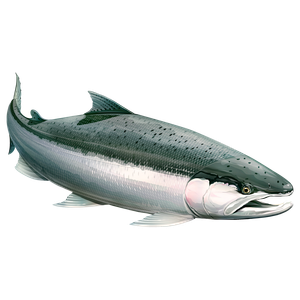
California Coastal Chinook Salmon
Oncorhynchus tshawytscha
Species ranges
Related projects
At a Glance
California Coastal Chinook salmon are vulnerable to extinction in the next 50-100 years if coastal stream conditions continue to deteriorate.
Species characteristics
Conservation Actions
Conservation Strategy
- Work with stakeholders to find a water sharing balance, which has been disrupted by Scott and Van Arsdale dams on the Eel River and Coyote Valley Dam on the Russian River, to recover CC Chinook.
- Mark all hatchery Chinook salmon in the ESU range and implement a Genetic Stock Identification program to determine the origins of harvested salmon.
- Implement an extensive monitoring program for the Eel River to evaluate restoration activities and adaptively assess salmonid recovery.
- Leverage partnerships with public and private landowners, law enforcement, legal precedent, and voluntary efforts to reduce illegal water diversions and secure streamflows for all salmonids.
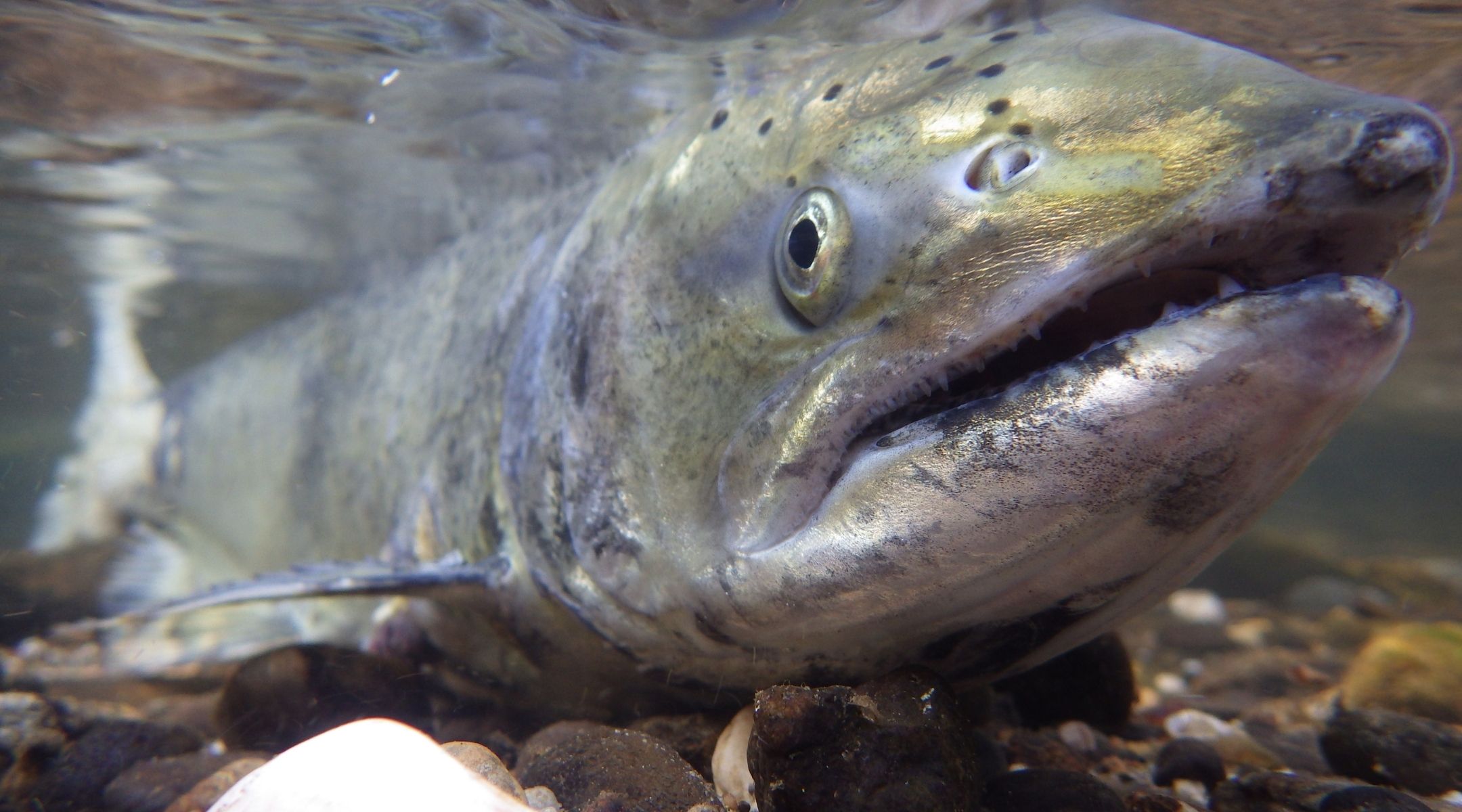
Where to find California Coast Chinook Salmon
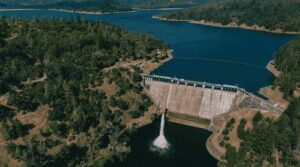
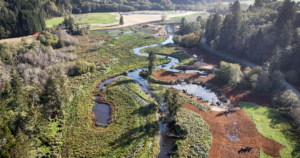
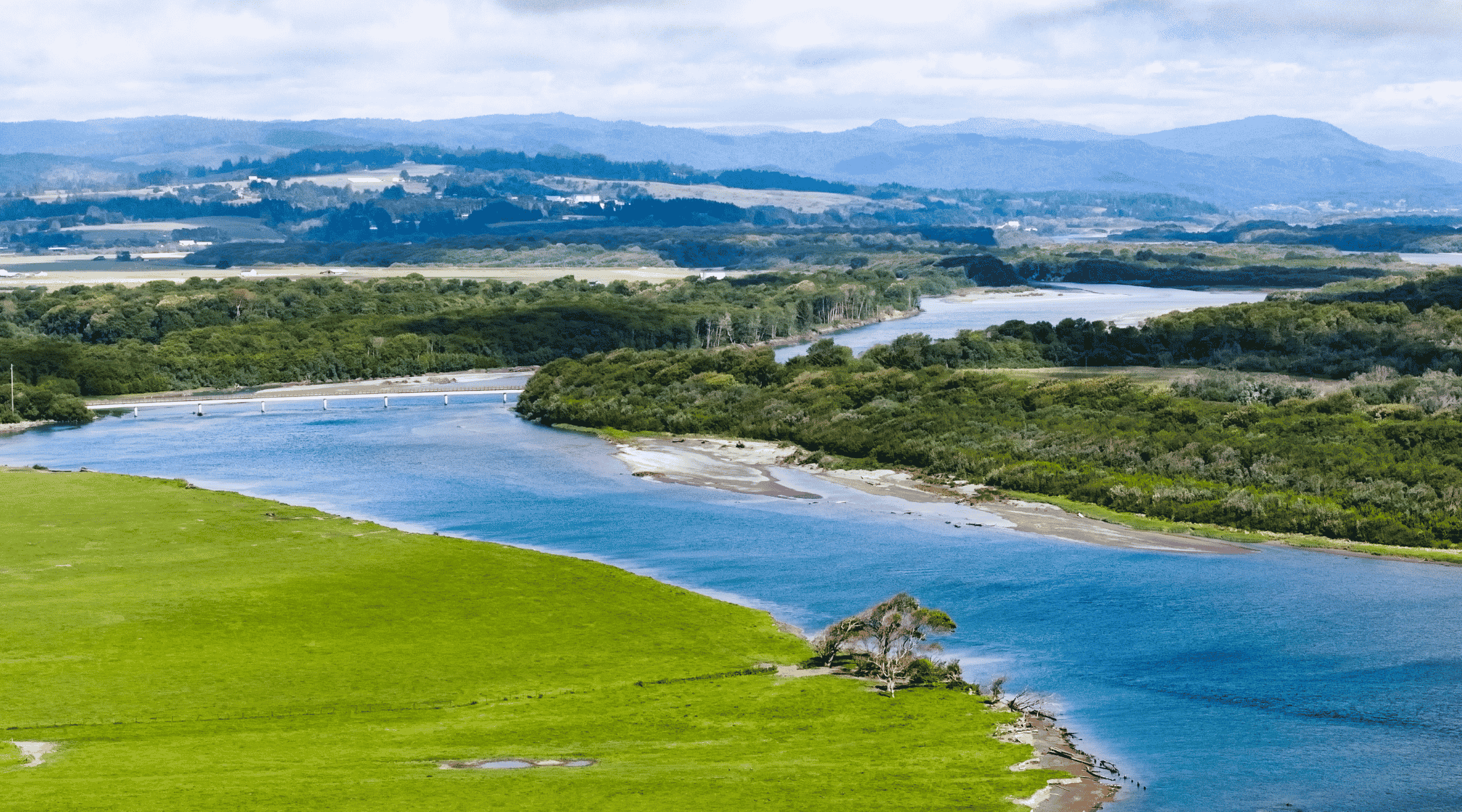
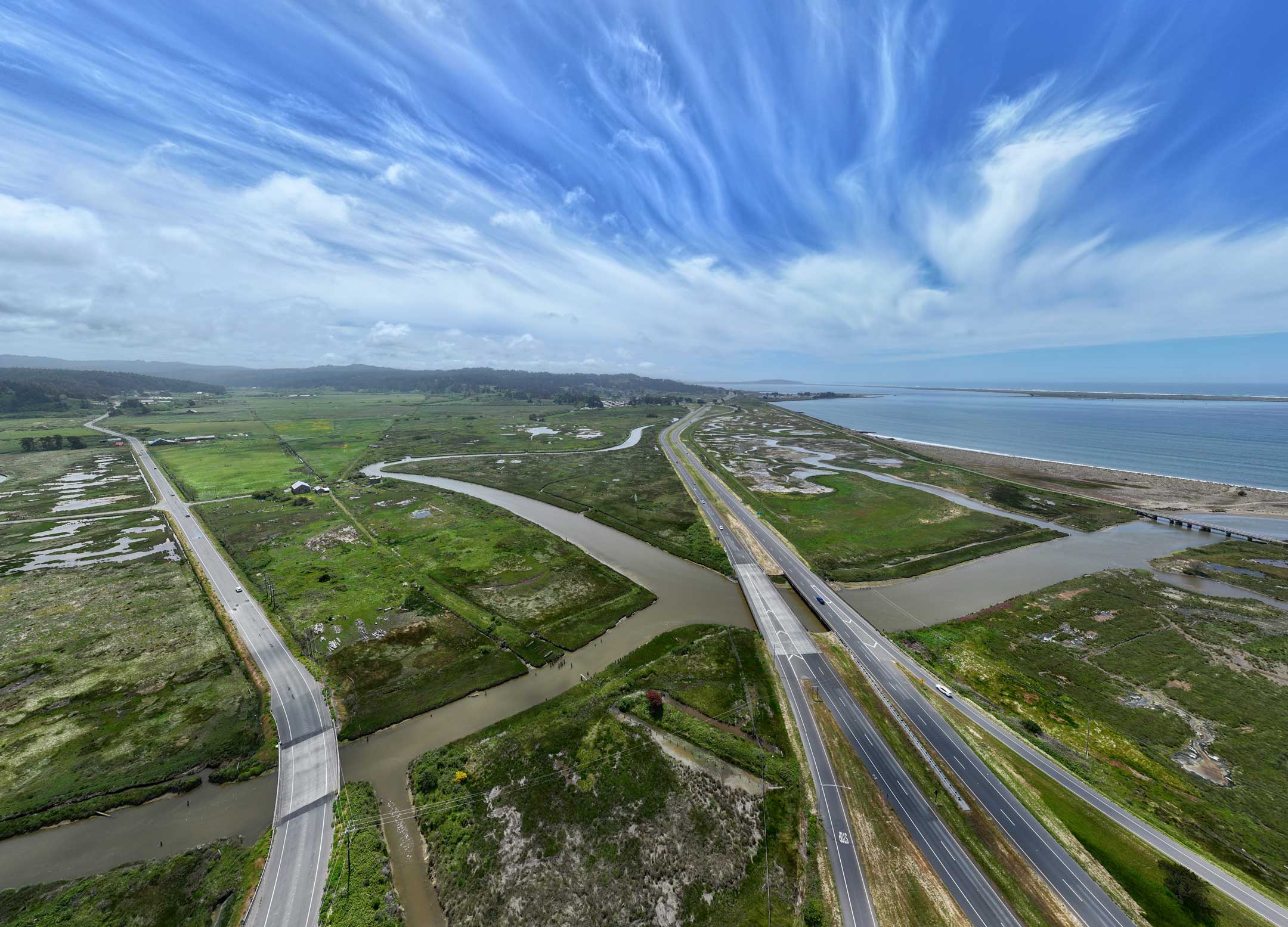
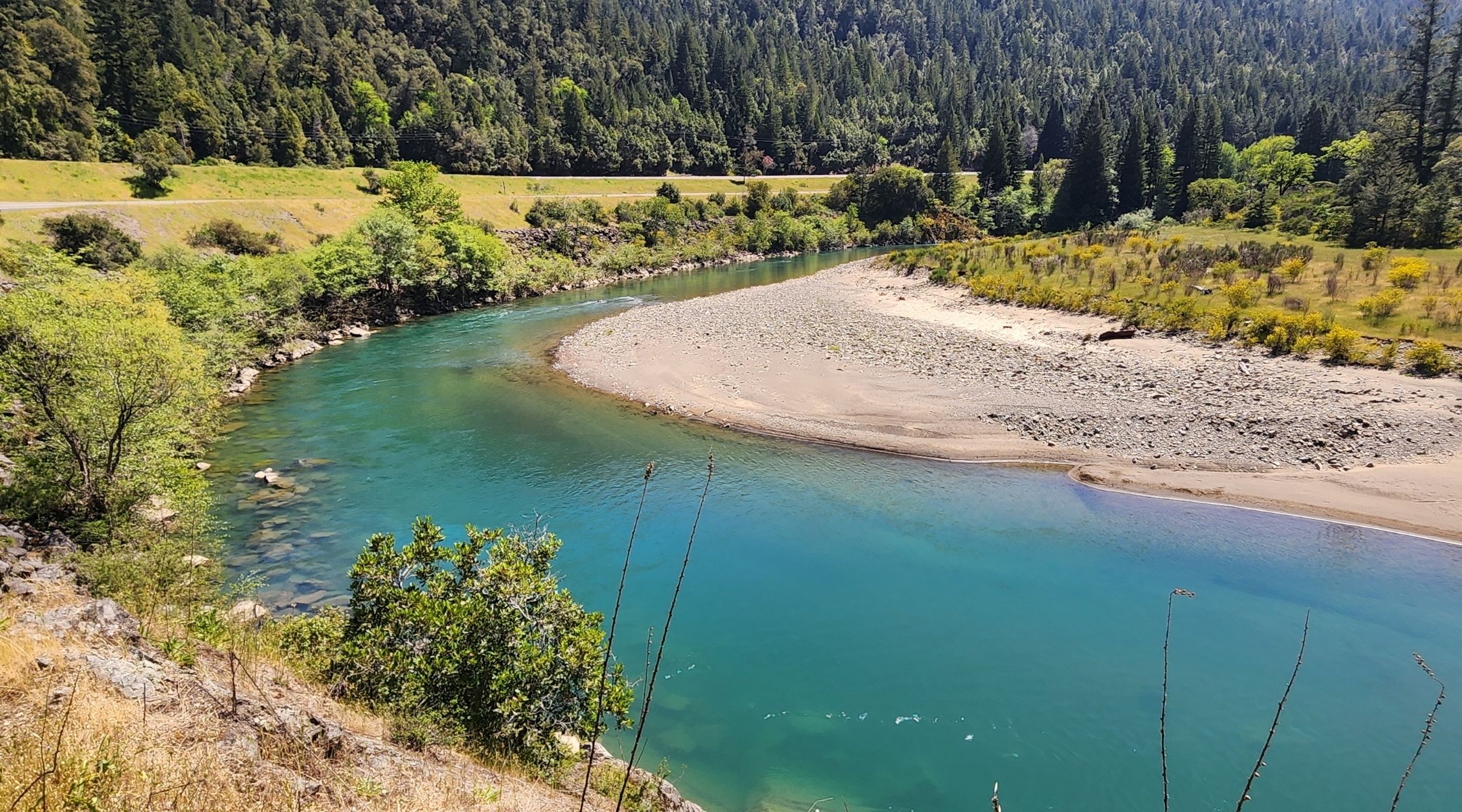
The CC Chinook ESU includes salmon that spawn in coastal watersheds from Redwood Creek (Humboldt County) to the Russian River (Sonoma County). In general, small coastal streams within this range can support CC Chinook salmon as long as they have open estuaries during peak migration times (fall through spring). In the Eel River watershed, CC Chinook salmon could historically access habitat up to natural boulder roughs on the upper mainstem Eel River, but they are currently blocked from accessing this habitat by Scott Dam and Lake Pillsbury (Lake County).
How This Species Scored
From Caltrout’s SOS II Report
| METRIC | SCORE | JUSTIFICATION |
|---|---|---|
| Area occupied | 3 | CC Chinook salmon occupy 5 major watersheds. |
| Estimated adult abundance | 3 | All populations have less than 1,000 spawners in most years, but there is some mixing among populations; there have been recent increases in the Eel River population, but reliable data are lacking. |
| Intervention dependence | 3 | Long-term declines indicate intervention needed, especially in improved flows and habitat in the Russian and Eel rivers. |
| Environmental tolerance | 3 | Fall-run life history allows for moderate tolerance of environmental conditions encountered. |
| Genetic risk | 2 | Major watersheds may have distinct populations, all threatened by small size and similar genetic issues. The loss of spring-run life history was a major loss of diversity within the ESU. |
| Climate change | 2 | Likely to accelerate declines, especially in reservoir-dominated systems with reduced flows and altered channels. |
| Anthropogenic threats | 1 | 8 Medium threats. |
| Average | 2.4 | LEVEL OF CONCERN: HIGH |
CALTROUT IN ACTION
Explore projects affecting the
California Coastal Chinook Salmon
Native Salmonids
Explore California’s native fish.
From steelhead to coastal cutthroat, California’s native fish are essential to healthy rivers and thriving ecosystems.
-
Bull Trout
-
California Coastal Chinook Salmon
-
California Golden Trout
-
Central California Coast Coho Salmon
-
Central California Coast Steelhead
-
Central Valley Fall-Run Chinook Salmon
-
Central Valley Late Fall-Run Chinook Salmon
-
Central Valley Spring-Run Chinook Salmon
-
Central Valley Steelhead
-
Chinook Salmon
-
Chum Salmon
-
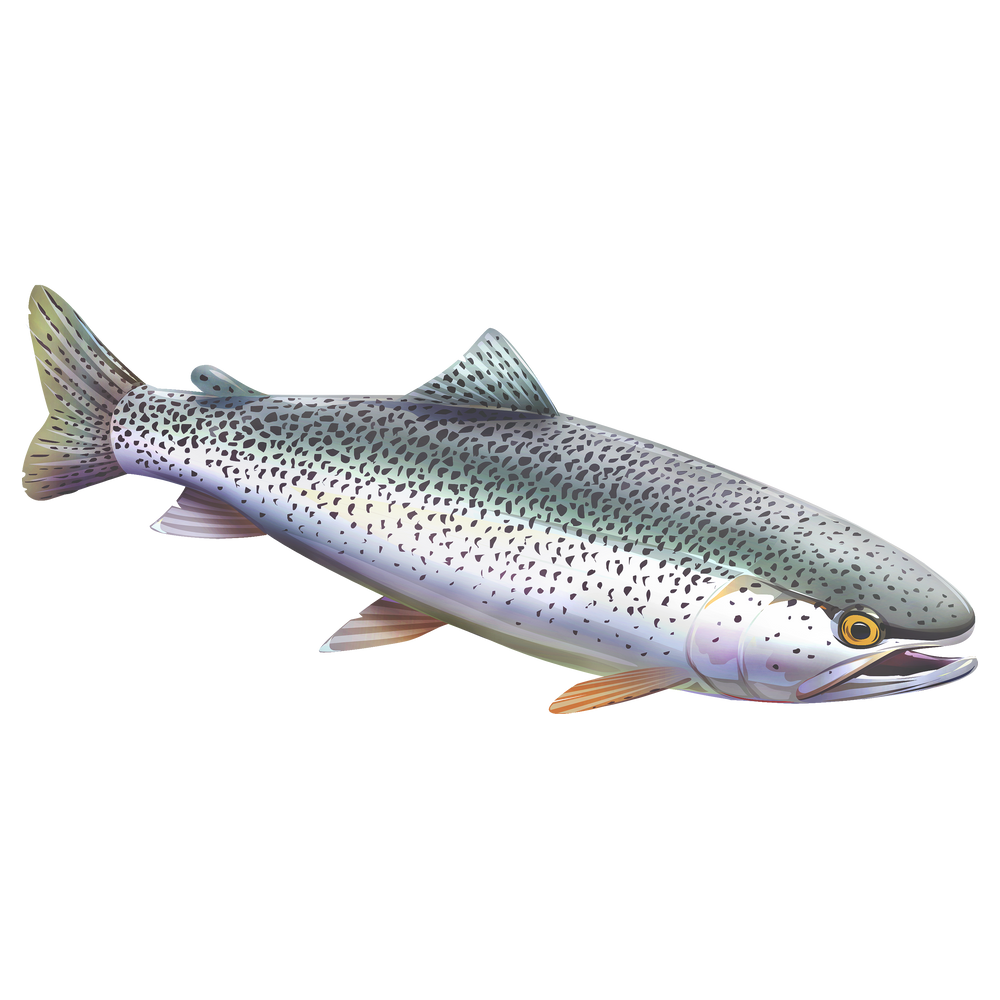
Coastal Cutthroat Trout
-
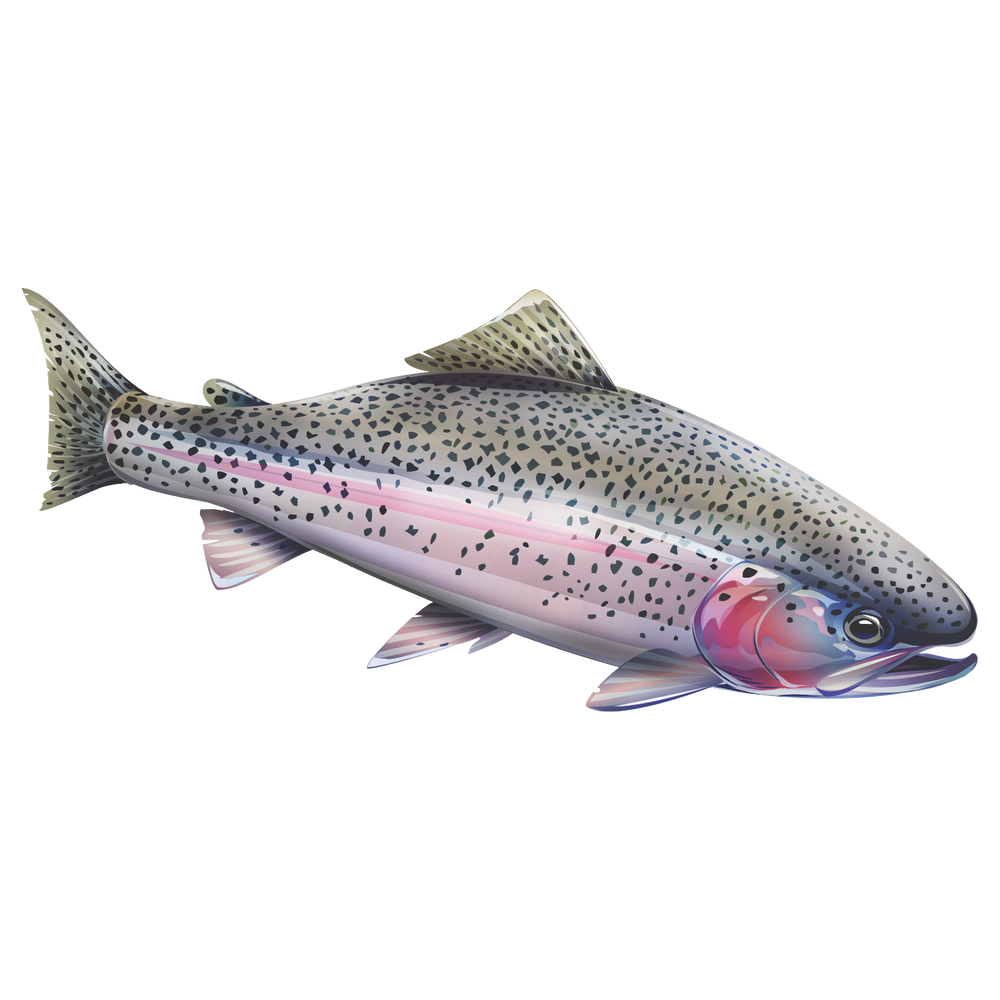
Coastal Rainbow Trout
-
Coho Salmon
-
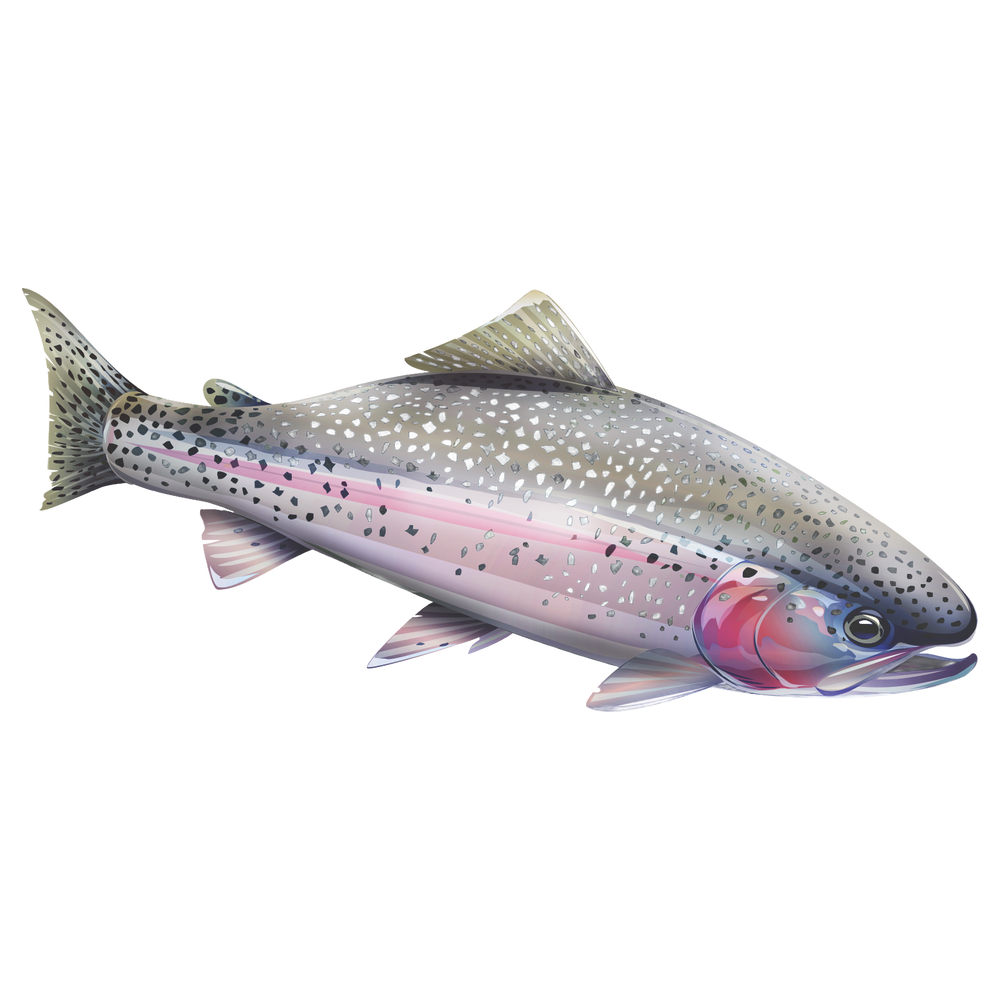
Eagle Lake Rainbow Trout
-
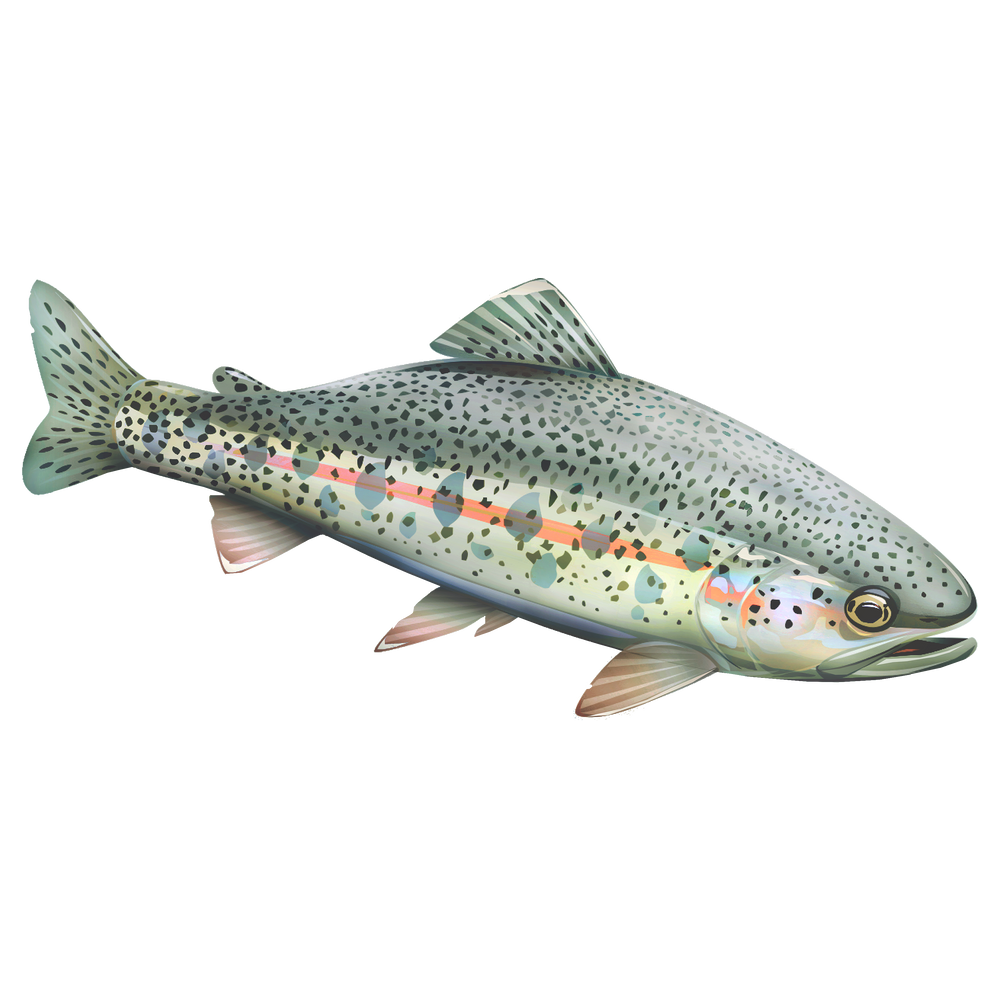
Goose Lake Redband Trout
-
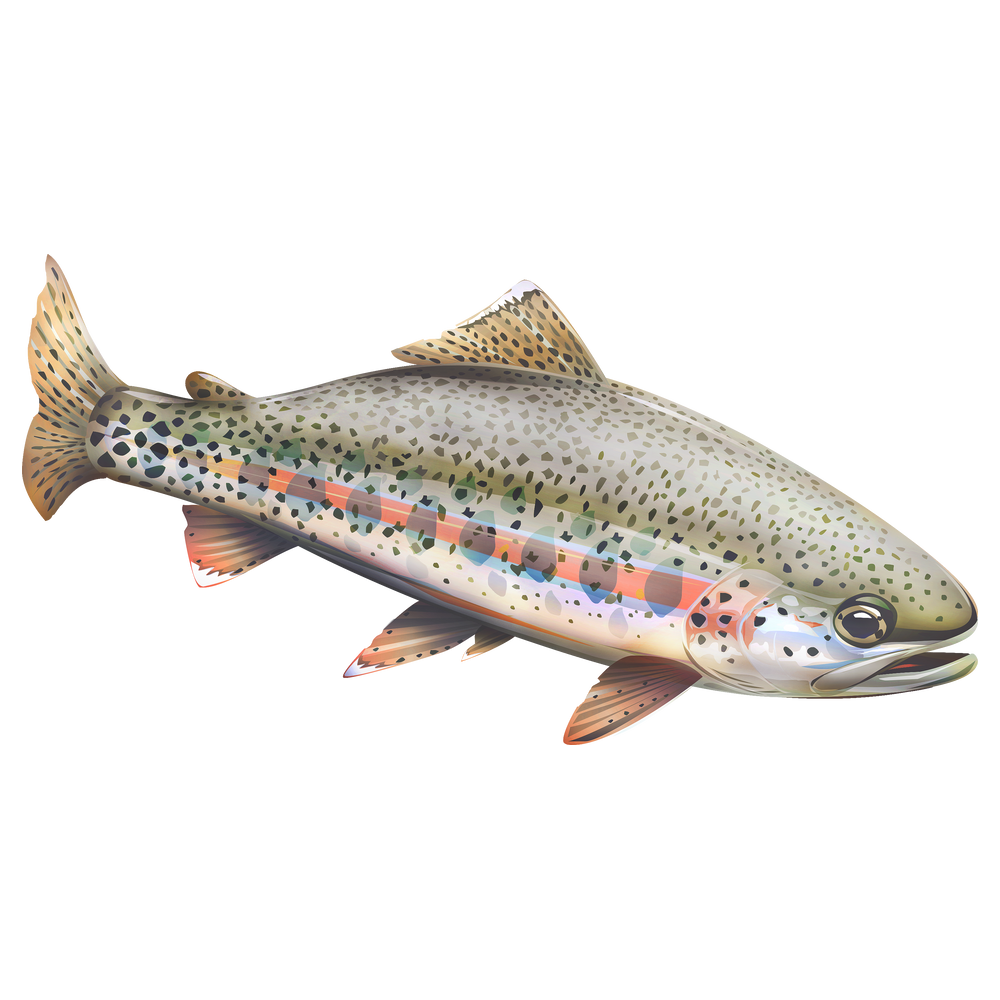
Kern River Rainbow Trout
-
Klamath Mountains Province Summer Steelhead
-
Klamath Mountains Province Winter Steelhead
-
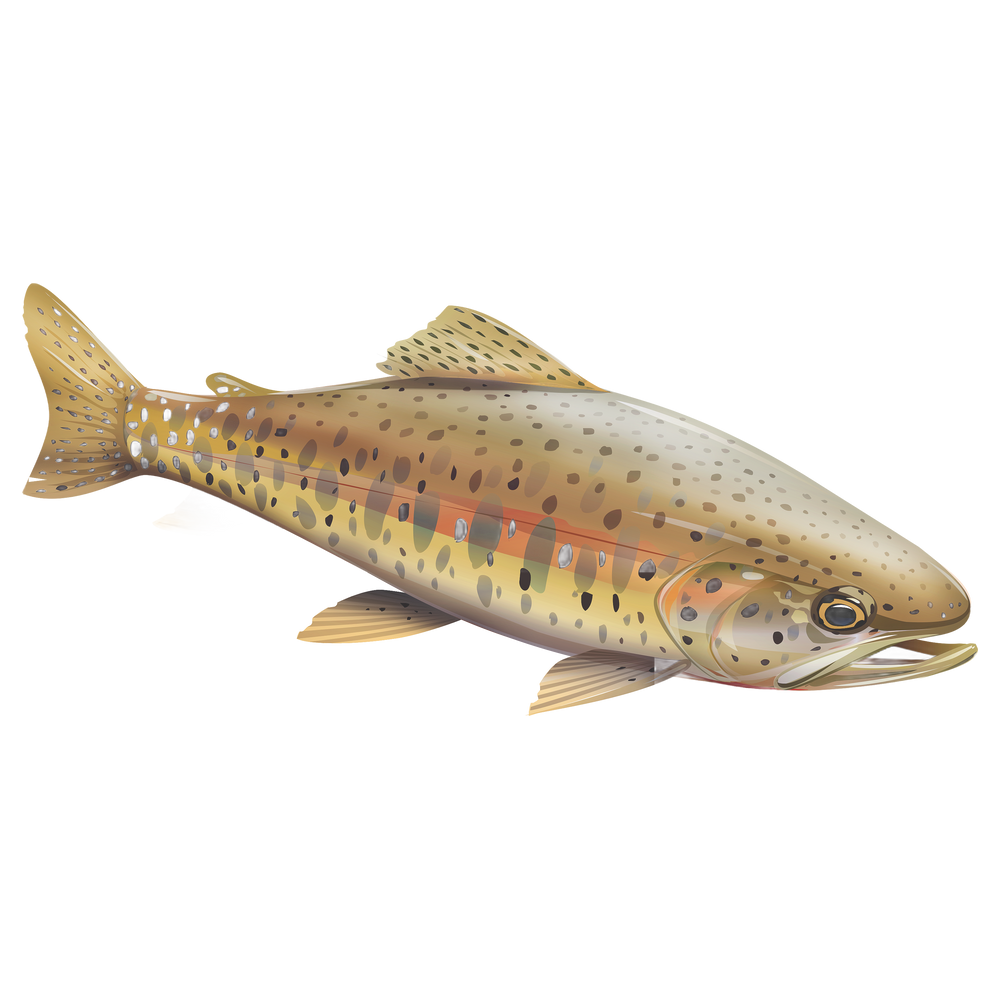
Lahontan Cutthroat Trout
-
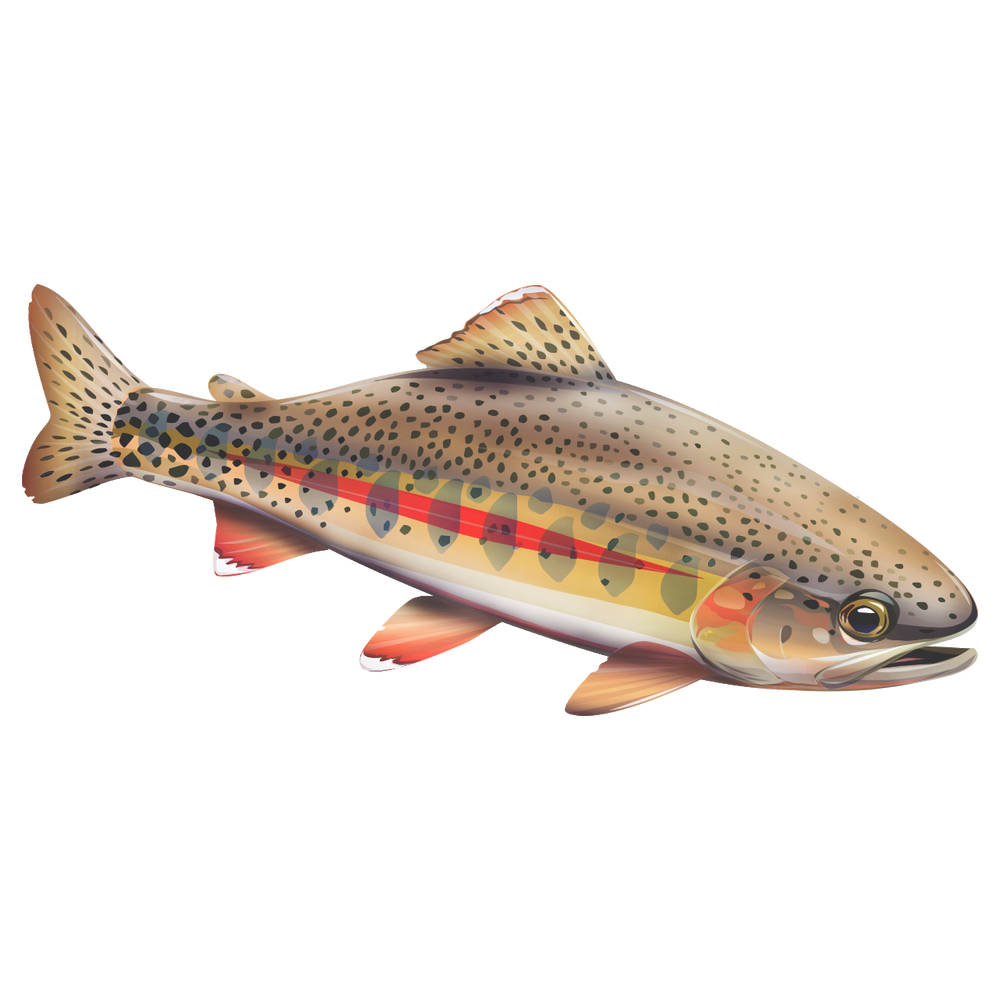
Little Kern Golden Trout
-
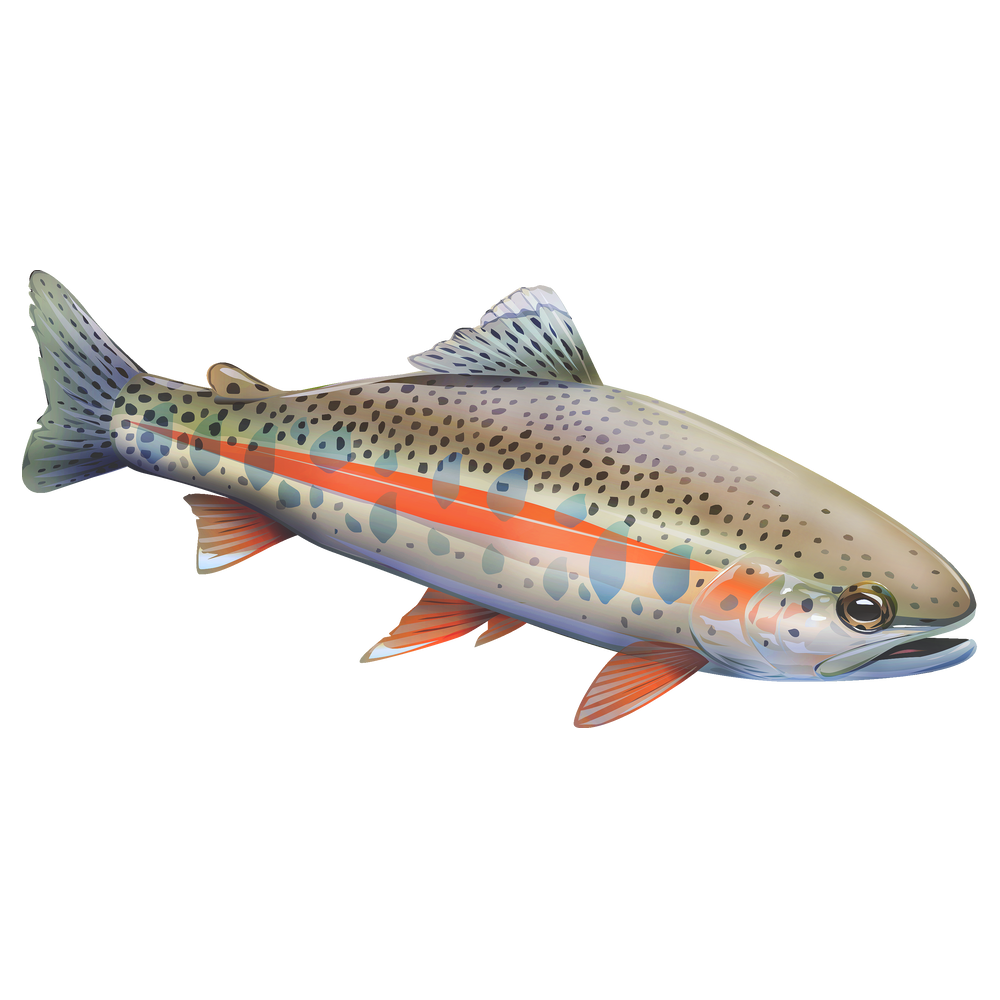
McCloud River Redband Trout
-
Northern California Summer Steelhead
-
Northern California Winter Steelhead
-
Paiute Cutthroat Trout
-
Pink Salmon
-
Sacramento River Winter-Run Chinook Salmon
-
South-Central California Coast Steelhead
-
Southern Oregon/Northern California Coast Chinook Salmon
SUPPORT CalTrout
The only statewide assessment of California’s native salmon, steelhead, and trout.
CalTrout, in collaboration with academic partners, has produced two once-a-decade State of the Salmonids reports — comprehensive scientific assessments of all 32 native salmon, steelhead, and trout species in California. The third report is currently set to release in 2027.