SCORE
2.1
HIGH
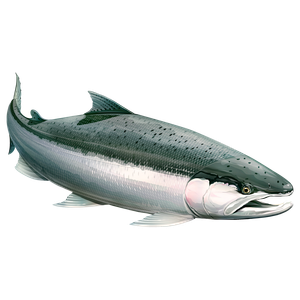
Central Valley Late Fall-Run Chinook Salmon
Oncorhynchus tshawytscha
Species ranges
Related projects
At a Glance
Central Valley (CV) late fall-run Chinook salmon are vulnerable to extinction in the next 50-100 years. They have been eliminated from the majority of their native spawning habitat and for the most part are now dependent upon cold water releases from reservoirs and gravel augmentation to maintain suitable habitat.
Species characteristics
Conservation Actions
Conservation Strategy
- Include late fall-run Chinook salmon in a comprehensive research and monitoring plan for the Central Valley, to fill data gaps in abundance, distribution, and spawning studies.
- Recognize late fall-run Chinook as an independent ESU for management purposes based on their unique run timing, genetics, and life histories.
- Enhance late fall-run Chinook populations in Battle Creek and the San Joaquin Basin to increase the geographic range, genetic diversity, and climate change resilience of the run.
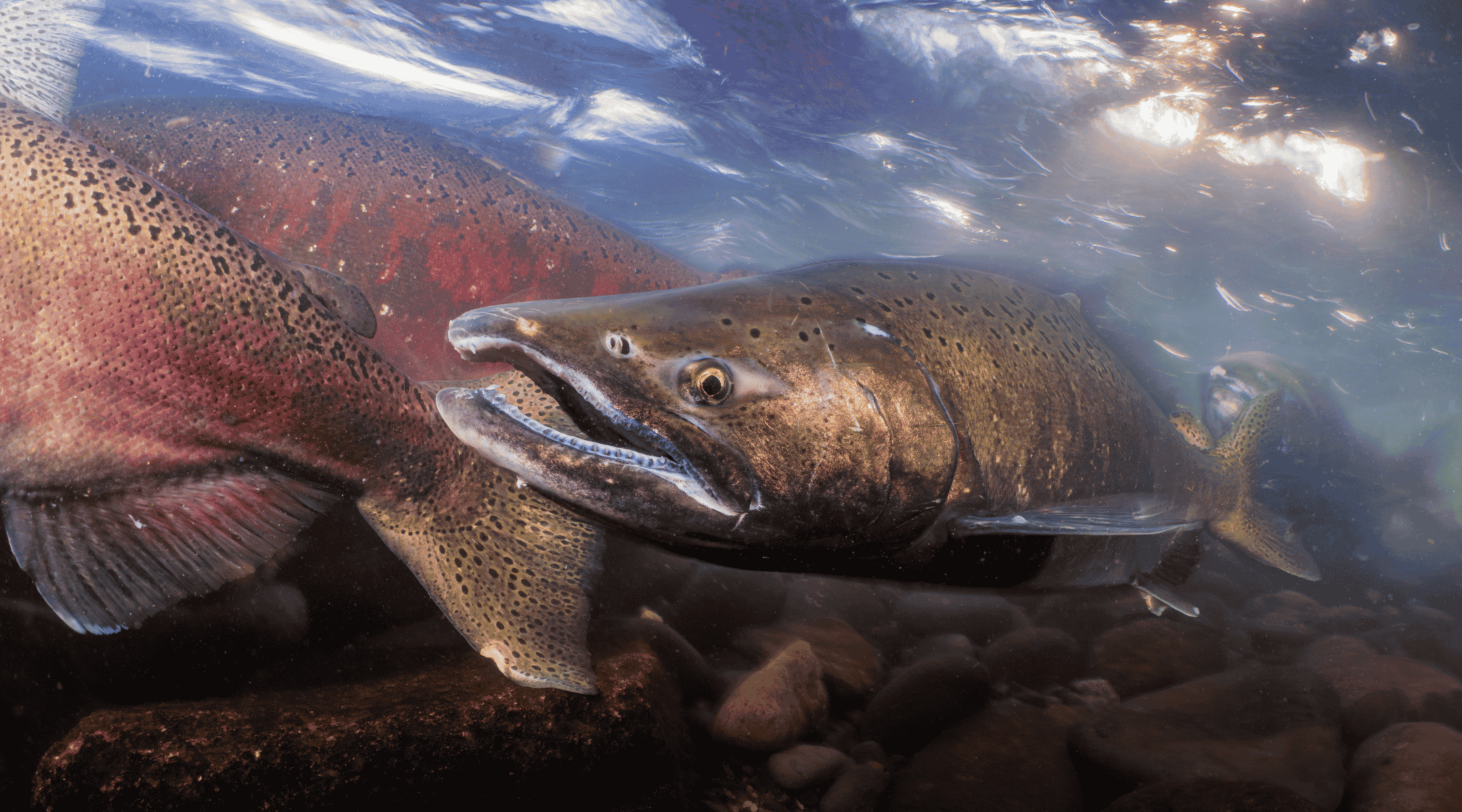
Where to find Central Valley Late Fall-run Chinook Salmon
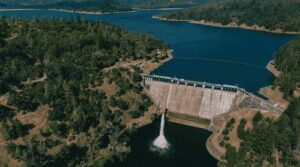
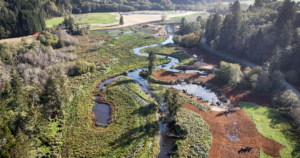
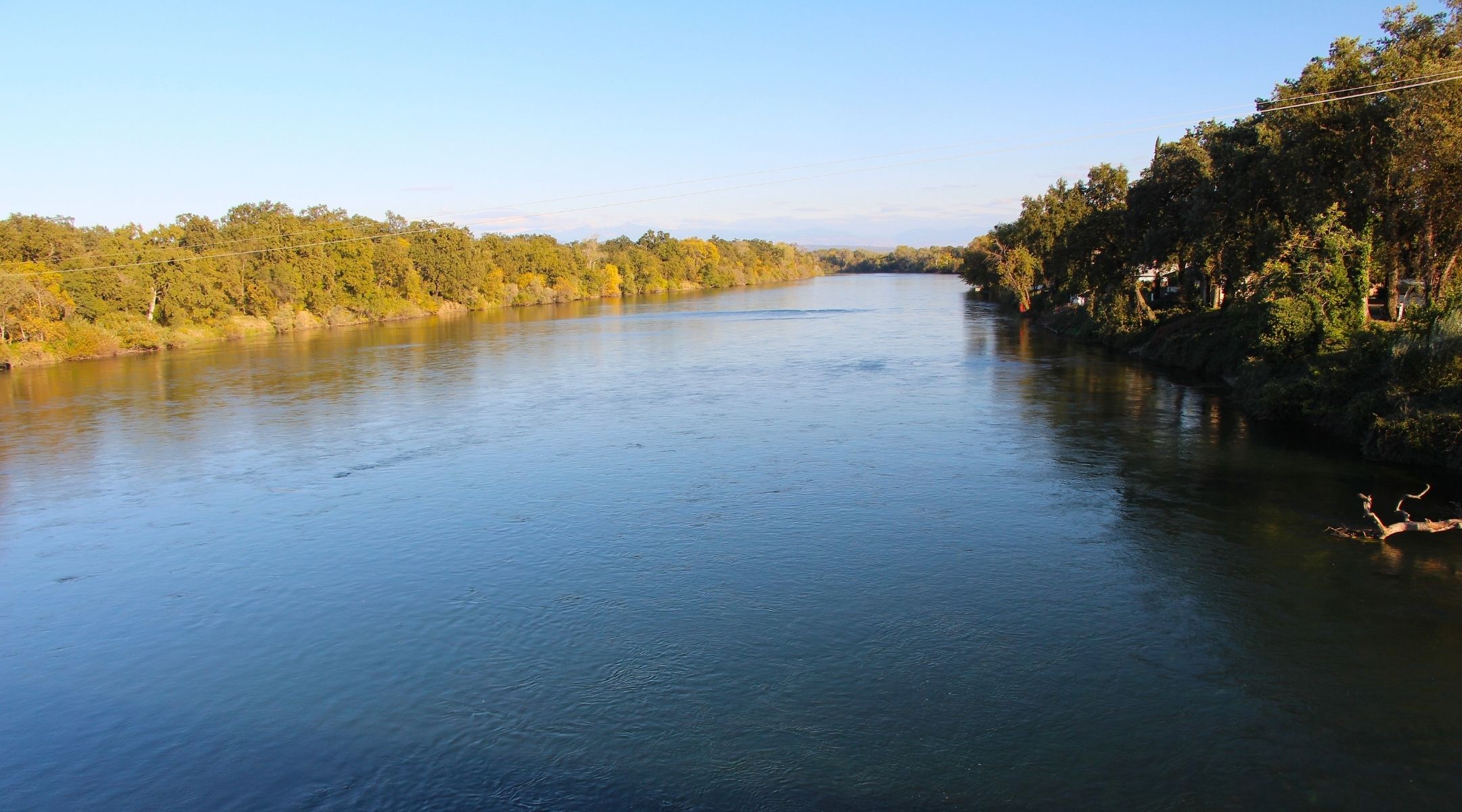
Central Valley late fall-run Chinook salmon most likely historically spawned in the upper Sacramento and McCloud rivers, which are now blocked by Shasta Dam, as well as in portions of major Sacramento and San Joaquin River tributaries with adequate cold water in summer. Today, most late fall-run Chinook spawn in the mainstem Sacramento River between Red Bluff Diversion Dam and Keswick Dam, and in Battle Creek (Tehama County).
How This Species Scored
From Caltrout’s SOS II Report
| METRIC | SCORE | JUSTIFICATION |
|---|---|---|
| Area occupied | 2 | Only one primary population concentrated in the upper Sacramento River; some tributary spawning and rearing. |
| Estimated adult abundance | 3 | Total escapement has averaged approximately 10,000 spawners in recent years, while contribution from Coleman National Fish Hatchery is low (-10%). |
| Intervention dependence | 2 | Primary population is dependent on Shasta Dam operation for flows and gravel injection for spawning habitat improvement. |
| Environmental tolerance | 3 | Moderate physiological tolerance, multiple age classes. |
| Genetic risk | 2 | Hybridization with other runs may occur as evidenced by significant mixing of in-river spawners of natural and hatchery-origin on Battle Creek and potential hybridization with fall-run Chinook. |
| Climate change | 1 | Extremely vulnerable due to dependence on cold water releases from Shasta Reservoir, snowpack, and spring-fed flows. |
| Anthropogenic threats | 2 | 2 High and 4 Medium threats. |
| Average | 2.1 | LEVEL OF CONCERN: HIGH |
CALTROUT IN ACTION
Explore projects affecting the
Central Valley Late Fall-Run Chinook Salmon
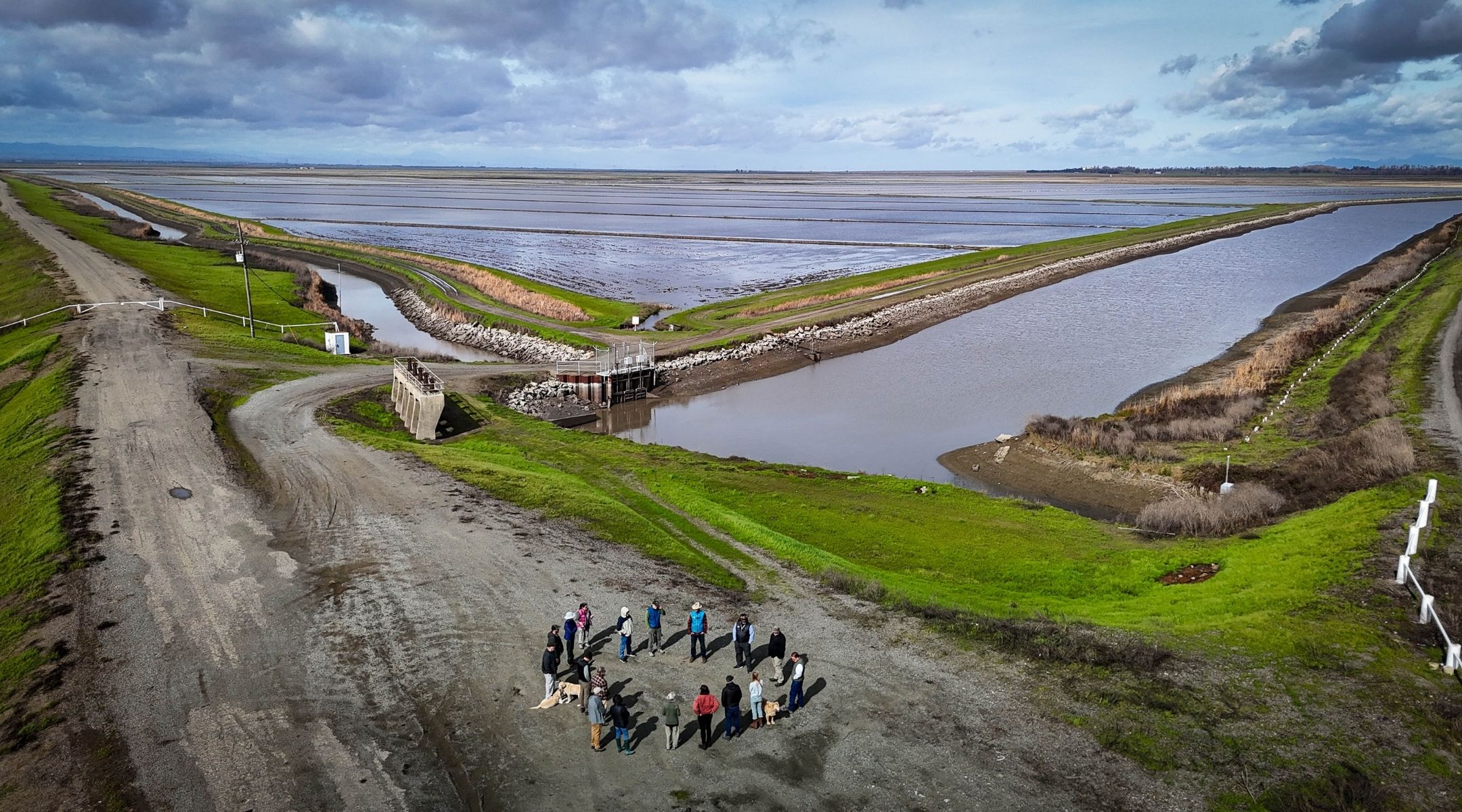
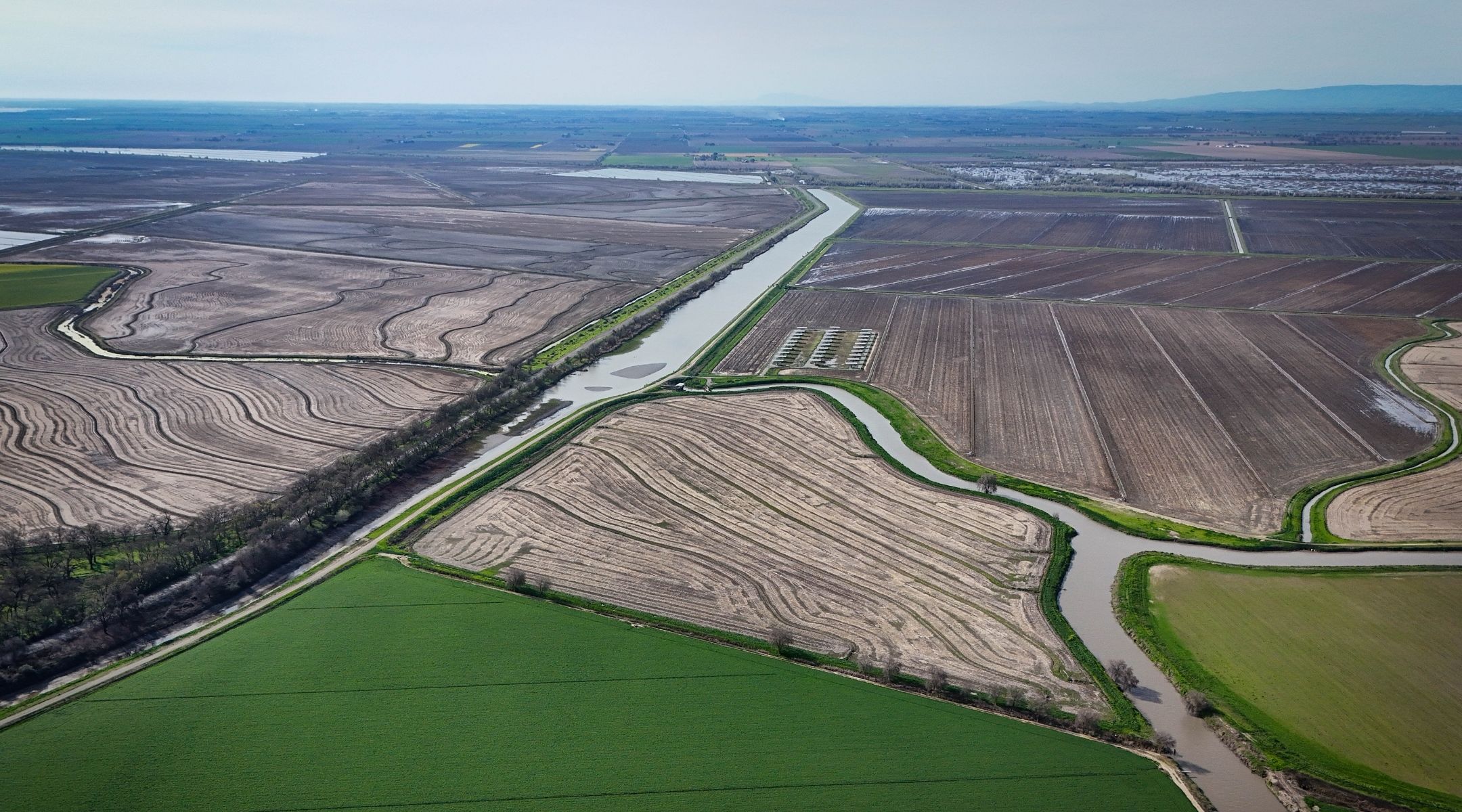
Native Salmonids
Explore California’s native fish.
From steelhead to coastal cutthroat, California’s native fish are essential to healthy rivers and thriving ecosystems.
-
Bull Trout
-
California Coastal Chinook Salmon
-
California Golden Trout
-
Central California Coast Coho Salmon
-
Central California Coast Steelhead
-
Central Valley Fall-Run Chinook Salmon
-
Central Valley Late Fall-Run Chinook Salmon
-
Central Valley Spring-Run Chinook Salmon
-
Central Valley Steelhead
-
Chinook Salmon
-
Chum Salmon
-
Coastal Cutthroat Trout
-
Coastal Rainbow Trout
-
Coho Salmon
-
Eagle Lake Rainbow Trout
-
Goose Lake Redband Trout
-
Kern River Rainbow Trout
-
Klamath Mountains Province Summer Steelhead
-
Klamath Mountains Province Winter Steelhead
-
Lahontan Cutthroat Trout
-
Little Kern Golden Trout
-
McCloud River Redband Trout
-
Northern California Summer Steelhead
-
Northern California Winter Steelhead
-
Paiute Cutthroat Trout
-
Pink Salmon
-
Sacramento River Winter-Run Chinook Salmon
-
South-Central California Coast Steelhead
-
Southern Oregon/Northern California Coast Chinook Salmon
SUPPORT CalTrout
The only statewide assessment of California’s native salmon, steelhead, and trout.
CalTrout, in collaboration with academic partners, has produced two once-a-decade State of the Salmonids reports — comprehensive scientific assessments of all 32 native salmon, steelhead, and trout species in California. The third report is currently set to release in 2027.