
SCORE
1.3
CRITICAL
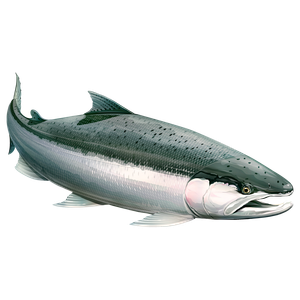
Sacramento River Winter-Run Chinook Salmon
Oncorhynchus tshawytscha
Species ranges
Related projects
At a Glance
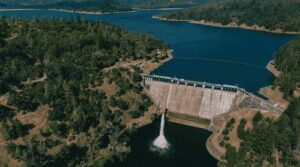
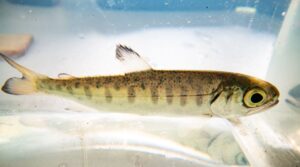
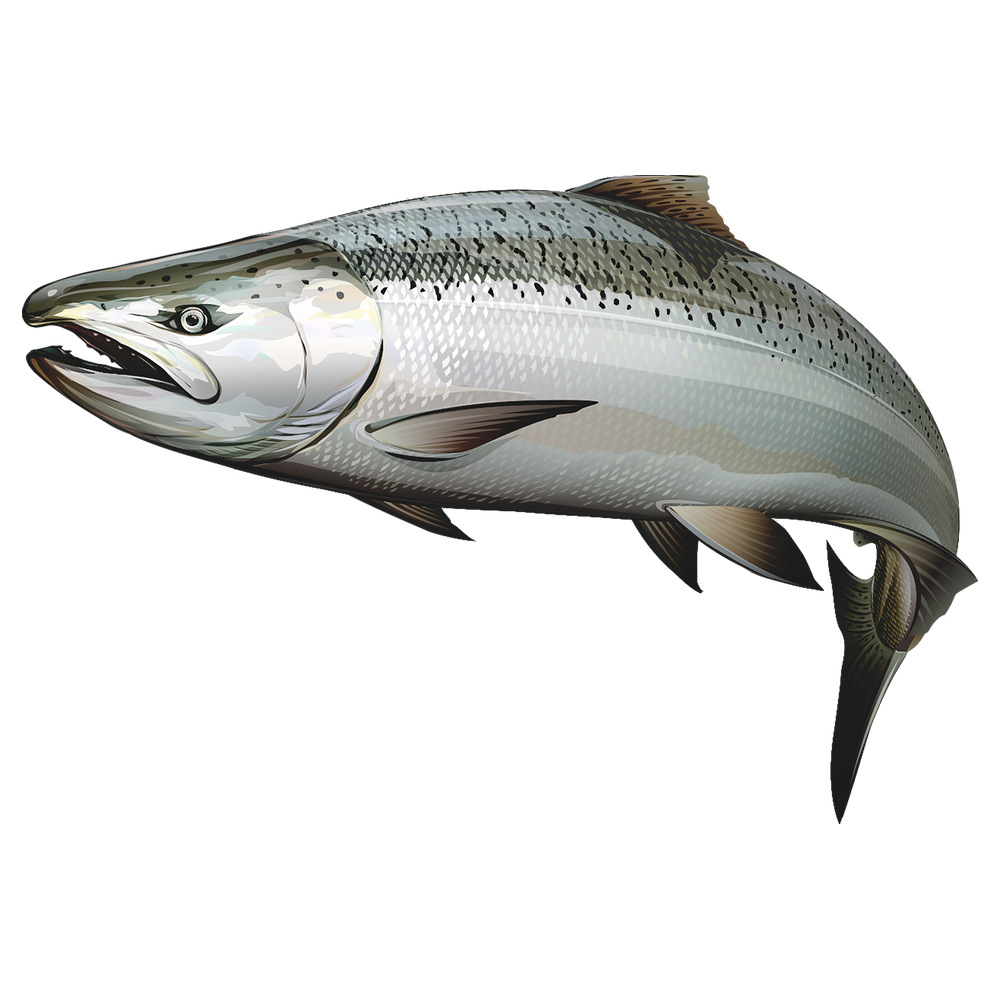
Sacramento River winter-run Chinook salmon (winter-run) face immediate risk of extinction. The ESU has been extirpated from its native spawning range by dams and has been reduced to a single small spawning population, which is wholly dependent on artificially-created spawning habitat and cold water releases from Shasta Reservoir.
Species characteristics
Conservation Actions
Conservation Strategy
- Create volitional passage to spawning habitat in Battle Creek.
- Increase juvenile survival by restoring floodplain habitats along lower Battle Creek, the mainstem Sacramento River, and the Yolo and Sutter bypasses.
- The proposed trap and haul programs to truck both adult and juvenile winter run Chinook around Keswick, Shasta, and McCloud dams should be viewed as a last resort extinction prevention effort which should only be implemented after all other restoration measures have been exhausted.
Where to find Sacramento River Winter-run Chinook Salmon
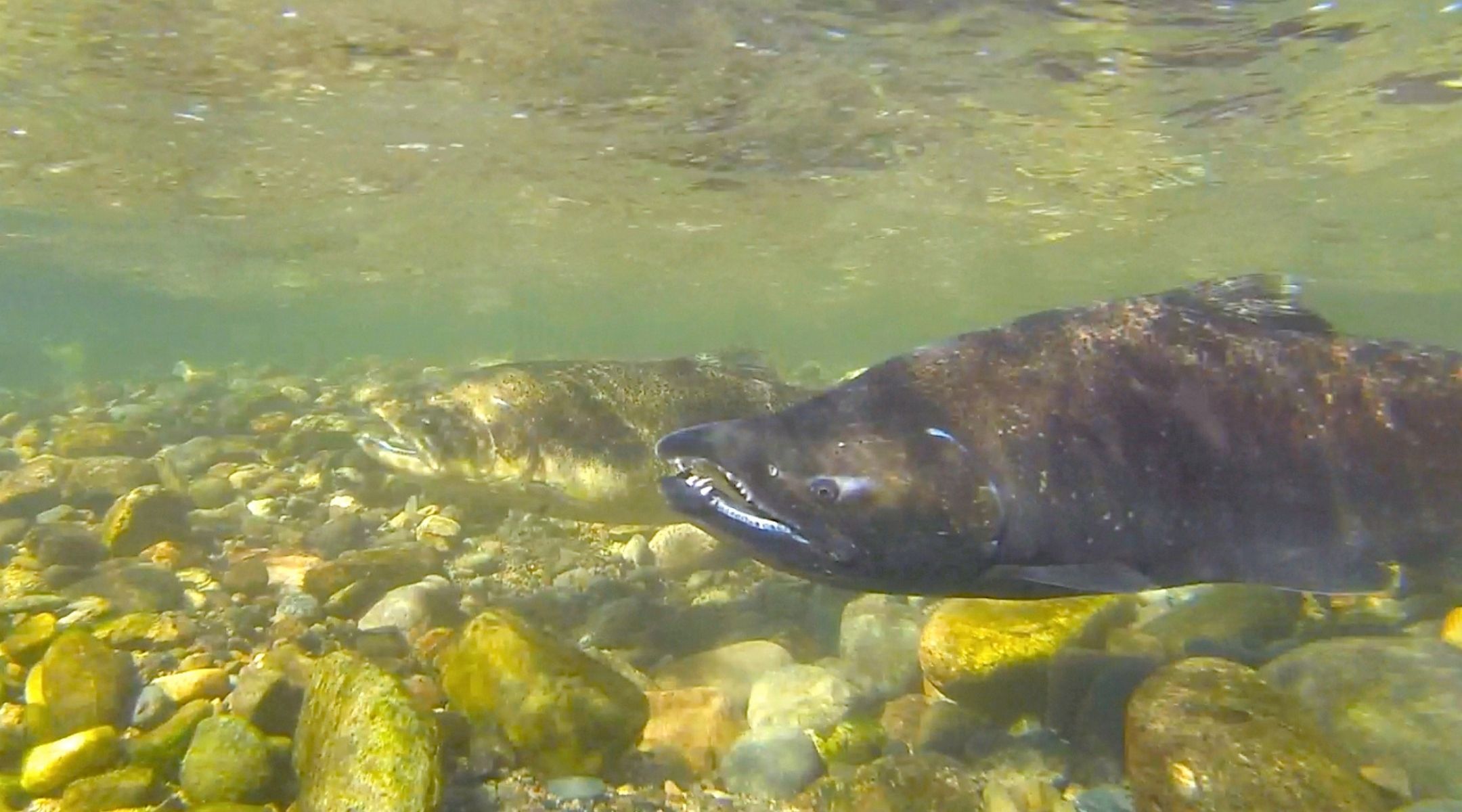
Historically, Sacramento River winter-run Chinook salmon migrated to the headwaters of the Sacramento, Pit, and McCloud rivers, as well as Battle Creek (Tehama County). All historical spawning habitat is now upstream of major dams. Today, the one remaining population spawns in the mainstem Sacramento River immediately downstream of Keswick Dam near Redding.
How This Species Scored
From Caltrout’s SOS II Report
| METRIC | SCORE | JUSTIFICATION |
|---|---|---|
| Area occupied | 1 | A single population in a reach below dams; extirpated from their historical range. |
| Estimated adult abundance | 2 | The recent (2007-16) assessments indicate an average of 3,000 returning spawners annually. In recent years, the number of adults dipped below 2,000 on several occasions. |
| Intervention dependence | 1 | A captive broodstock program has been initiated to augment the conservation hatchery program at Livingston Stone Fish Hatchery. The naturally spawning population depends entirely on cold water releases from Shasta Dam. |
| Environmental tolerance | 1 | Winter-run Chinook spawn in the most thermally challenging times of the year and are particularly at risk to high temperatures and low dissolved oxygen levels. |
| Genetic risk | 2 | Considerable genetic drift resulting from consolidation of winter-run populations into a single population is likely exacerbated by the large influence of hatchery broodstock. |
| Climate change | 1 | Extremely vulnerable because of reliance on cold water habitat and releases from Shasta Reservoir. |
| Anthropogenic threats | 1 | 1 Critical, 2 High, 5 Medium factors. |
| Average | 1.3 | LEVEL OF CONCERN: CRITICAL |
CALTROUT IN ACTION
Explore projects affecting the
Sacramento River Winter-Run Chinook Salmon
Native Salmonids
Explore California’s native fish.
From steelhead to coastal cutthroat, California’s native fish are essential to healthy rivers and thriving ecosystems.
-
Bull Trout
-
California Coastal Chinook Salmon
-
California Golden Trout
-
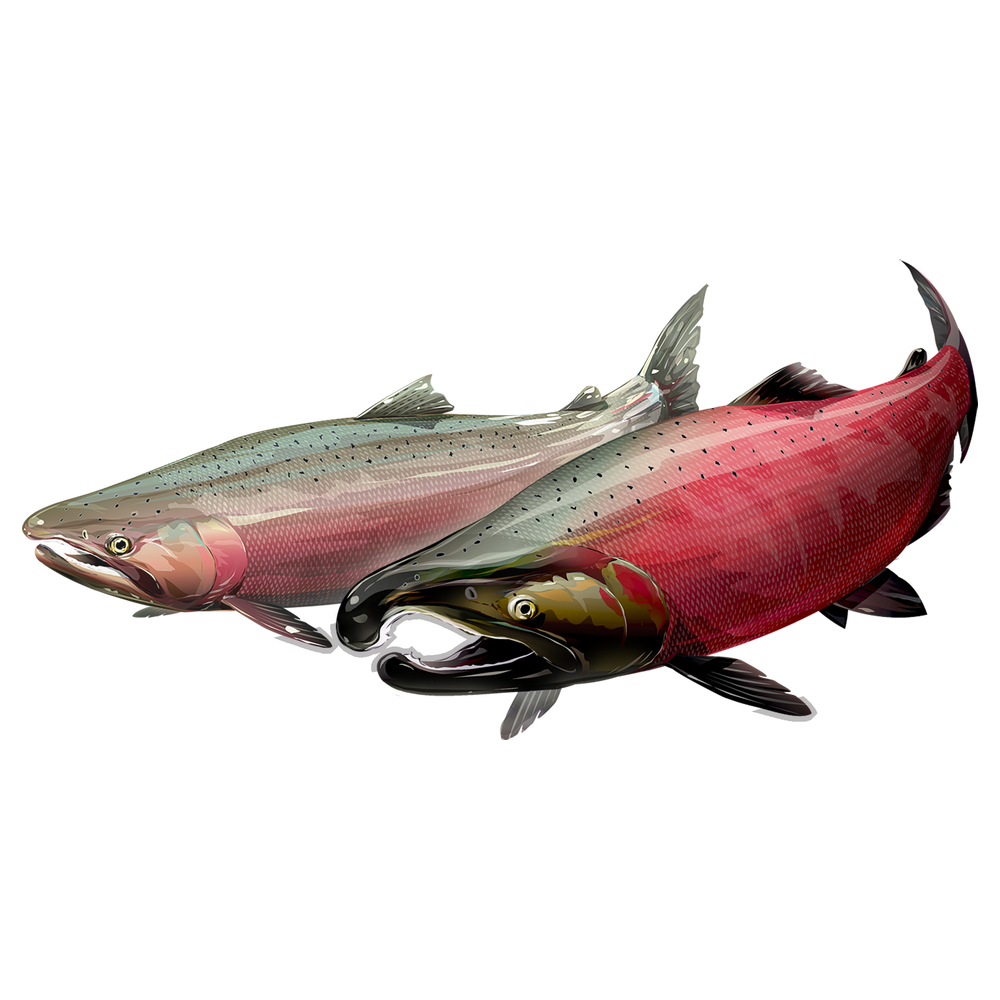
Central California Coast Coho Salmon
-
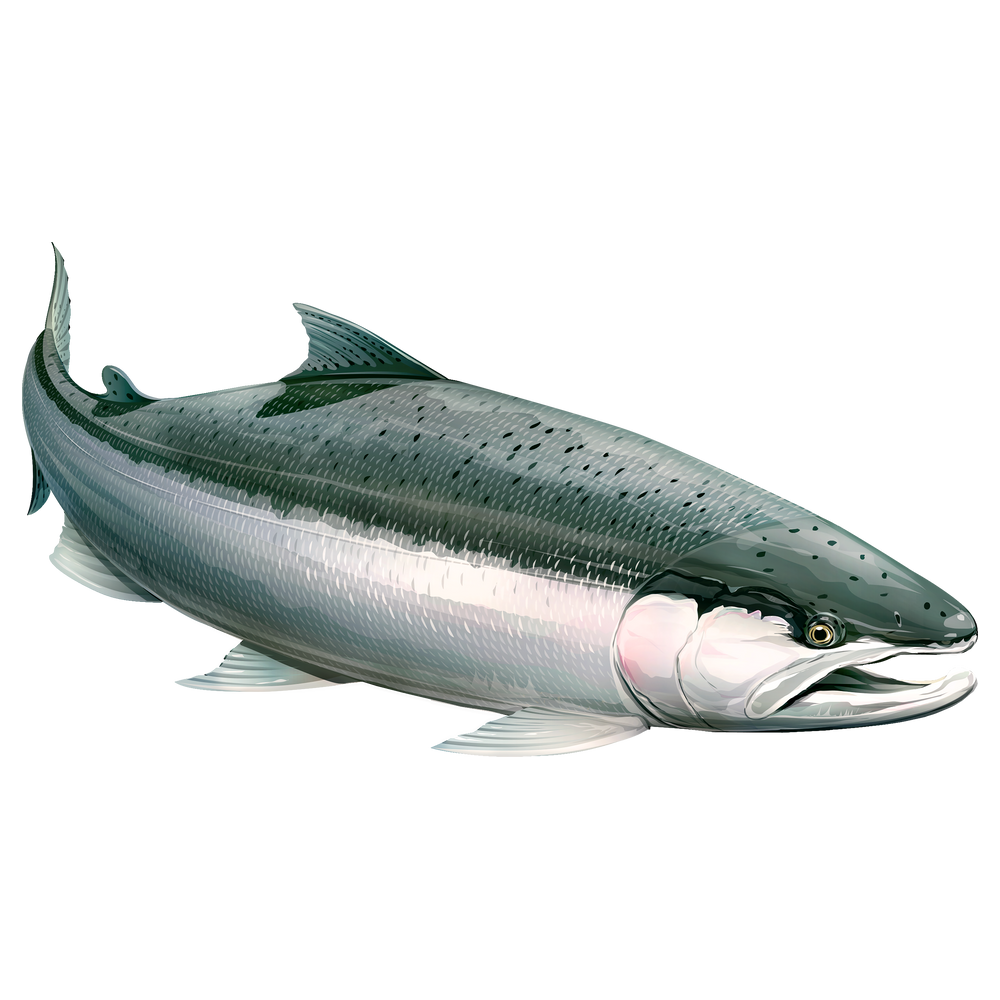
Central California Coast Steelhead
-
Central Valley Fall-Run Chinook Salmon
-
Central Valley Late Fall-Run Chinook Salmon
-
Central Valley Spring-Run Chinook Salmon
-
Central Valley Steelhead
-
Chinook Salmon
-
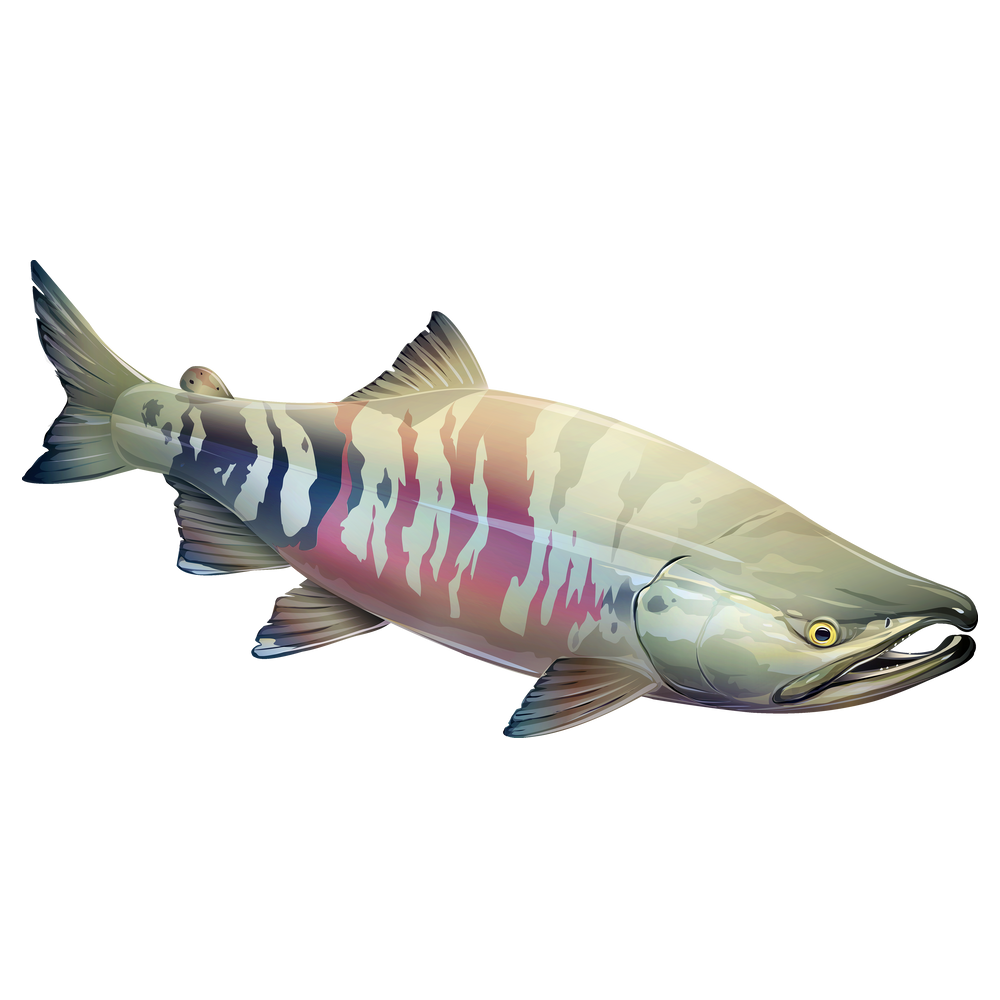
Chum Salmon
-
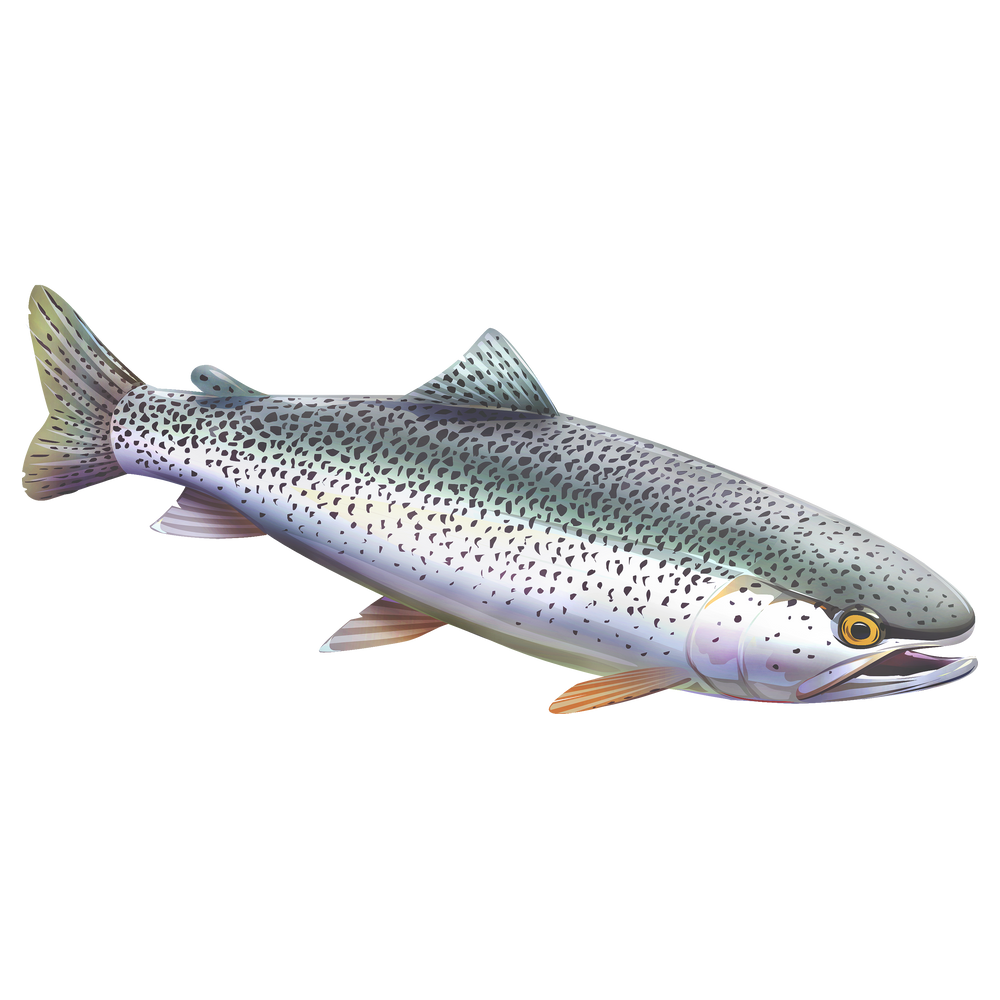
Coastal Cutthroat Trout
-
Coastal Rainbow Trout
-
Coho Salmon
-
Eagle Lake Rainbow Trout
-
Goose Lake Redband Trout
-
Kern River Rainbow Trout
-
Klamath Mountains Province Summer Steelhead
-
Klamath Mountains Province Winter Steelhead
-
Lahontan Cutthroat Trout
-
Little Kern Golden Trout
-
McCloud River Redband Trout
-
Northern California Summer Steelhead
-
Northern California Winter Steelhead
-
Paiute Cutthroat Trout
-
Pink Salmon
-
Sacramento River Winter-Run Chinook Salmon
-
South-Central California Coast Steelhead
-
Southern Oregon/Northern California Coast Chinook Salmon
SUPPORT CalTrout
The only statewide assessment of California’s native salmon, steelhead, and trout.
CalTrout, in collaboration with academic partners, has produced two once-a-decade State of the Salmonids reports — comprehensive scientific assessments of all 32 native salmon, steelhead, and trout species in California. The third report is currently set to release in 2027.