Central California
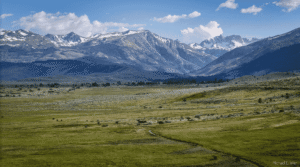
From Sierra snowpack to the Sacramento Valley to San Francisco Bay: restoring the rivers that sustain California.
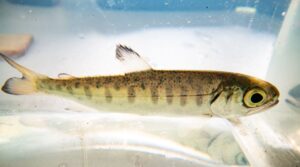
The rivers of Central California connect mountain headwaters, working landscapes, and urban communities across one of the state’s most populous regions. From Sierra streams that provide cold, clean water and support five of California’s inland trout species to the Sacramento–San Joaquin watershed hosting the most diverse array of Chinook salmon runs in the world to urban Bay Area creeks where steelhead still return, CalTrout is advancing science-based solutions to restore fish populations and build climate resilience.
15
Active projects
20+
Miles of habitat reconnected on Alameda Creek
60,000
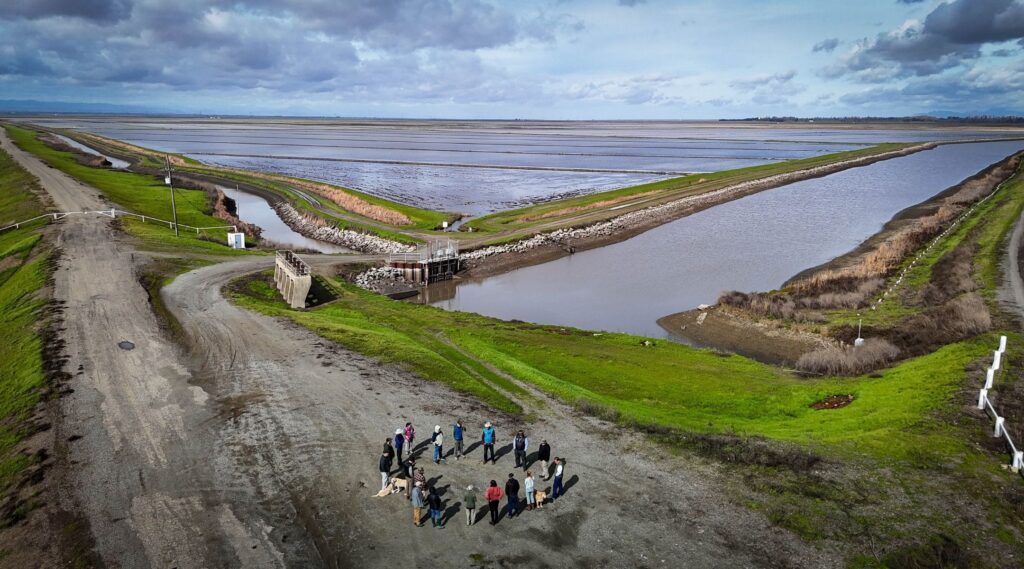
Flood drain cycles on 25,000 acres enrolled in Fish Food Program
30+
Miles of stream recovered for Lahontan cutthroat trout by 2027
CENTRAL CALIFORNIA PROJECTS
Explore Central California projects
Filter projects
20 projects
-
Central Valley Salmon Habitat Partnership
Read more →: Central Valley Salmon Habitat PartnershipThe Salmon Partnership drives science-based recovery of Central Valley Chinook salmon and steelhead, sustaining healthy runs for both…
-
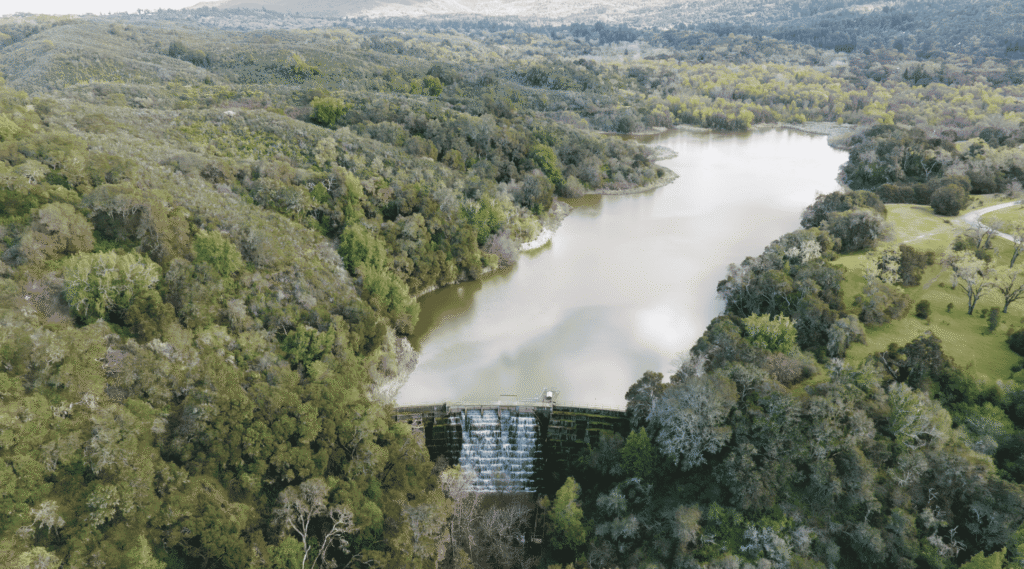
Searsville Dam Removal
Read more →: Searsville Dam RemovalWorking to remove a century-old, high-hazard dam blocking steelhead migration on San Francisquito Creek at Stanford University.
-
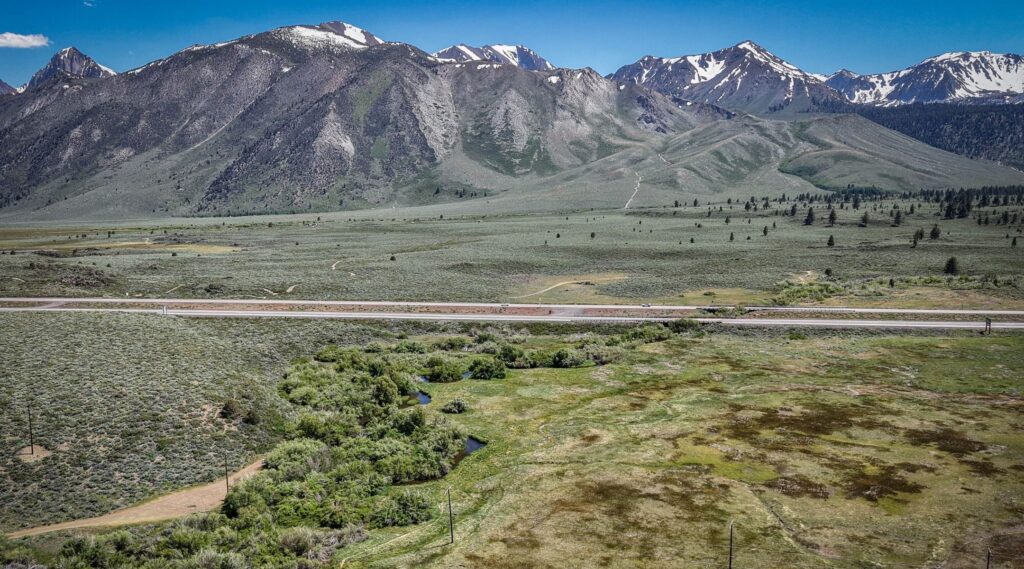
Lower Mammoth Creek Restoration Project
Read more →: Lower Mammoth Creek Restoration ProjectReconnecting 100+ acres of Lower Mammoth Creek’s meadow and riparian habitat to restore cold-water trout habitat and build…
-
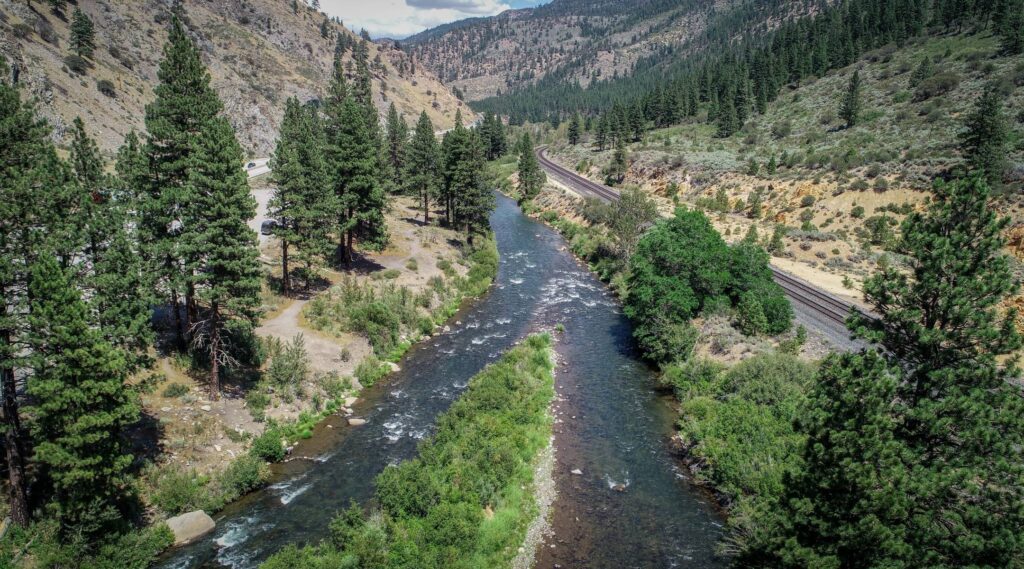
Truckee River Bank Stabilization and Angler Access Project
Read more →: Truckee River Bank Stabilization and Angler Access ProjectBuilt terraced boulder steps to stabilize an eroding Truckee River bank, cutting sediment pollution while giving anglers and…
-
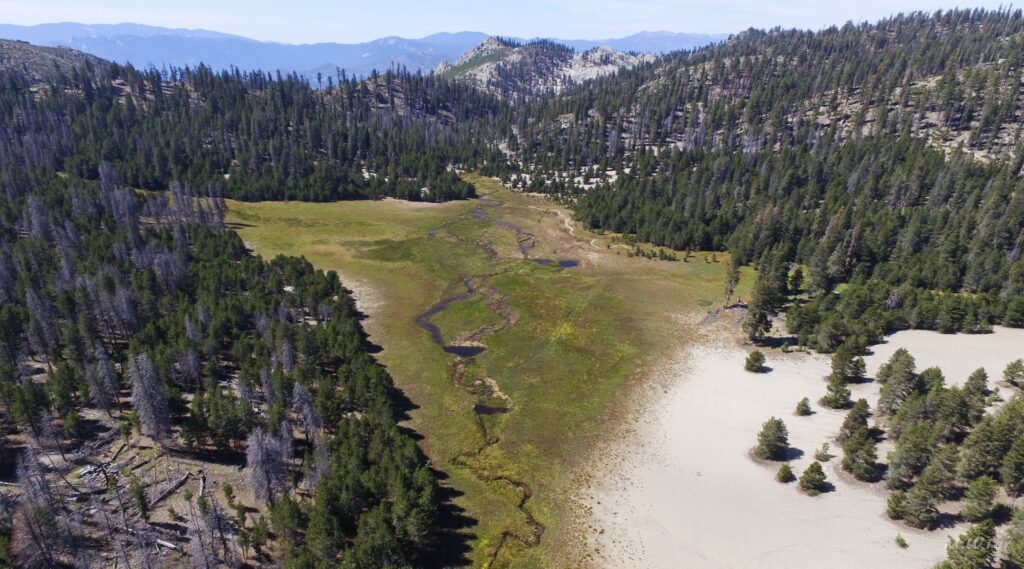
Osa Meadow Research and Restoration
Read more →: Osa Meadow Research and RestorationRestored Osa Meadow to build climate resilience and support Kern River Rainbow Trout recovery, while studying how restoration…
-
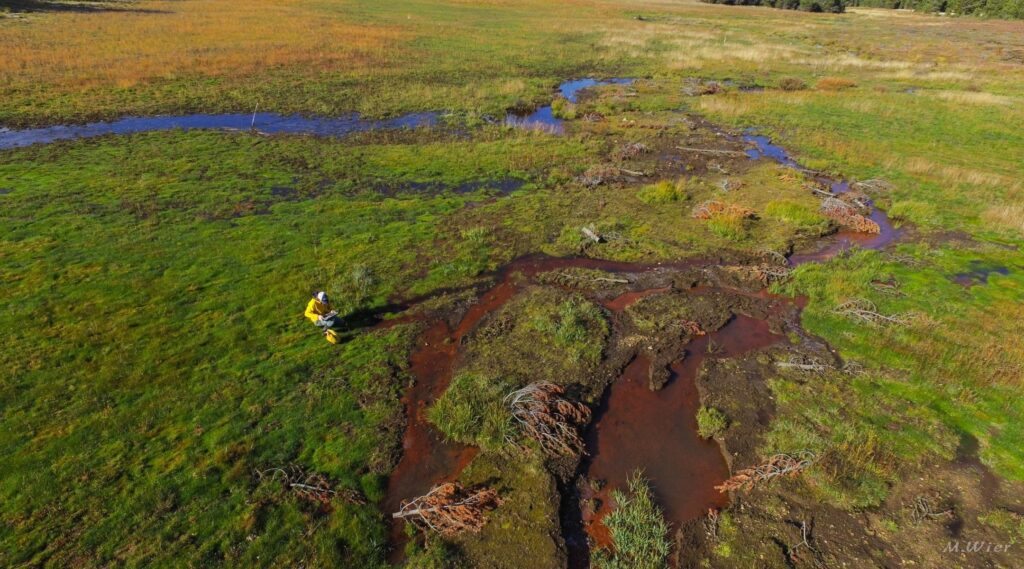
Sierra Meadow Wetland Riparian Area Monitoring Plan
Read more →: Sierra Meadow Wetland Riparian Area Monitoring PlanA standardized monitoring program tracking meadow health before and after restoration across the Sierra Nevada headwaters that supply…
-
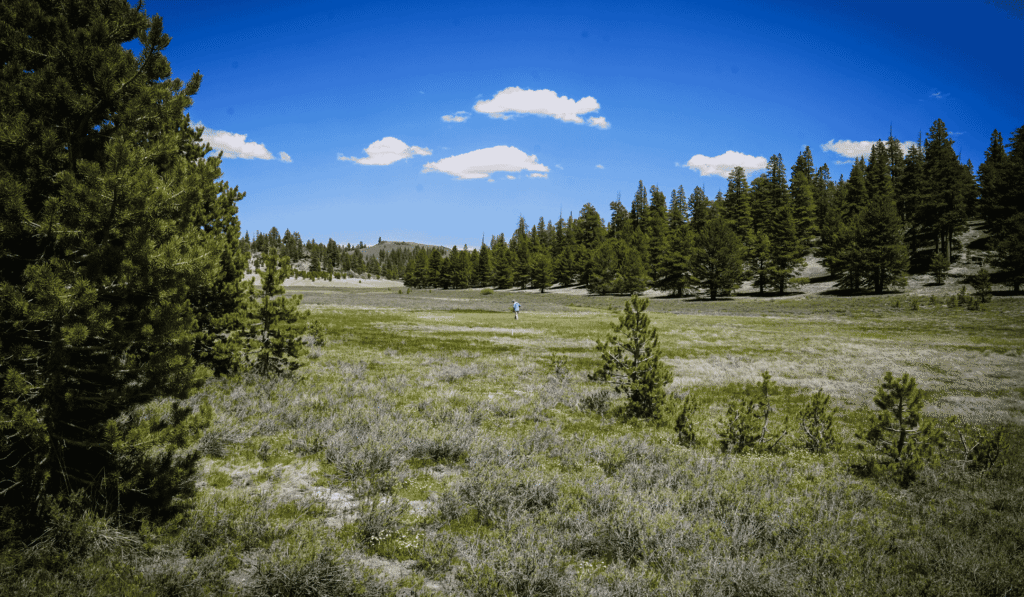
Prioritizing and Restoring Sierra Meadows
Read more →: Prioritizing and Restoring Sierra MeadowsRestore 30,000 meadow acres in the Sierra Nevada to ensure sustainable water supply for Californians and native species…
-
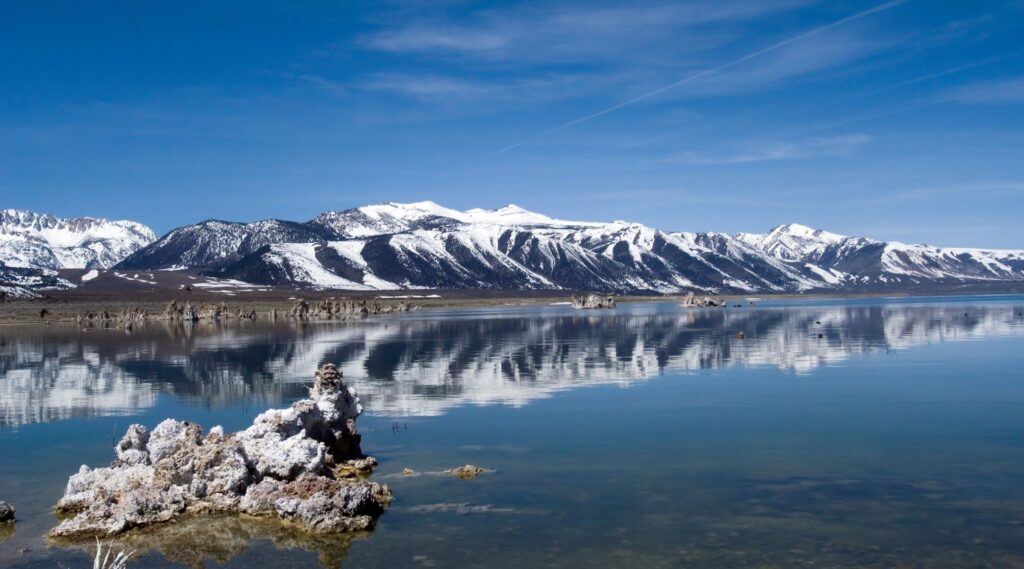
Mono Basin Protection
Read more →: Mono Basin ProtectionEnding an 80-year water fight, a landmark settlement is restoring flows to Mono Lake’s four tributary creeks and…
-
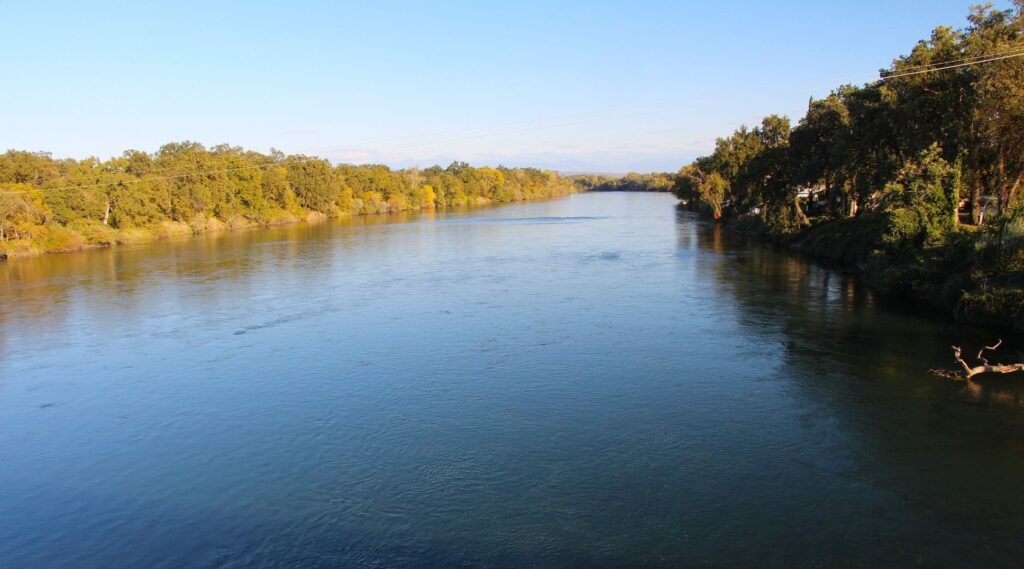
Sacramento Valley String of Pearls Floodplain Restoration Program
Read more →: Sacramento Valley String of Pearls Floodplain Restoration ProgramStitching together disconnected floodplain habitat along 300 miles of the Sacramento River, from Redding to Rio Vista, into…
-
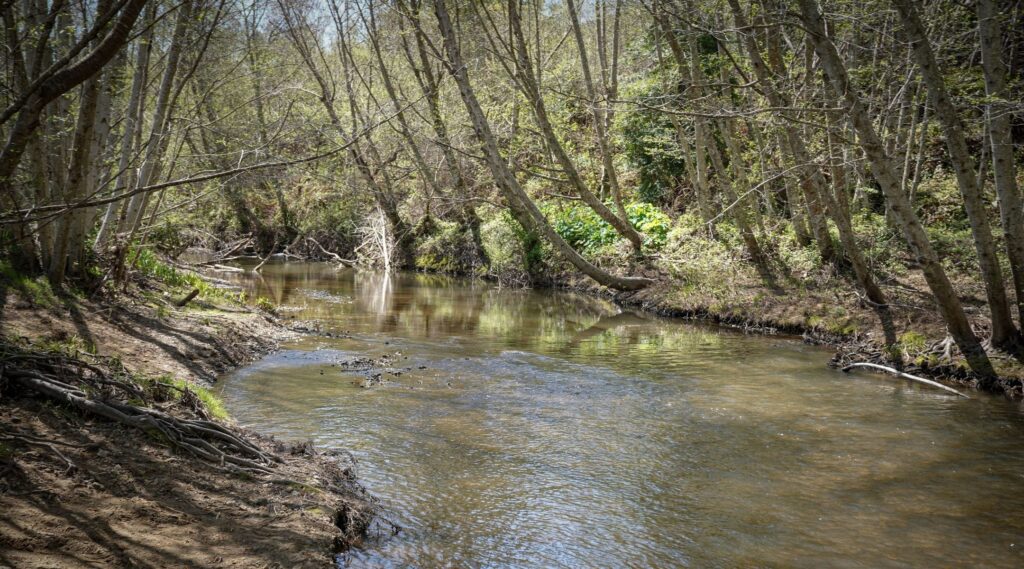
Walker Creek Outreach and Education Program
Read more →: Walker Creek Outreach and Education ProgramWork with partners to inspire the next generation of environmental stewards through stream study focused on watershed health…
-
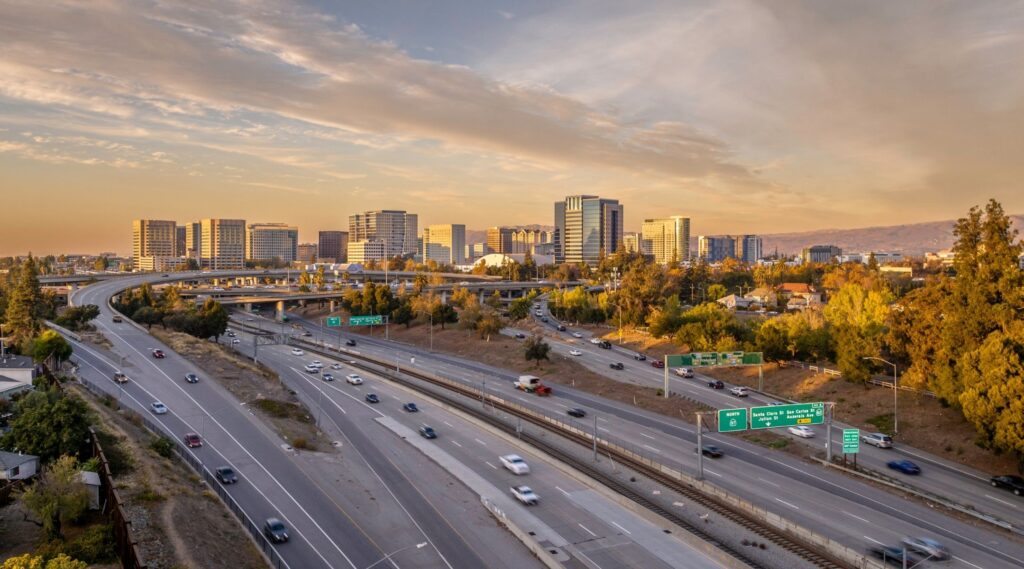
Securing South Bay Stream Flows for Bay Area Steelhead
Read more →: Securing South Bay Stream Flows for Bay Area SteelheadA nearly 30-year fight to restore fish-sustaining flows to Silicon Valley’s Stevens Creek, Coyote Creek, and Guadalupe River…
-
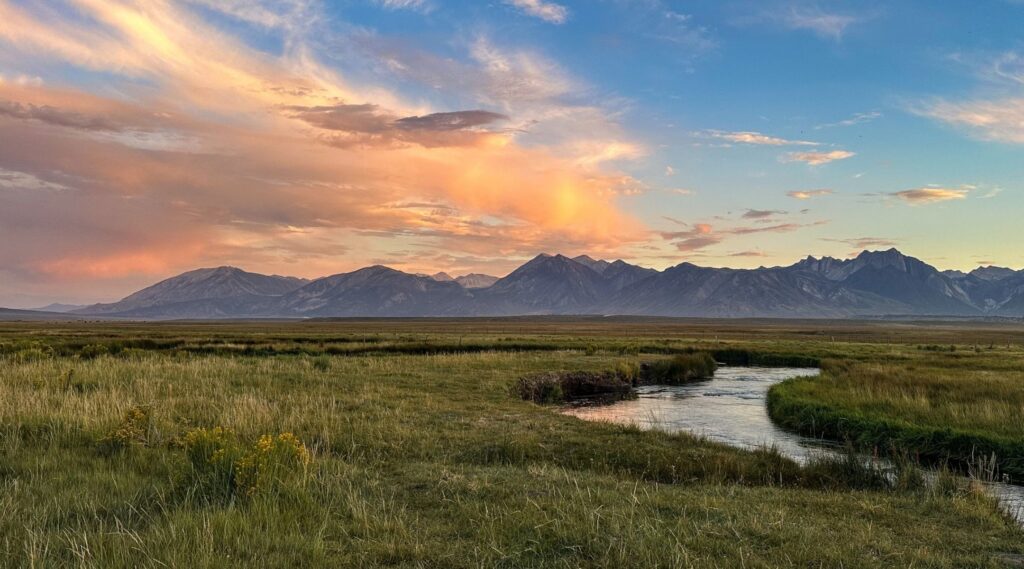
Owens River Protection
Read more →: Owens River ProtectionHolding Los Angeles and Mammoth Lakes water agencies to their 2013 settlement commitments to keep enough water flowing…
-
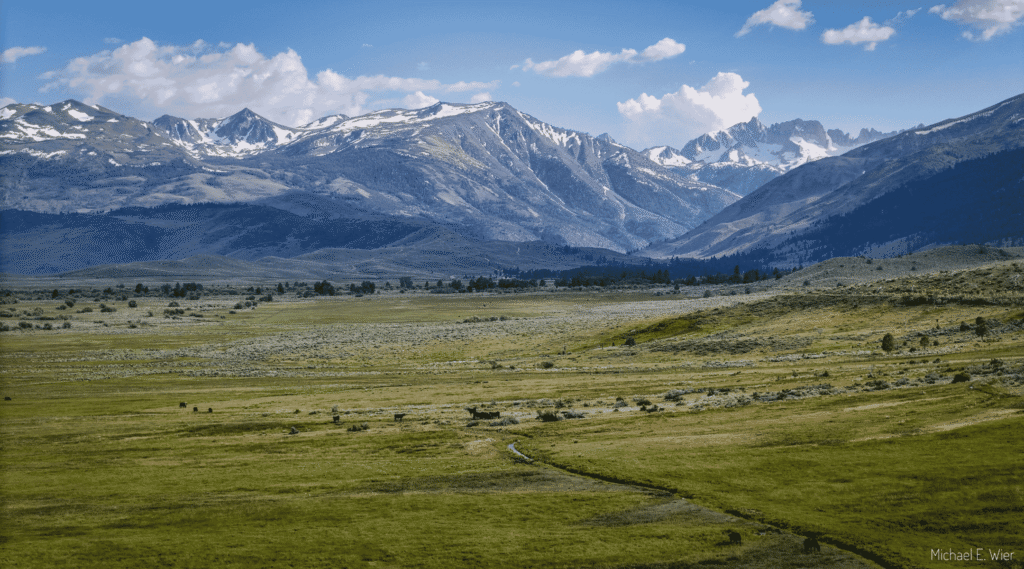
By-Day Creek Forest Health Project
Read more →: By-Day Creek Forest Health ProjectThinned an overly dense forest understory in Mono County’s Sierra headwaters to guard against catastrophic wildfire and protect…
-
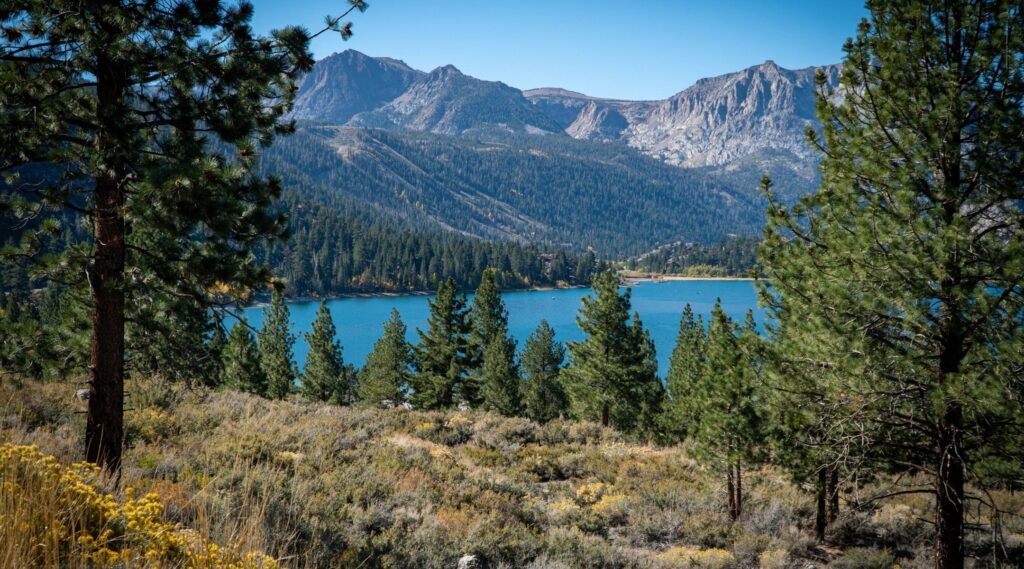
June Mountain Forest Health Project
Read more →: June Mountain Forest Health ProjectThinned beetle-killed and drought-stressed forest above June Lake to protect Rush Creek’s wild trout waters from catastrophic wildfire.
-
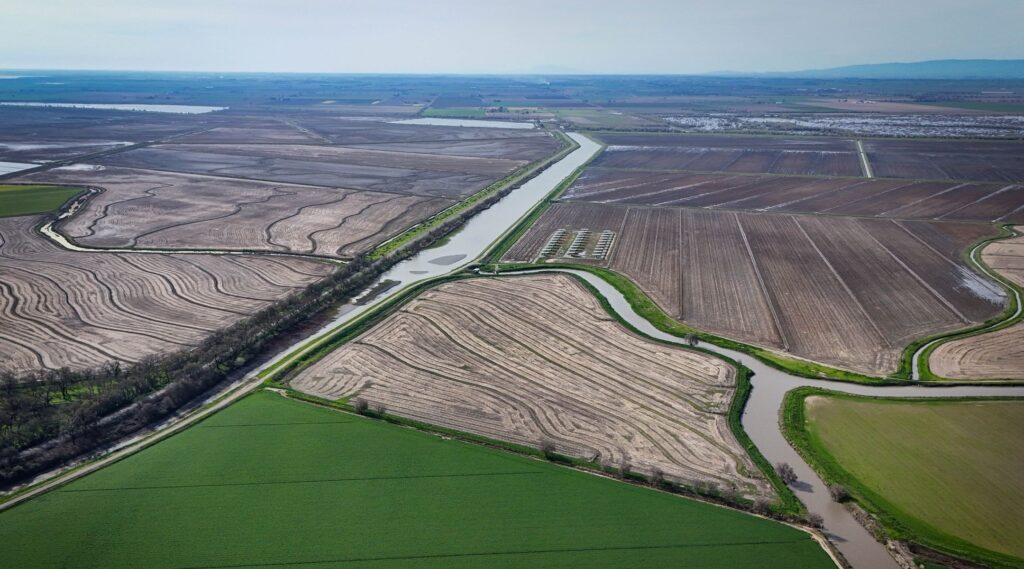
Floodplain Forward Coalition
Read more →: Floodplain Forward CoalitionA coalition of farmers, water agencies, and conservationists working to reconnect Sacramento Valley floodplains at scale for salmon,…
-
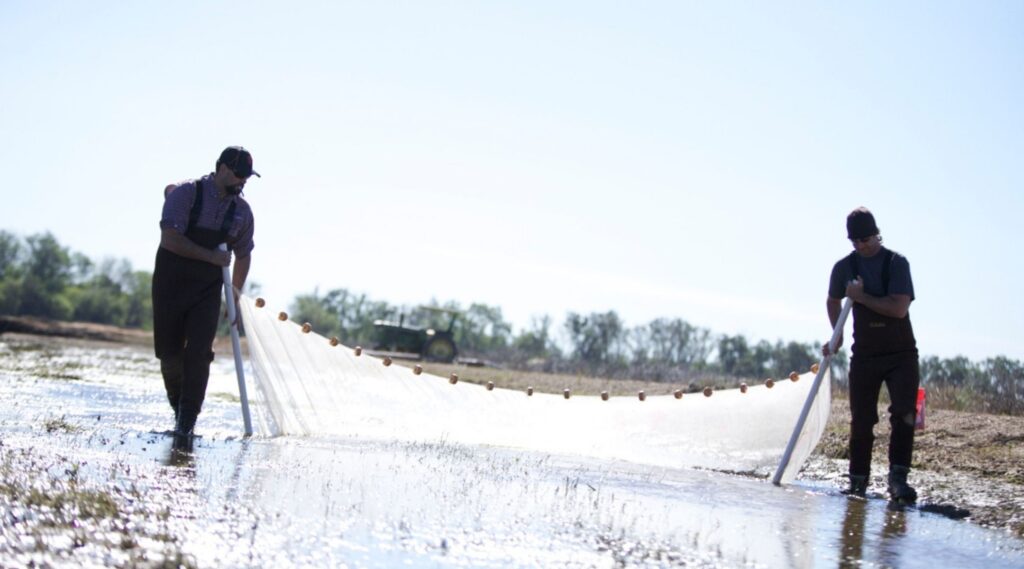
Nigiri Project
Read more →: Nigiri ProjectTesting whether winter-flooded rice fields can recreate the floodplain nurseries that once helped Central Valley salmon grow fast…
-
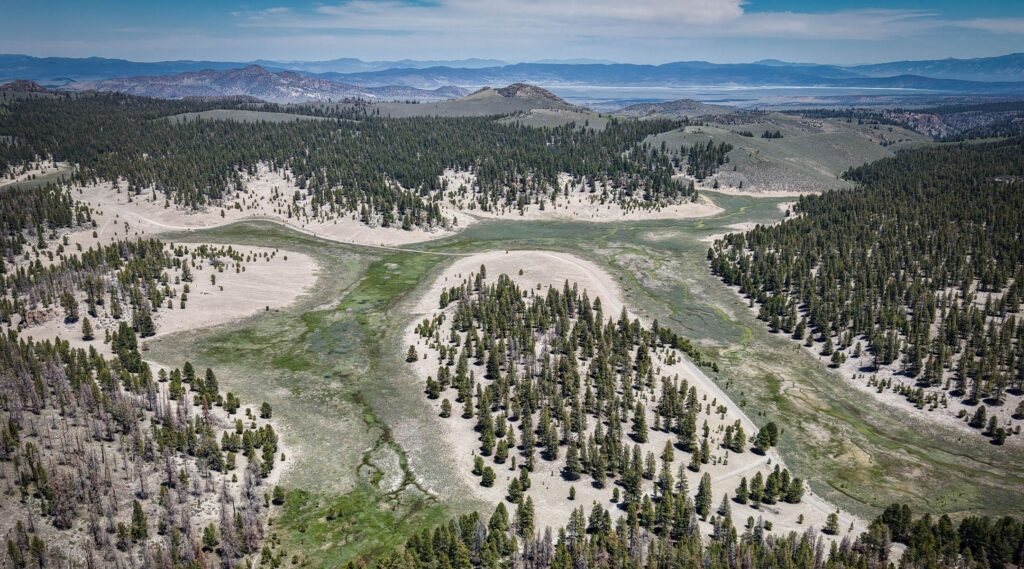
Glass Mountain Meadow Restoration
Read more →: Glass Mountain Meadow RestorationRestoring 300+ acres of Sierra Nevada meadows and forest to secure water supplies, sequester carbon, and bring back…
-
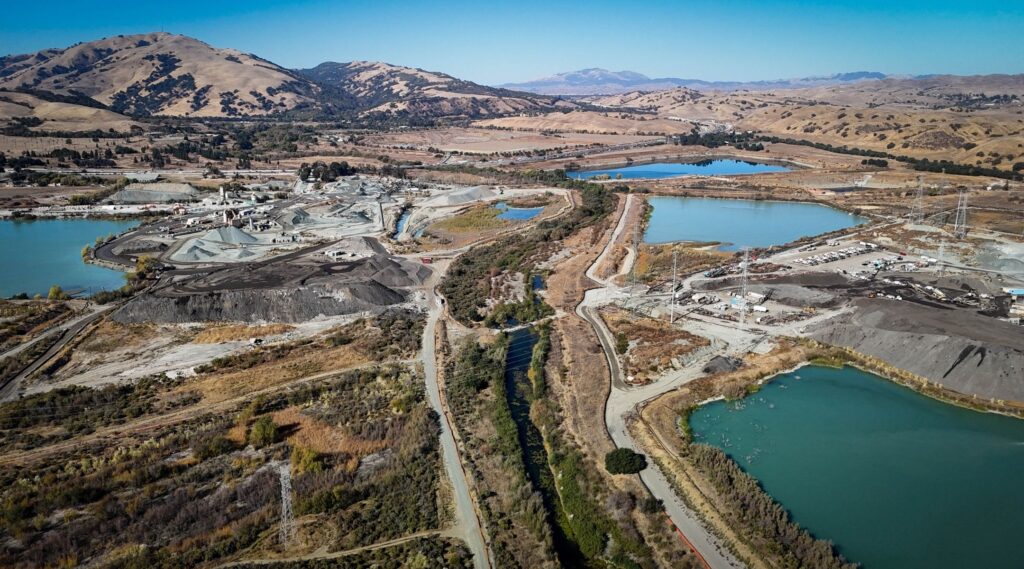
Sunol Valley Fish Passage Project, Alameda Creek
Read more →: Sunol Valley Fish Passage Project, Alameda CreekRelocating a gas pipeline to remove the last fish passage barrier on Alameda Creek and reopen 20+ miles…
-
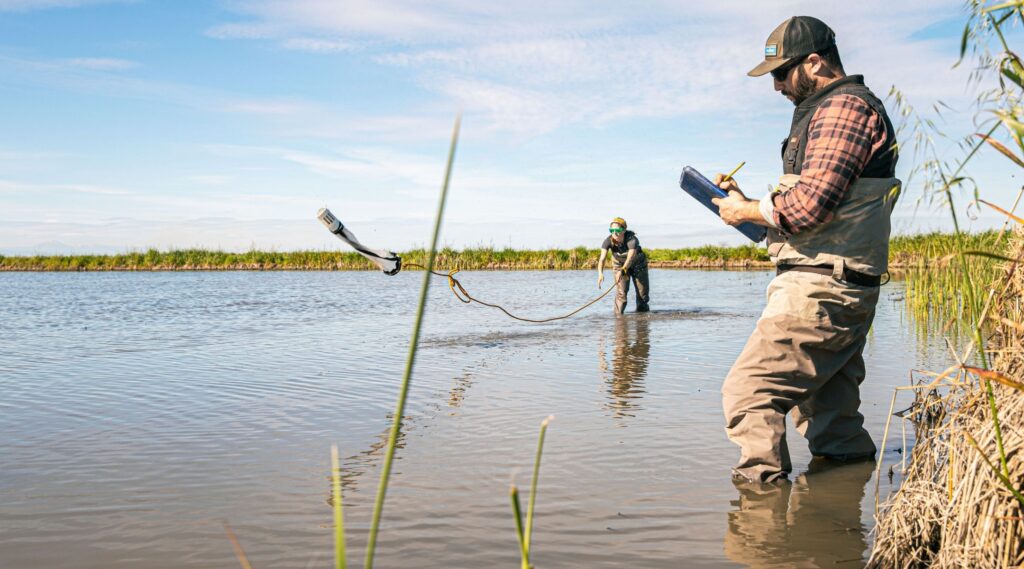
Fish Food on Floodplain Farm Fields
Read more →: Fish Food on Floodplain Farm FieldsFlooding winter rice fields in the Sacramento Valley to grow food for salmon, then releasing it into the…
-
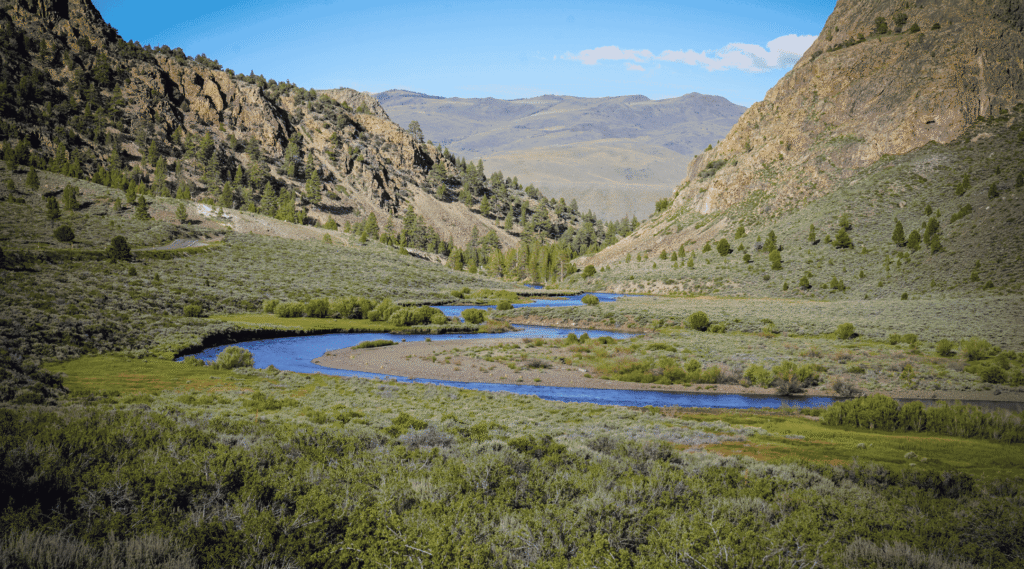
Lahontan Cutthroat Trout Recovery
Read more →: Lahontan Cutthroat Trout RecoveryRemoving invasive trout and reducing wildfire risk to recover Lahontan Cutthroat Trout in their last remaining Walker Basin…
Priority WATERSHEDS
Three featured watersheds, one regional approach.
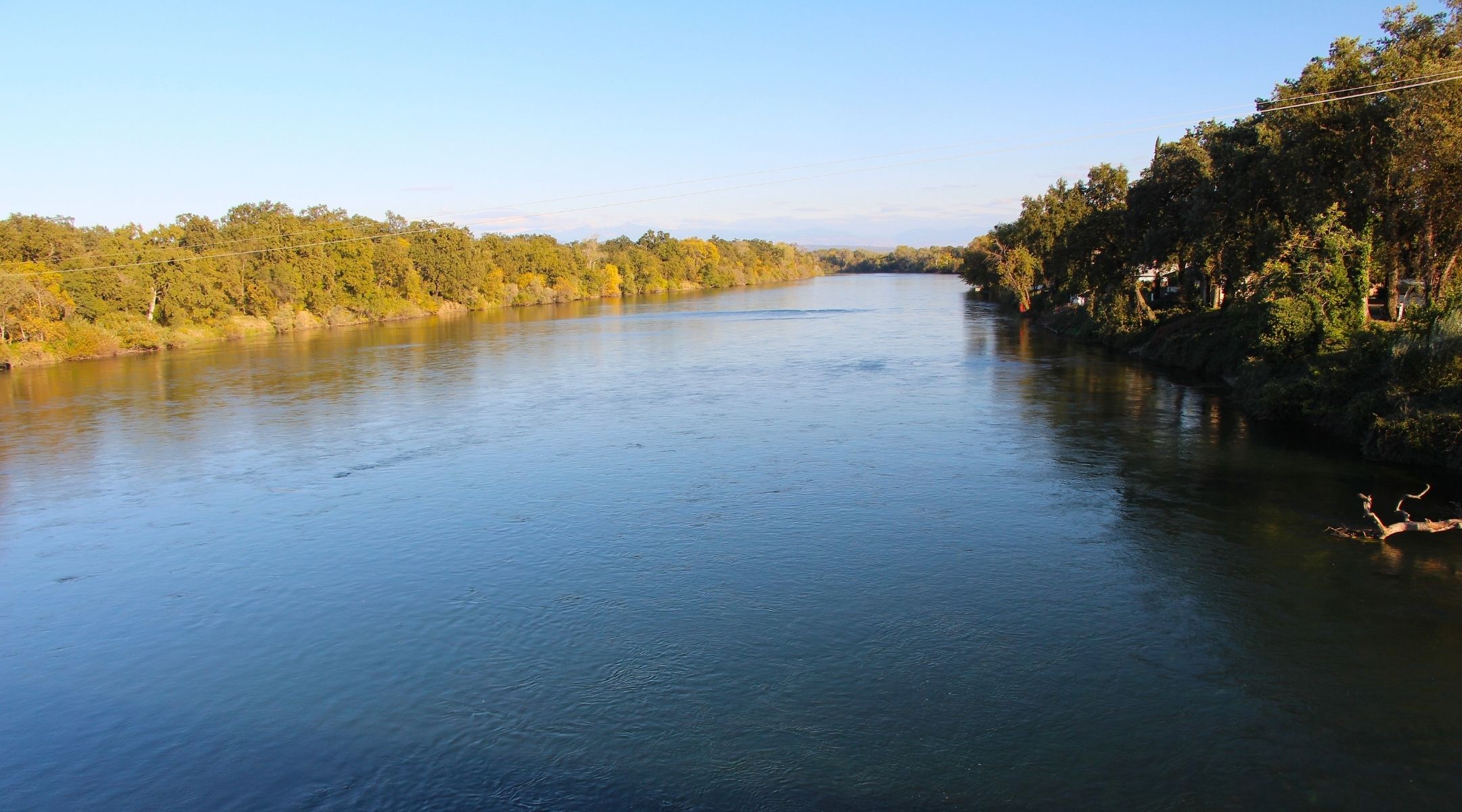
Lower Sacramento River Watershed
California’s largest river system drains much of the northern Sierra and Sacramento Valley, supporting four unique runs of Chinook salmon, steelhead, and a vast tapestry of agricultural and community water needs.
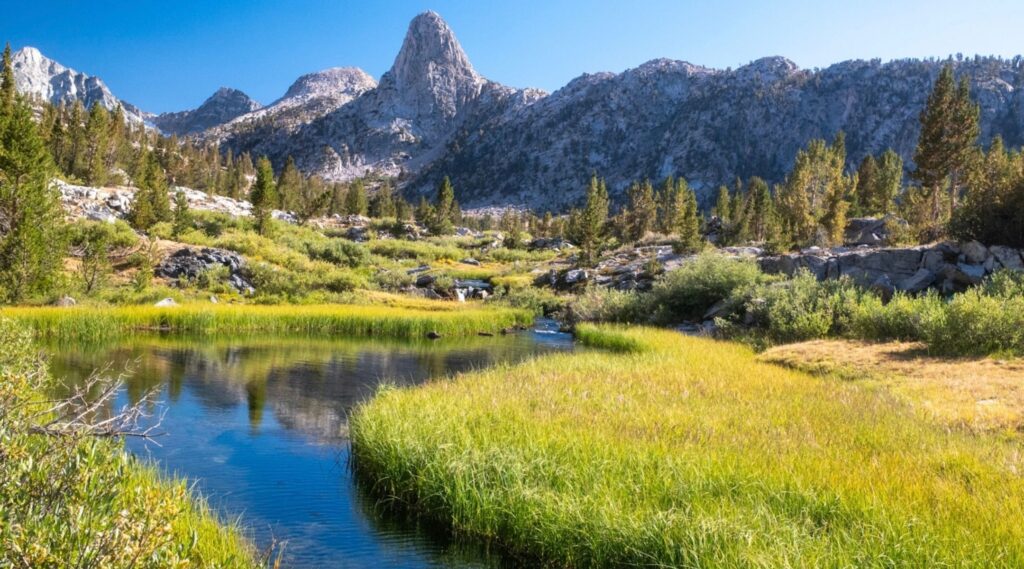
Sierra Nevada Headwaters
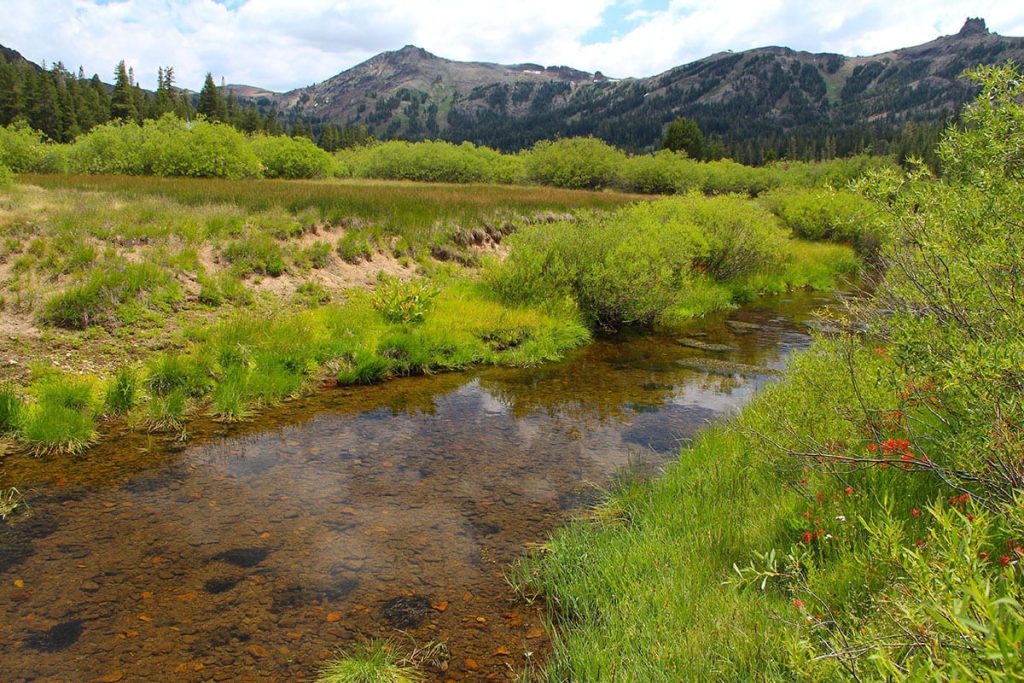
The Sierra Nevada headwaters supply much of California’s freshwater and provide critical flows for salmon and habitat for inland native trout.
San Francisquito Creek & Searsville Dam Removal
Despite intense urbanization, steelhead continue to persist in Bay Area streams, and San Francisquito Creek is one Bay Area watershed that has prime recovery opportunity for steelhead.
Native Salmonids
Explore Central California’s native fish.
The salmon, steelhead, and trout of Central California connect Sierra headwaters to the Bay, and reveal the health of the rivers they depend on.
-
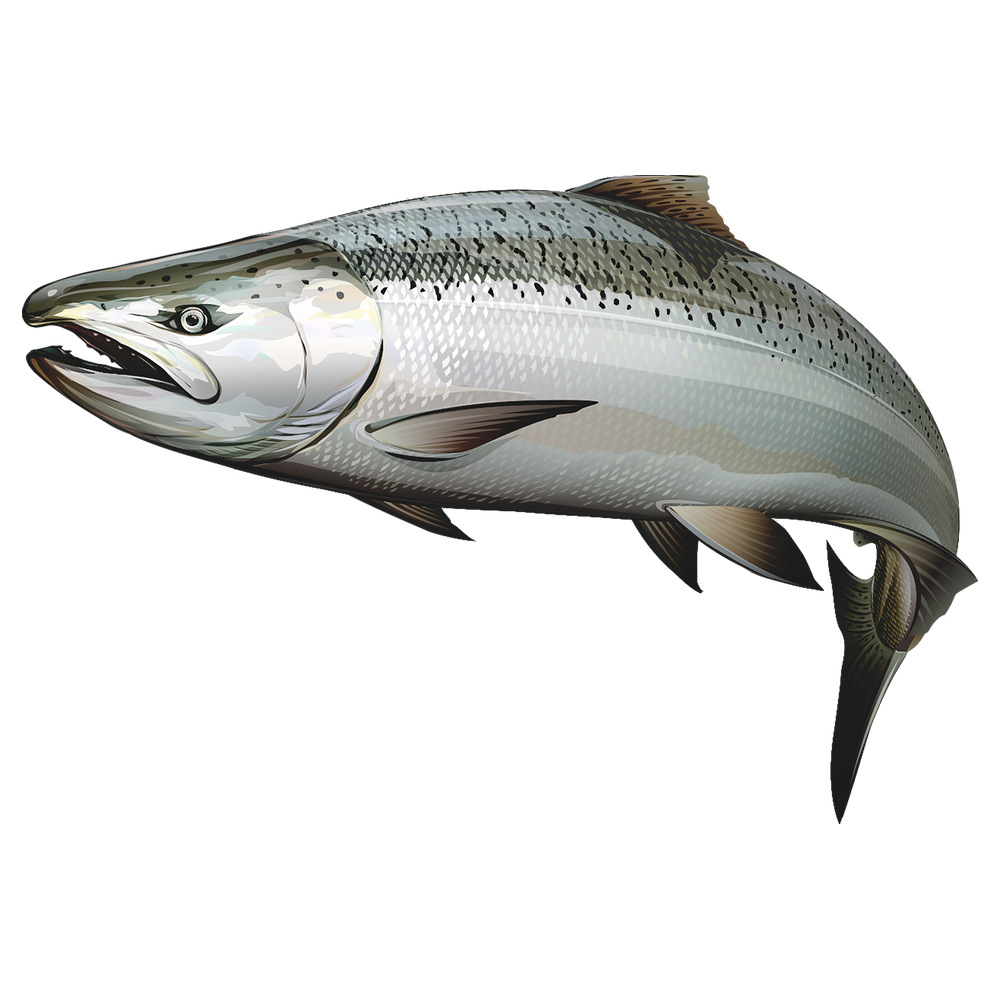
California Coastal Chinook Salmon
-
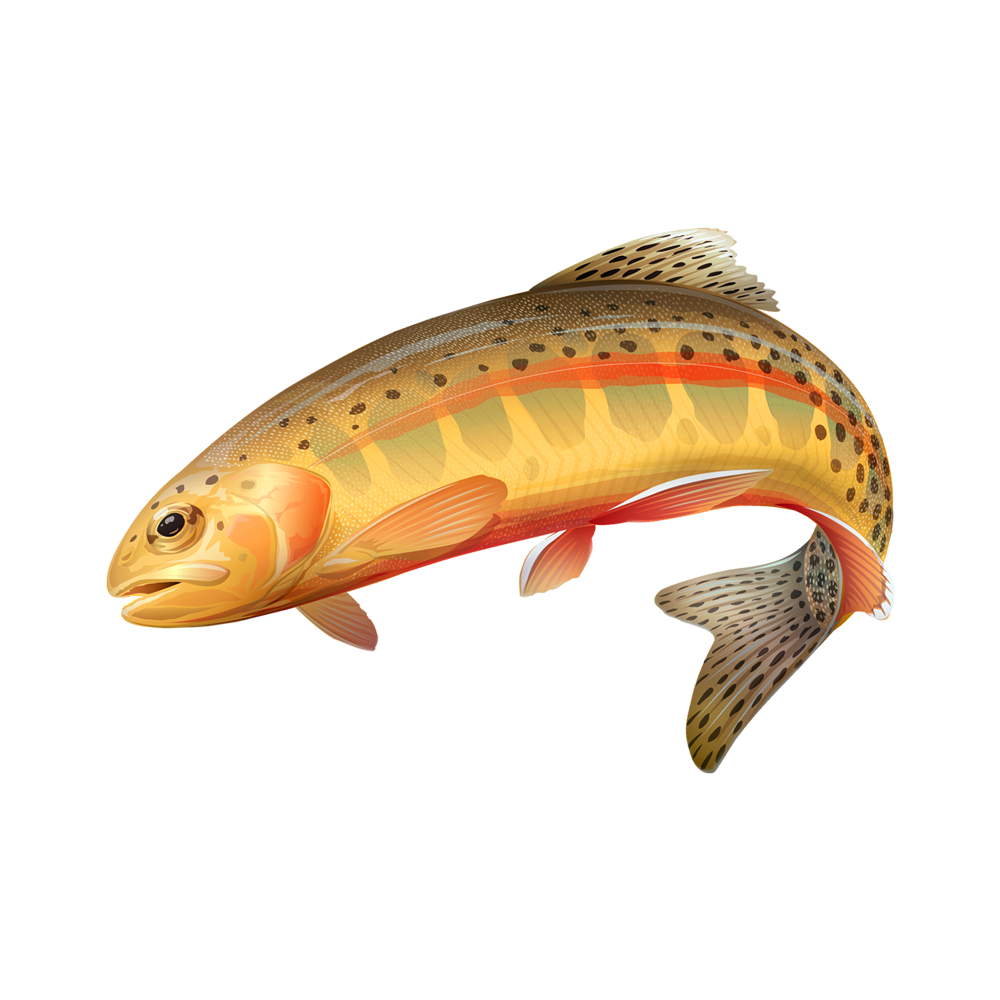
California Golden Trout
-
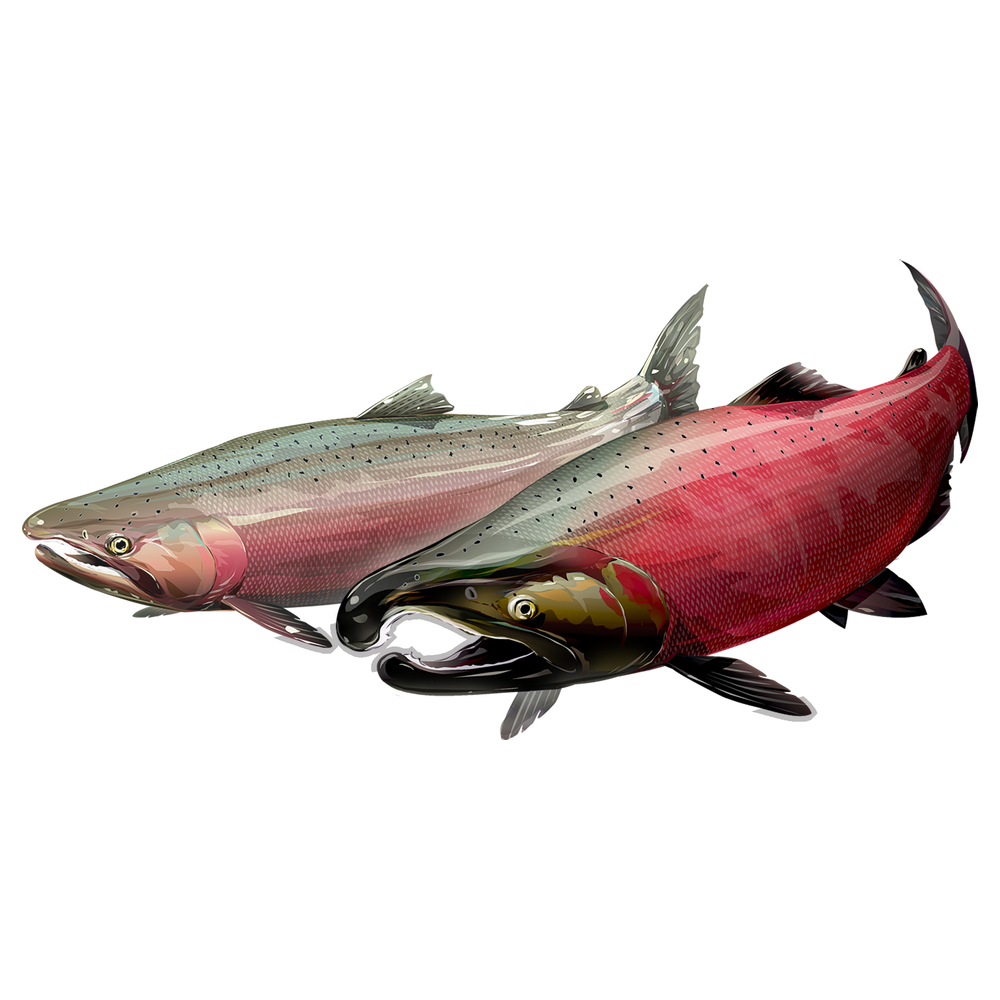
Central California Coast Coho Salmon
-
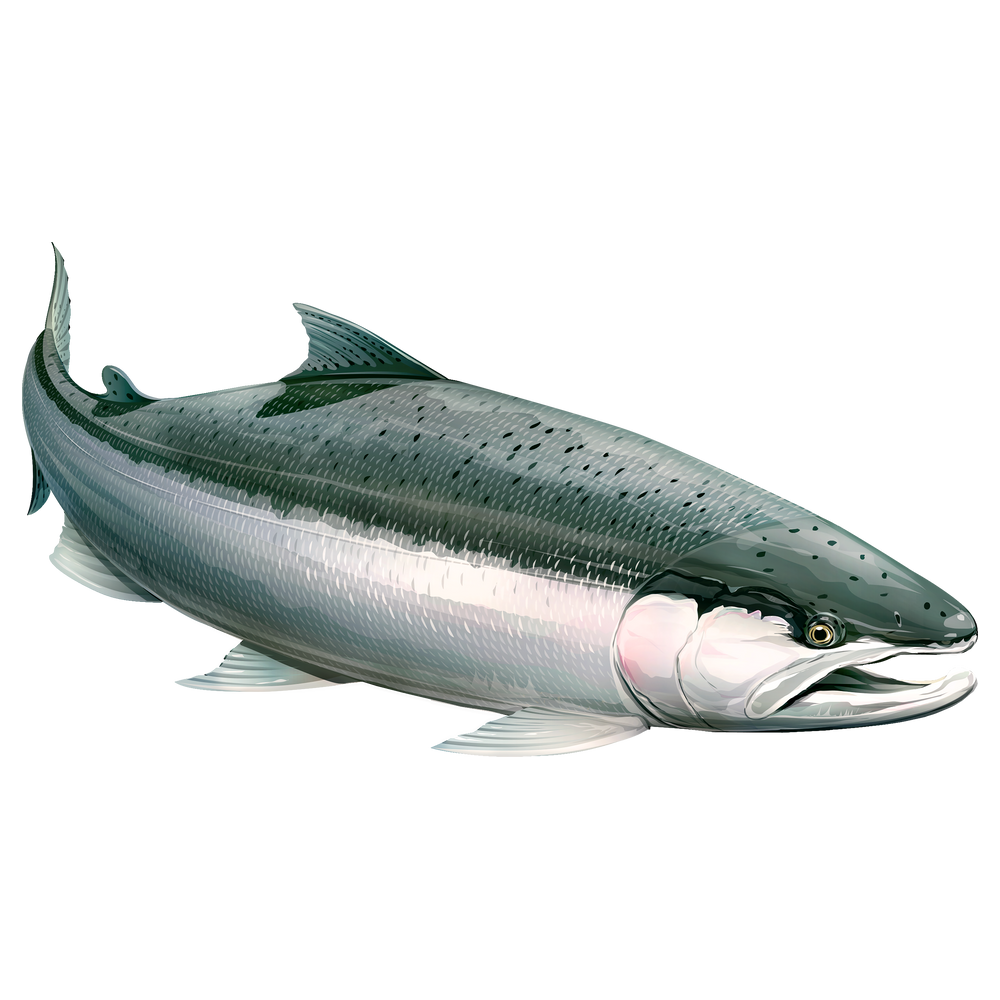
Central California Coast Steelhead
-
Central Valley Fall-Run Chinook Salmon
-
Central Valley Spring-Run Chinook Salmon
-
Central Valley Steelhead
-
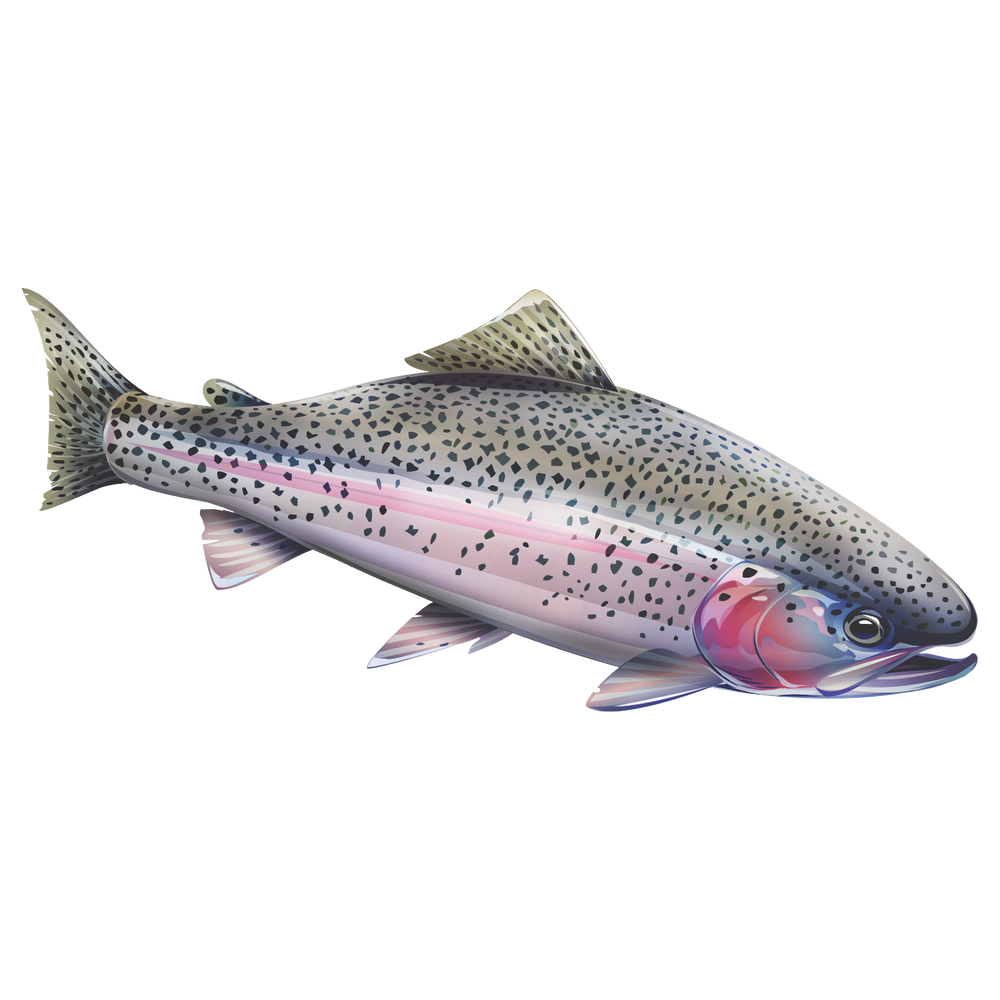
Coastal Rainbow Trout
-
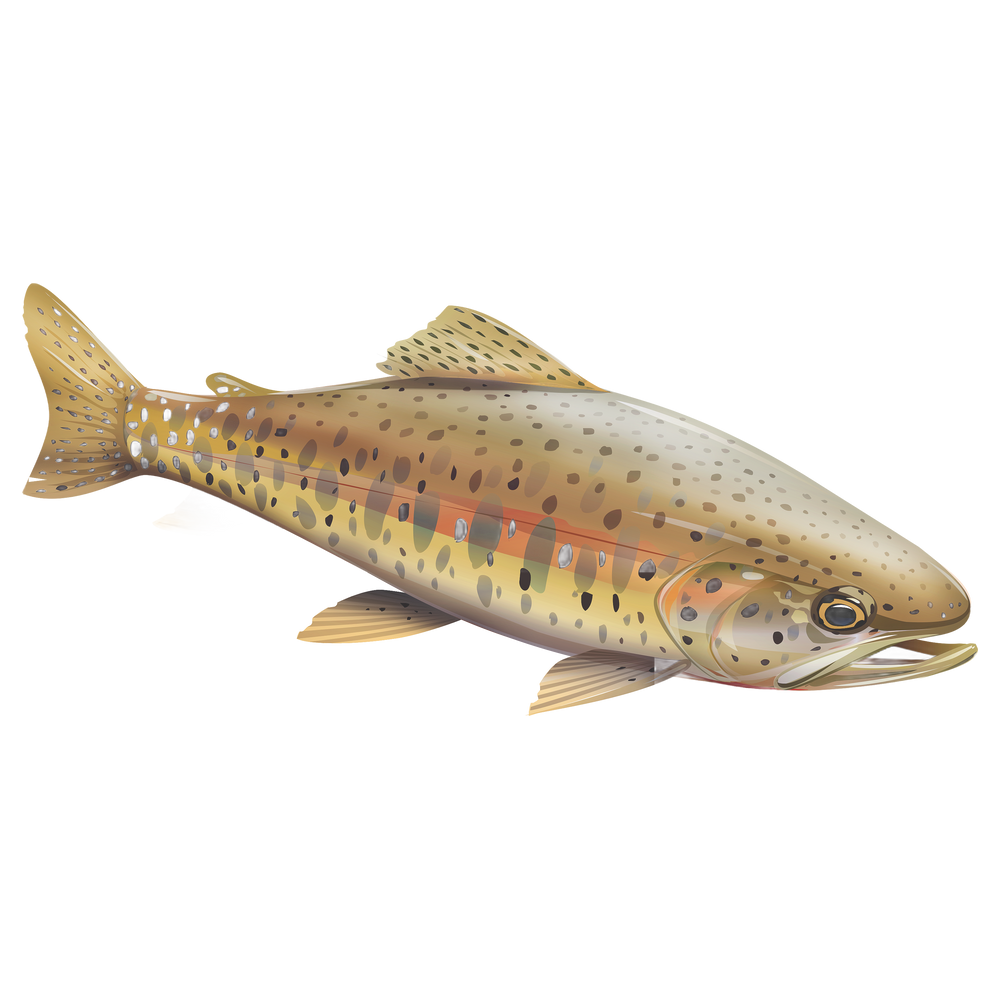
Lahontan Cutthroat Trout
-
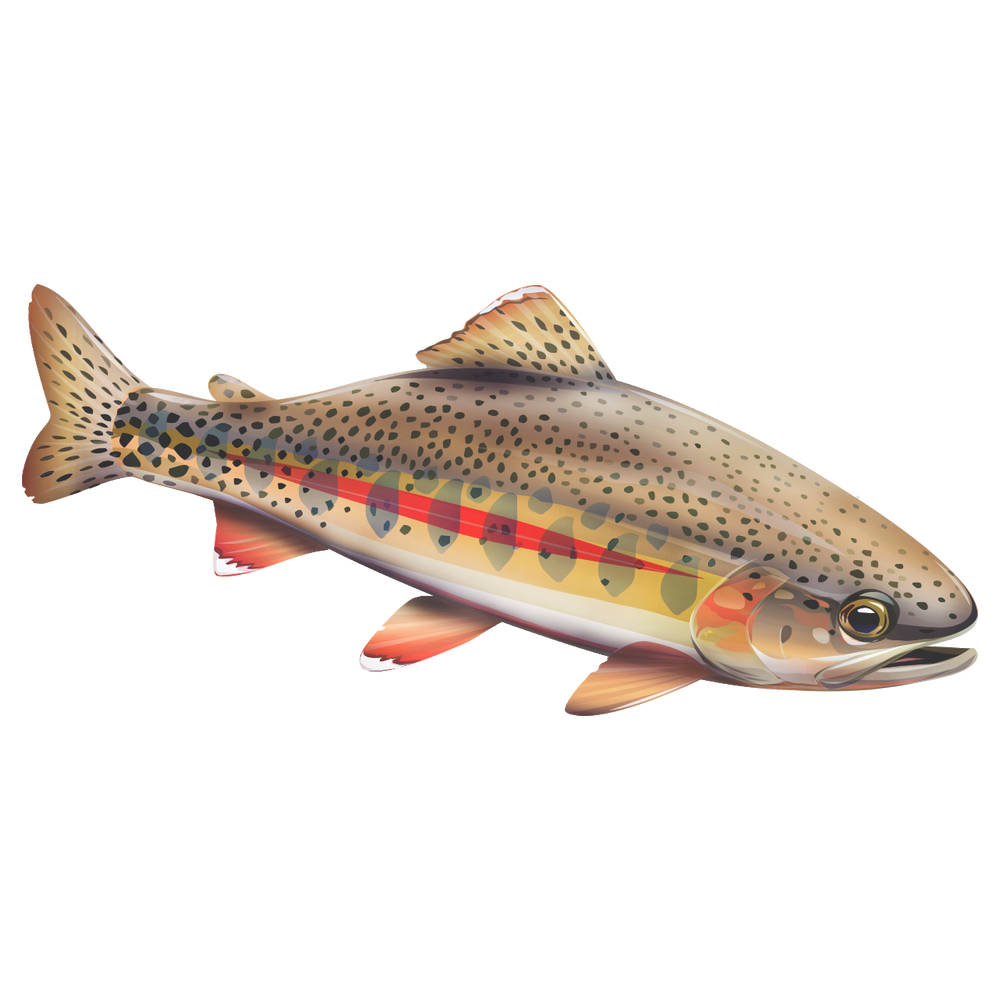
Little Kern Golden Trout
-
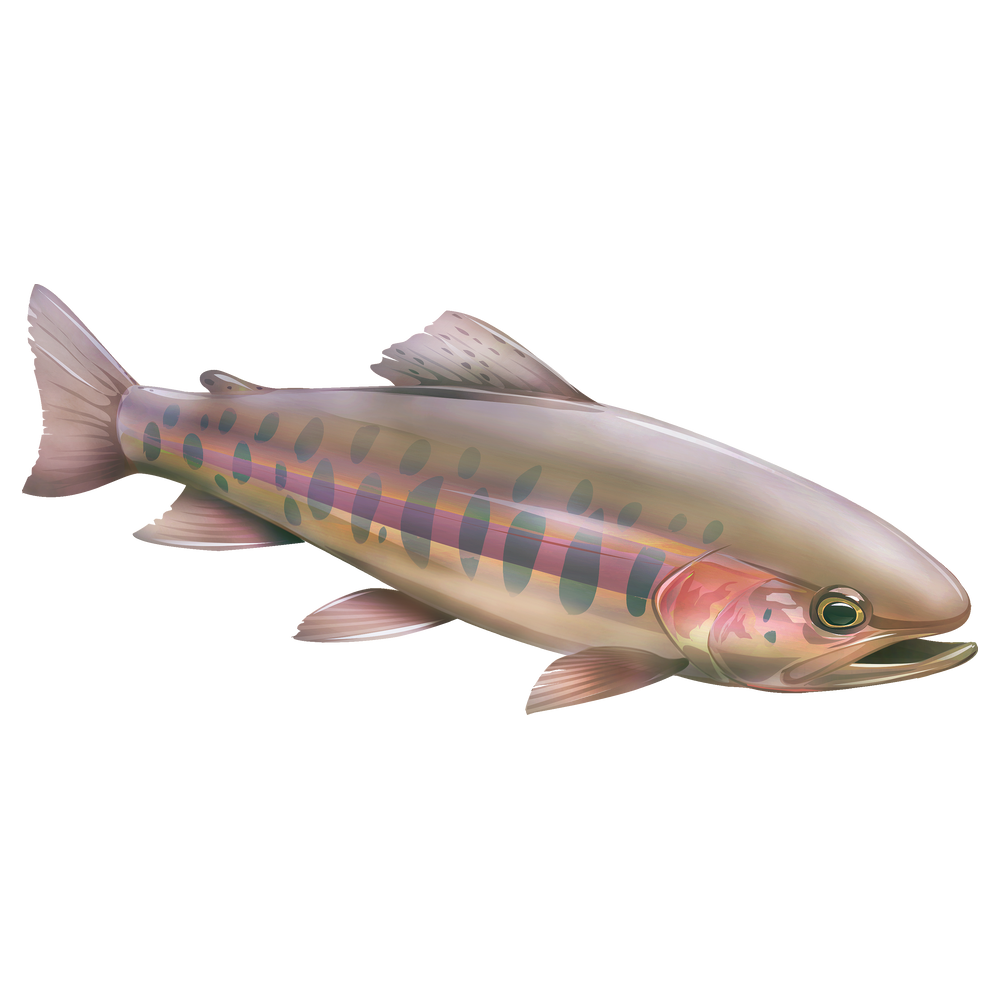
Paiute Cutthroat Trout
-
Sacramento River Winter-Run Chinook Salmon
-
South-Central California Coast Steelhead
Why this region
Where California’s water story begins.
CalTrout was founded in San Francisco over 50 years ago, and we have been restoring streams in San Francisco’s backyard ever since. The rivers of Central California are deeply interconnected. Snowmelt from the Sierra Nevada feeds streams that flow through farms, cities, and floodplains before reaching the Sacramento–San Joaquin Delta and San Francisco Bay. Along the way, these waterways provide drinking water, sustain local economies, support recreation, and create habitat for California’s iconic salmon and trout.
But these systems are under increasing strain. Climate change is reducing snowpack and warming streams. Dams and road crossings have fragmented migration corridors. Decades of habitat loss and altered flow regimes have pushed many wild fish populations into decline.
Yet Central California also represents one of the state’s greatest opportunities for recovery. Strategic restoration can reconnect habitat, improve drought resilience, and benefit both fish and people. By bringing together rigorous science, diverse partnerships, and on-the-ground implementation, CalTrout is helping build a future where California’s rivers continue to thrive.
Success in Central California can become a model for watersheds across the state. From inland trout to Chinook salmon to steelhead these iconic species still migrate through waterways that flow past farms, neighborhoods, and even downtown metropolises like San Jose. Their return demonstrates that healthy rivers and thriving communities aren’t competing priorities; with the right investments, California can create a future where both fish and people flourish.
FEATURED project
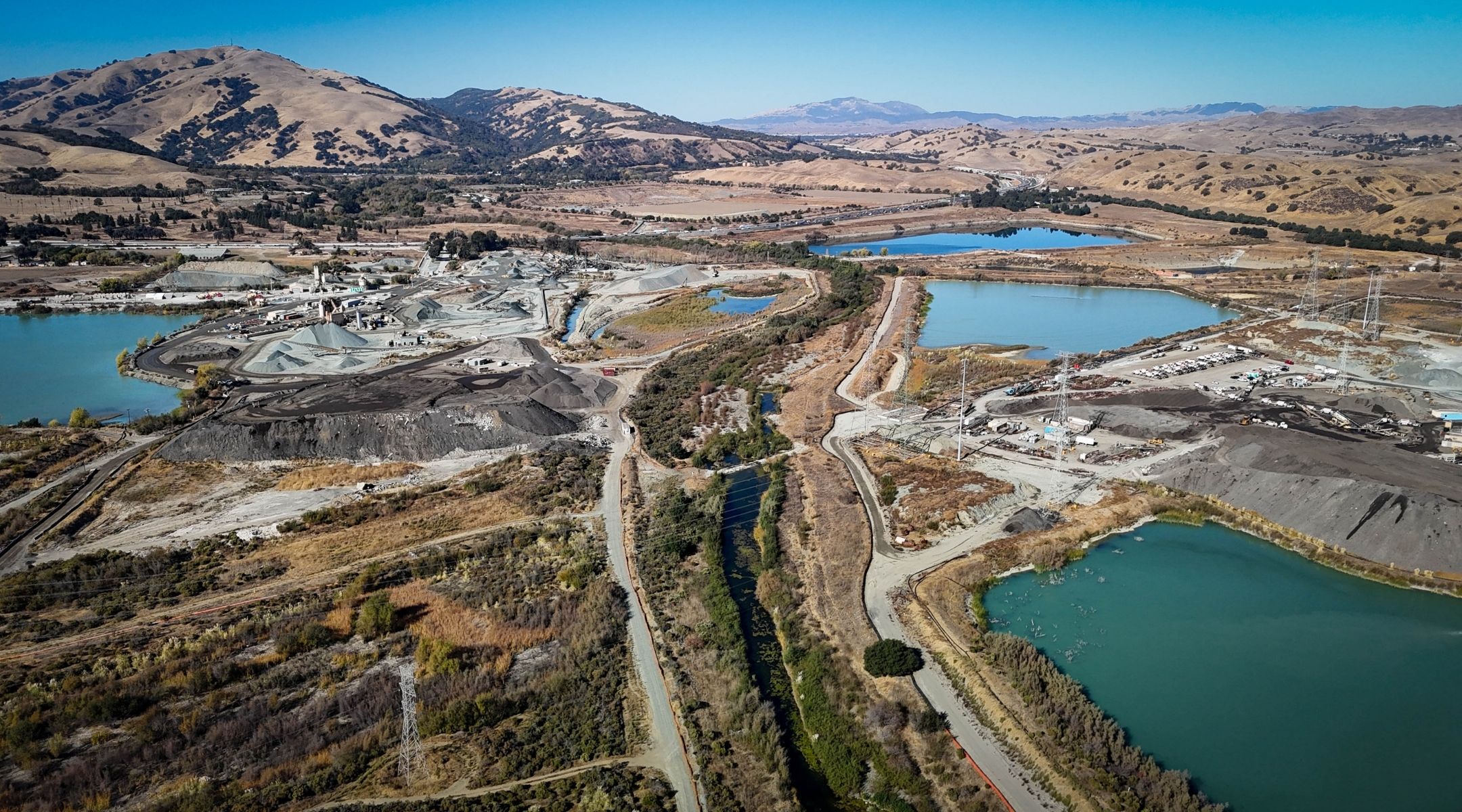
The Final Barrier on Alameda Creek
Reopening more than 20 miles of stream to Bay Area native fish for the first time in 70+ years.
Alameda Creek, the largest local tributary to San Francisco Bay, is once again open to wild fish. In late 2025, CalTrout and Pacific Gas & Electric completed construction on a project that removed the final unnatural barrier to fish passage on the creek’s mainstem. Within weeks, Chinook salmon were documented swimming upstream into habitat that had been inaccessible for more than 70 years.
Historically, Alameda Creek supported abundant runs of California Coast Chinook Salmon and Central California Coast Steelhead. Today, many of the Bay Area’s wild fish are in decline. By reconnecting more than 20 miles of stream — including high-quality spawning habitat in the upper watershed — the project is restoring access to critical habitat for both species.
Flowing more than 40 miles from the Diablo Range to San Francisco Bay, Alameda Creek has been heavily altered by dams, flood control infrastructure, and urban development over the past century. This milestone builds on decades of restoration led by the Alameda Creek Fisheries Restoration Workgroup to reconnect one of the Bay Area’s most important salmon and steelhead rivers.
CALTROUT IN ACTION
Stories from the field.
Support Caltrout
Invest in the future of California’s rivers.
From Sierra headwaters to urban creeks, Central California’s waterways connect us all. Your support helps advance the science, partnerships, and restoration needed to ensure wild fish and healthy rivers endure for generations to come