UPCOMING EVENTS
Join The Work
Help keep California’s rivers cold, clean, and connected.
Your support helps restore habitat, remove barriers, and protect the waters native fish and communities depend on.
Planned Giving / Legacy Circle
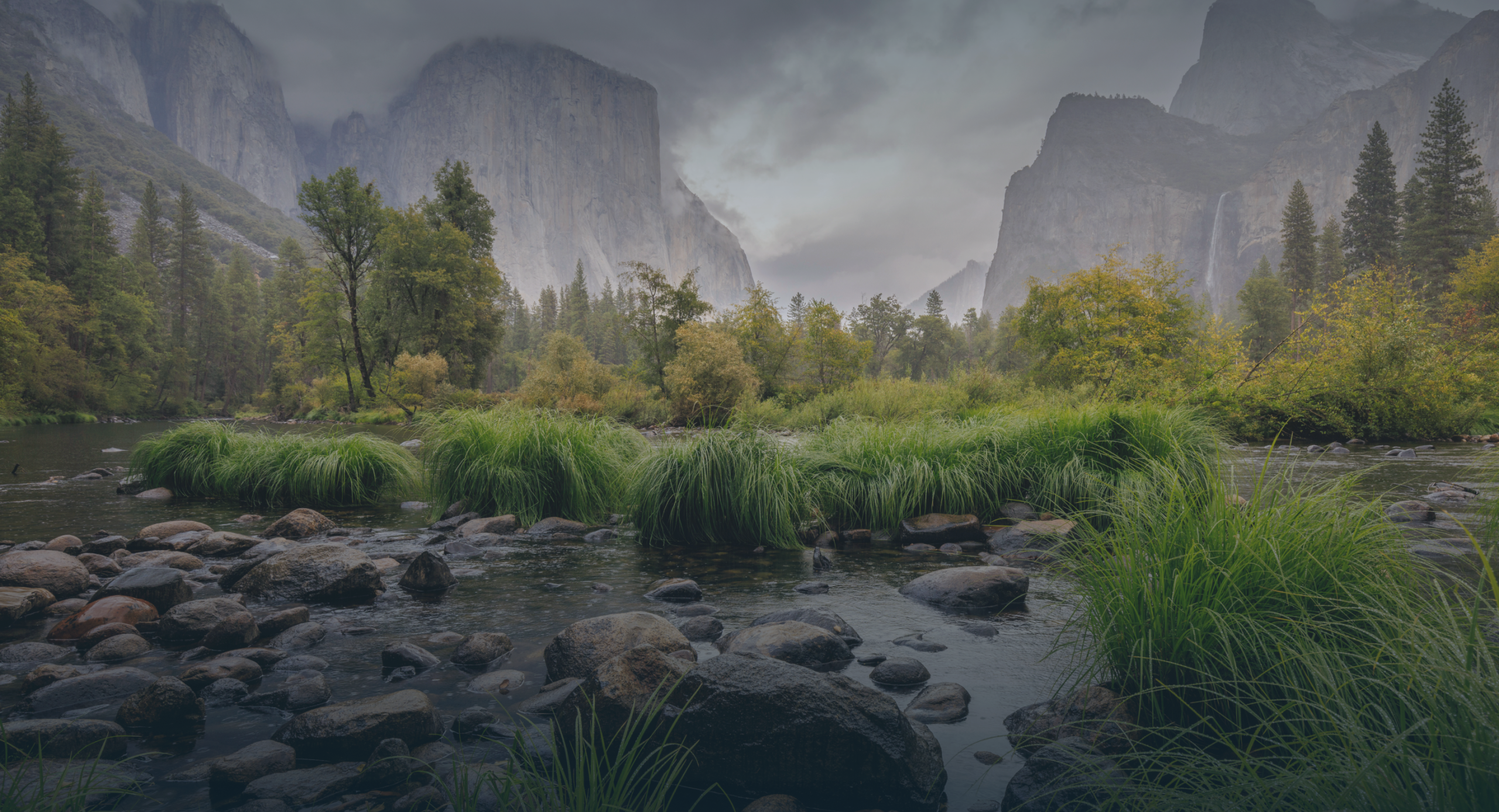
Leave a river to the next generation.
A legacy gift is the single most powerful way to ensure California’s rivers stay free-flowing long after we’re all gone. Bequests, retirement assets, charitable trusts – every kind of plan is welcome, and most are simple to set up.
Members of CalTrout’s Legacy Circle receive a personal relationship with our director, site visits in any watershed, and the satisfaction of knowing your name is in the river decades from now.
We left CalTrout in our trust because the rivers we taught our kids to fish in should still be there for theirs.
Joan & Eric, Legacy Circle members since 2019
1
Science-led restoration
Projects are grounded in research, monitoring, and adaptive management.
2
Statewide reach
Regional teams work across California’s most important cold-water systems.
3
Durable partnerships
Coalitions turn individual projects into long-term watershed resilience.
Our Beliefs
Our beliefs are the deeply held convictions that underpin the approach to our work.
They represent our collective wisdom, experience, and understanding of the world around us. Grounded in optimism and a commitment to continuous learning, our beliefs drive us forward, even in the face of adversity.
SUPPORT SCIENCE
Conservation policy is shaped year-round, not just in headlines.
Subscribe to updates from our policy team, follow active legislation, and join coalitions working to protect California’s rivers and native fish.
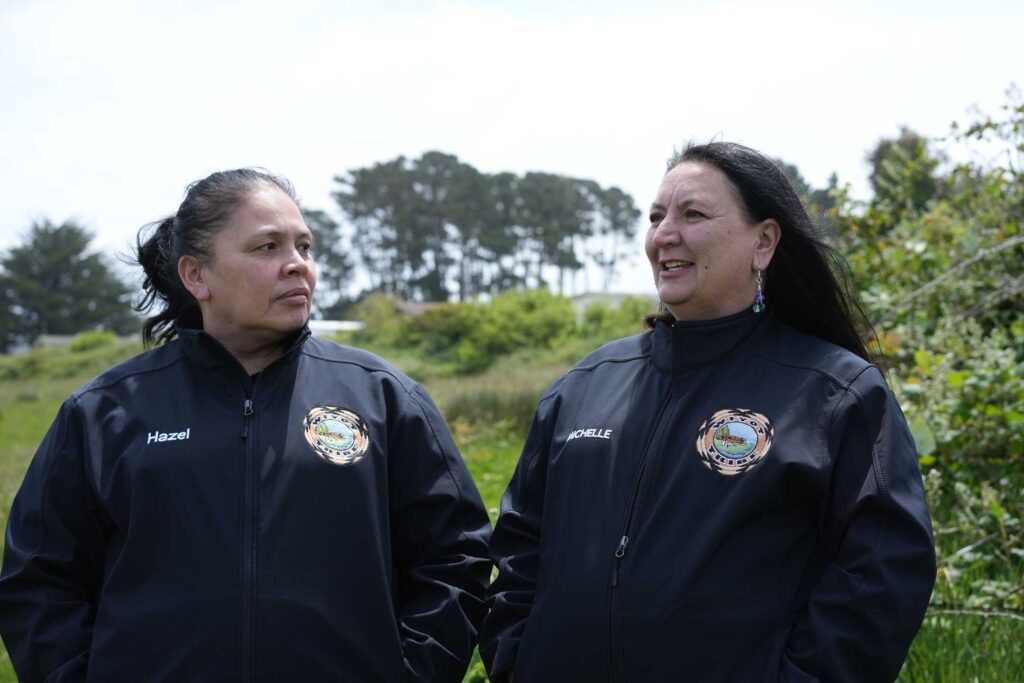
WATCH the film
Returning Chwanuchguk to the Wiyot Tribe
FIELD NOTES
Signals from the field.
Cold water refuge
Protecting deep pools, springs, and shaded tributaries.
Cold water refuge
Protecting deep pools, springs, and shaded tributaries.
Cold water refuge
Protecting deep pools, springs, and shaded tributaries.
Where We Work
Four regions. One watershed state.
California holds more native salmon, steelhead, and trout diversity than any state south of Alaska – and more pressure on the rivers that hold them.
From the rainforest streams of the North Coast to the hot dry rivers of Southern California, CalTrout organizes its work by watershed, not by political boundary. Four regional teams. One mission: keep California’s rivers, fish, and the communities that depend on them whole.
72
Average age of a California dam, in years
25%
Of California’s dams are more than 93 years old
5
Watersheds remain on CalTrout’s Top 6 Dams Out list
400+
Miles of habitat reopened on the Klamath alone
Native Salmonids
Explore California’s native fish.
From steelhead to coastal cutthroat, California’s native fish are essential to healthy rivers and thriving ecosystems.
-
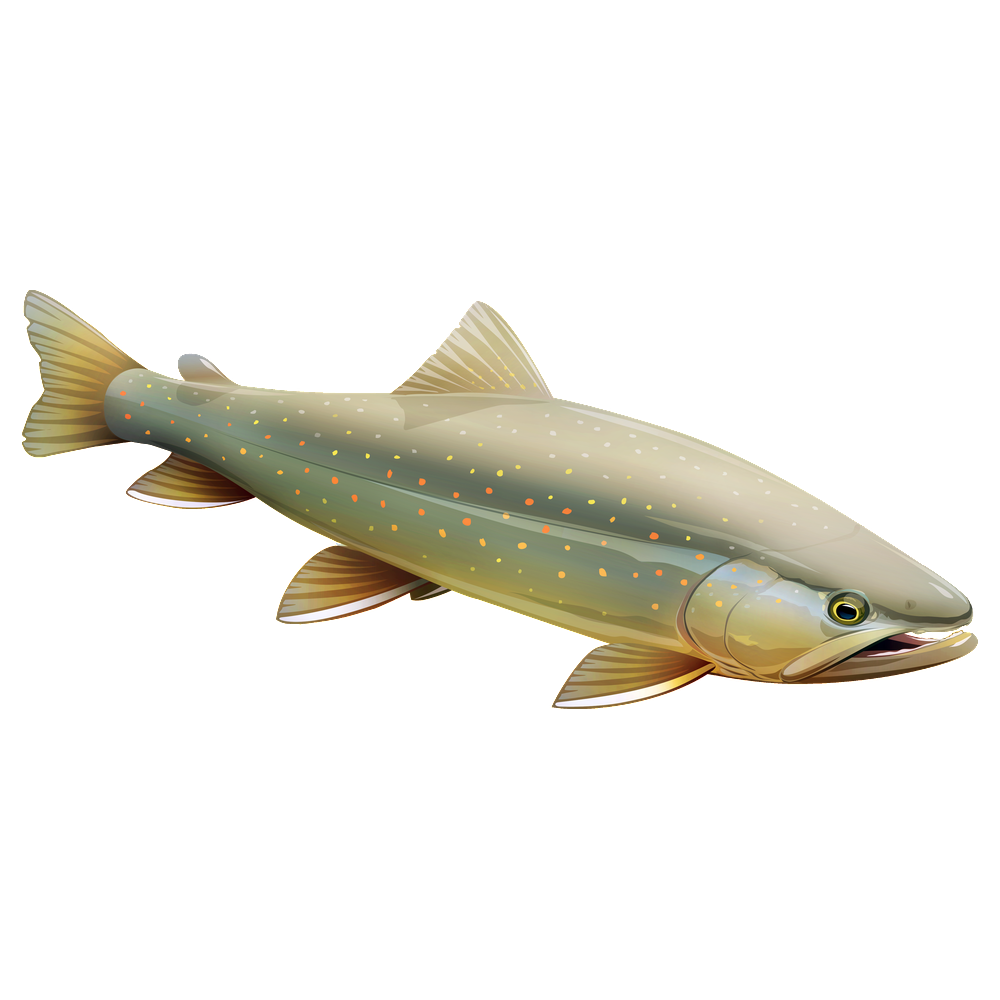
Bull Trout
-
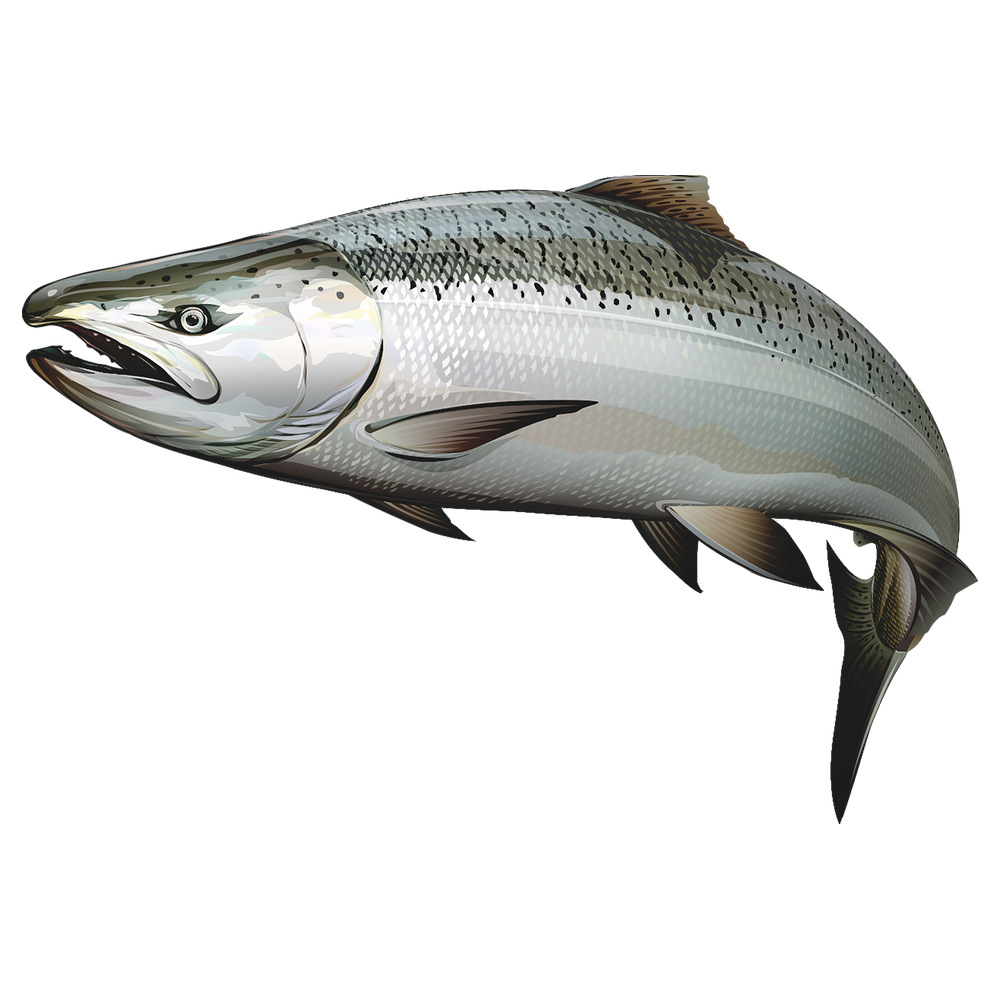
California Coastal Chinook Salmon
-
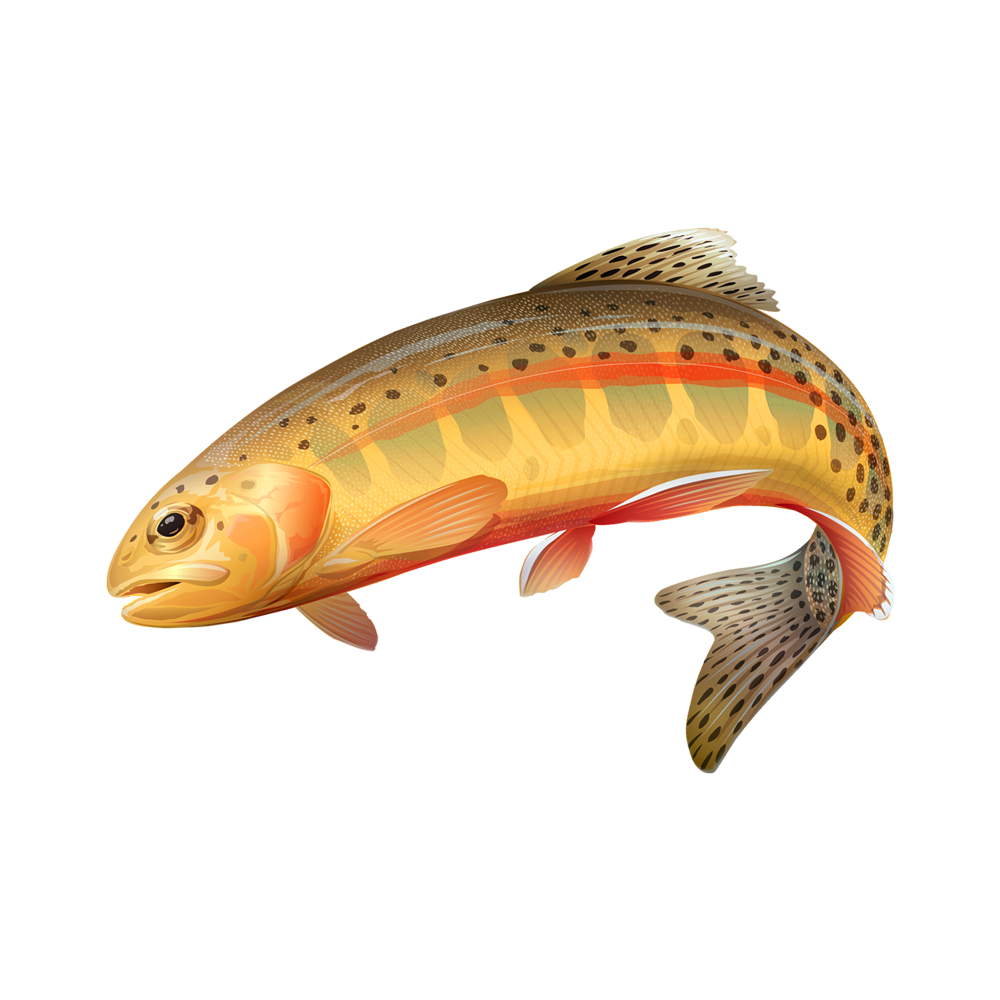
California Golden Trout
-
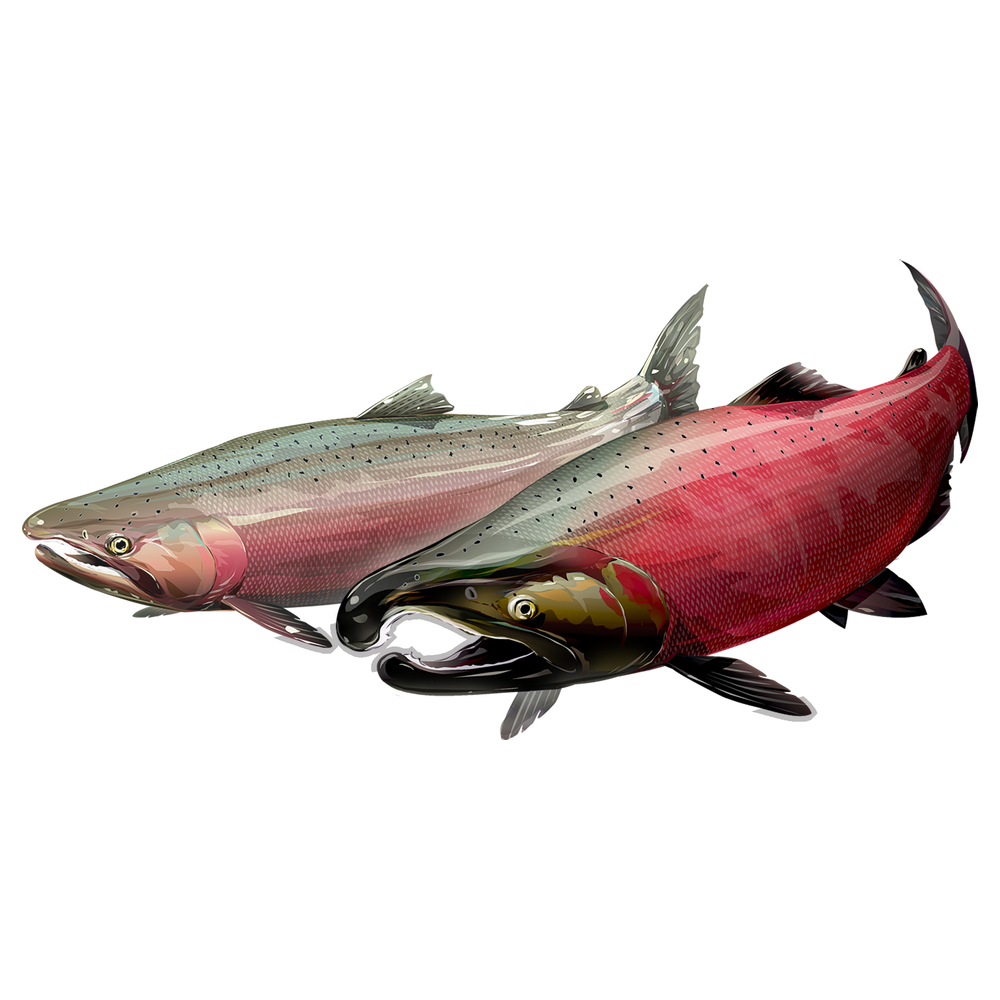
Central California Coast Coho Salmon
-
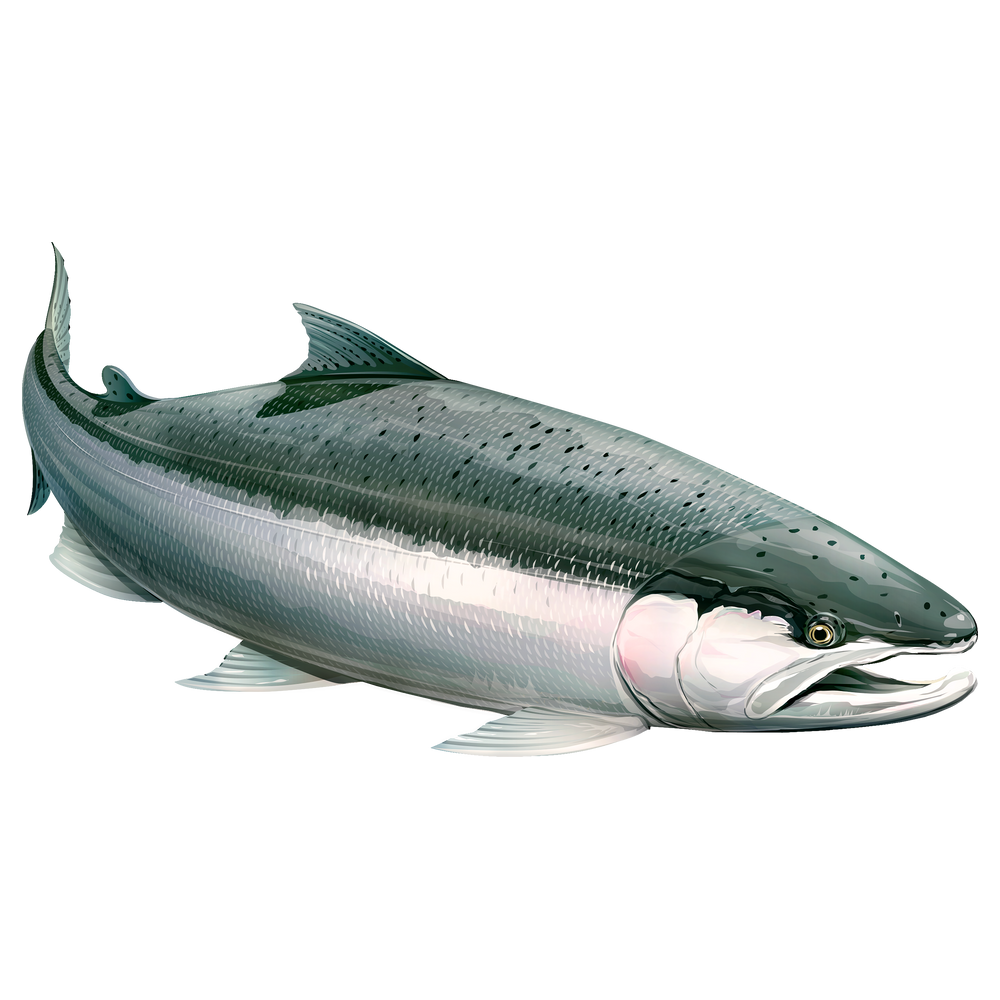
Central California Coast Steelhead
-
Central Valley Fall-Run Chinook Salmon
-
Central Valley Late Fall-Run Chinook Salmon
-
Central Valley Spring-Run Chinook Salmon
-
Central Valley Steelhead
-
Chinook Salmon
-
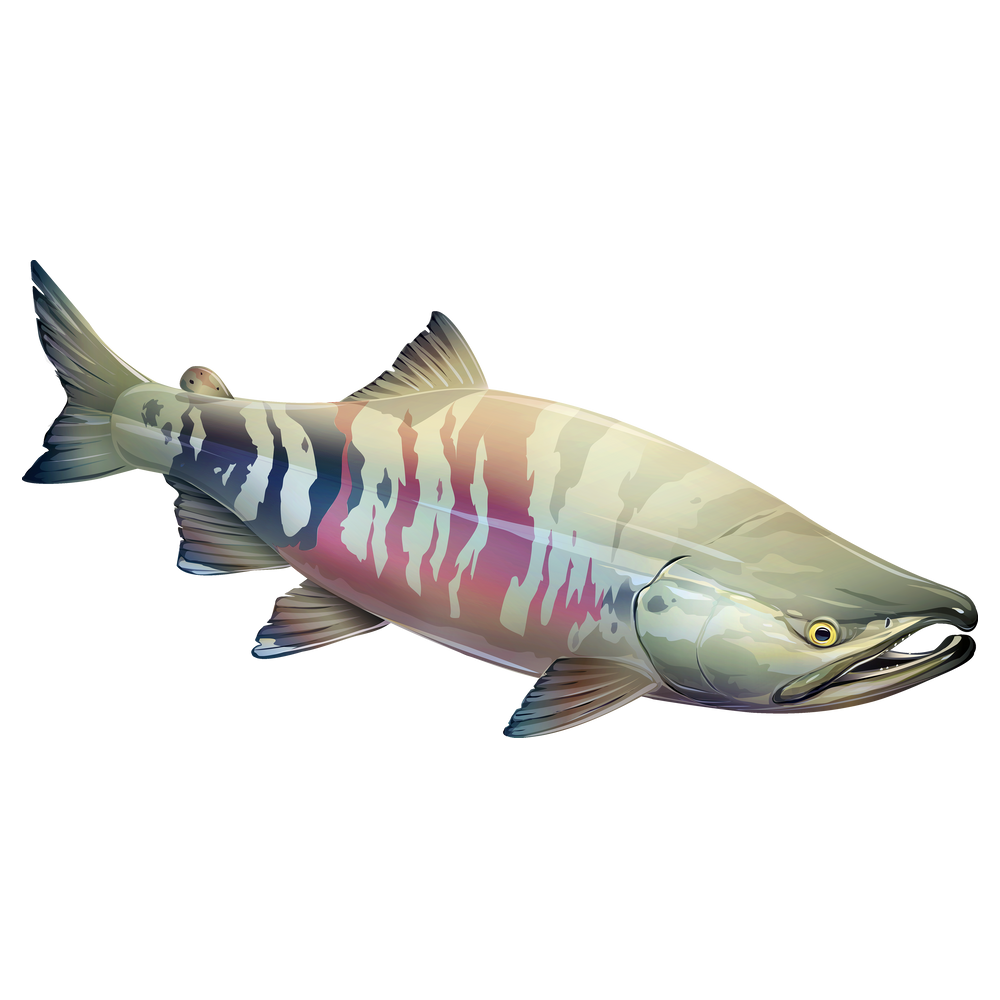
Chum Salmon
-
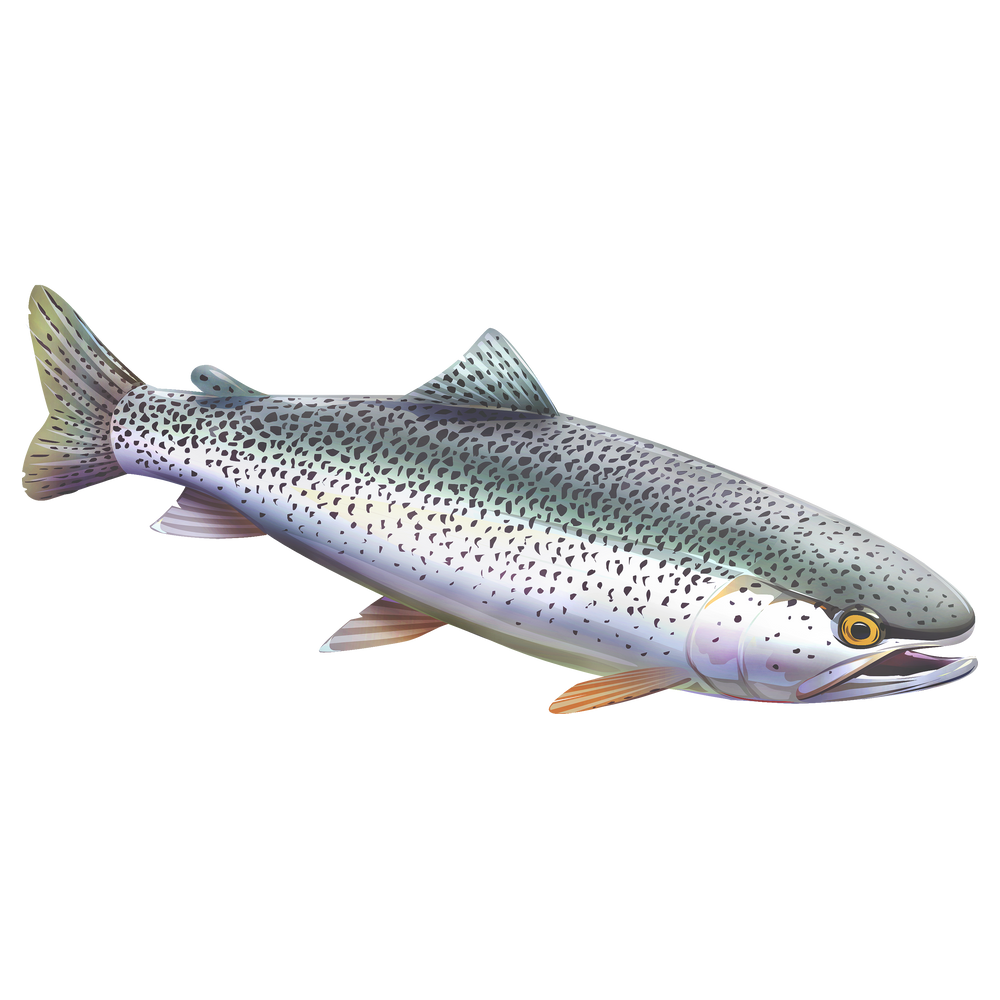
Coastal Cutthroat Trout
-
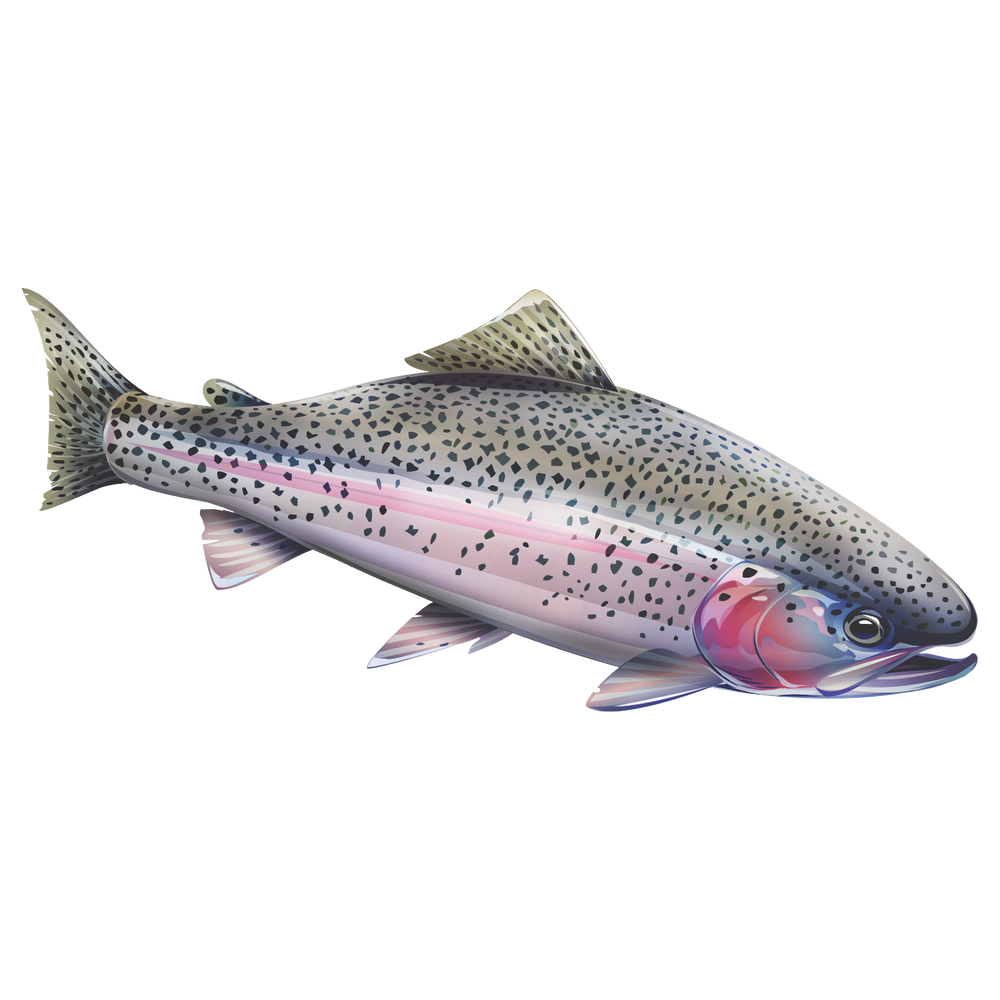
Coastal Rainbow Trout
-
Coho Salmon
-
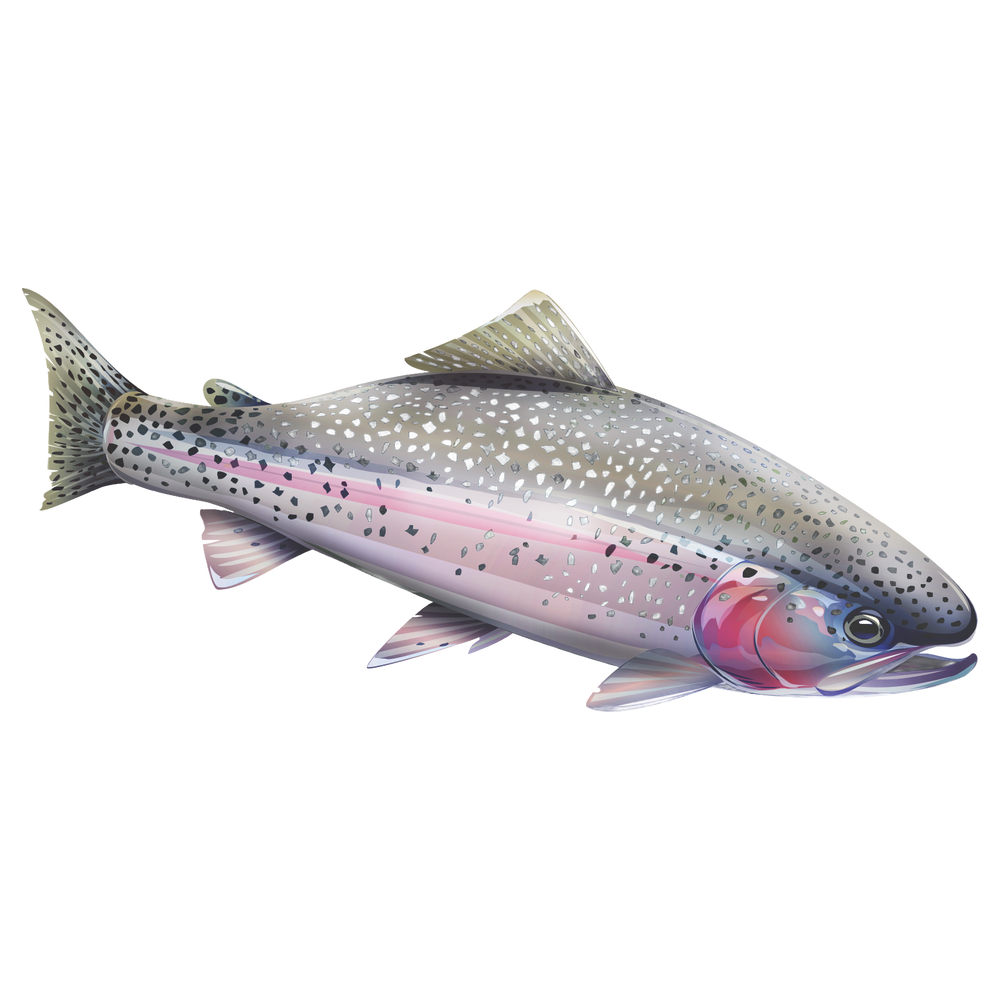
Eagle Lake Rainbow Trout
-
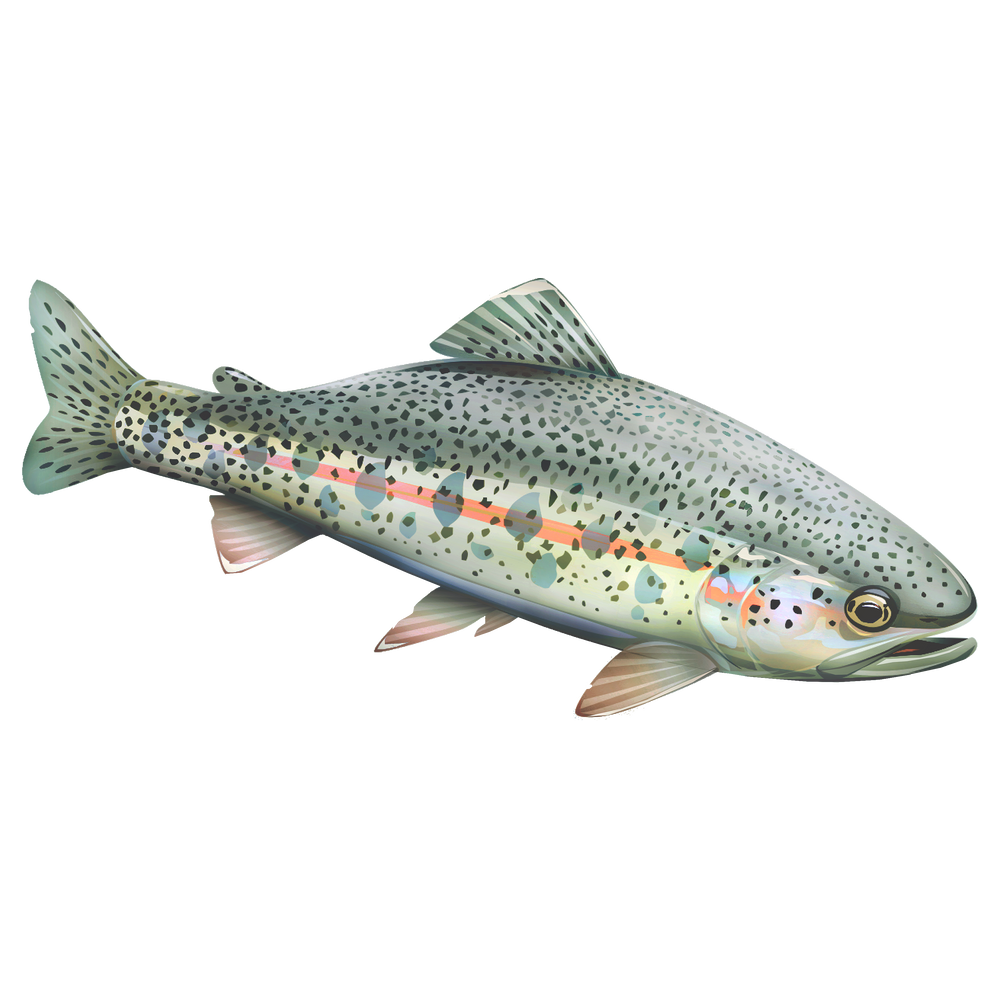
Goose Lake Redband Trout
-
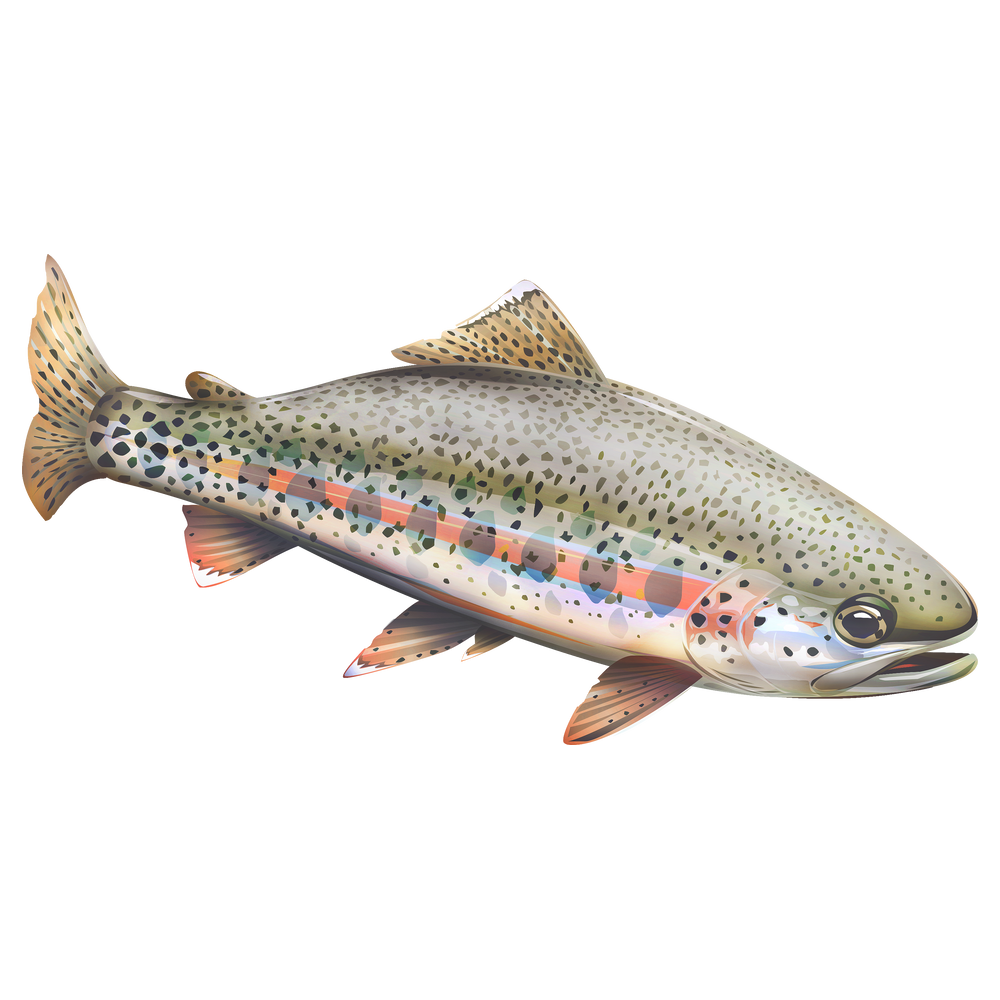
Kern River Rainbow Trout
-
Klamath Mountains Province Summer Steelhead
-
Klamath Mountains Province Winter Steelhead
-
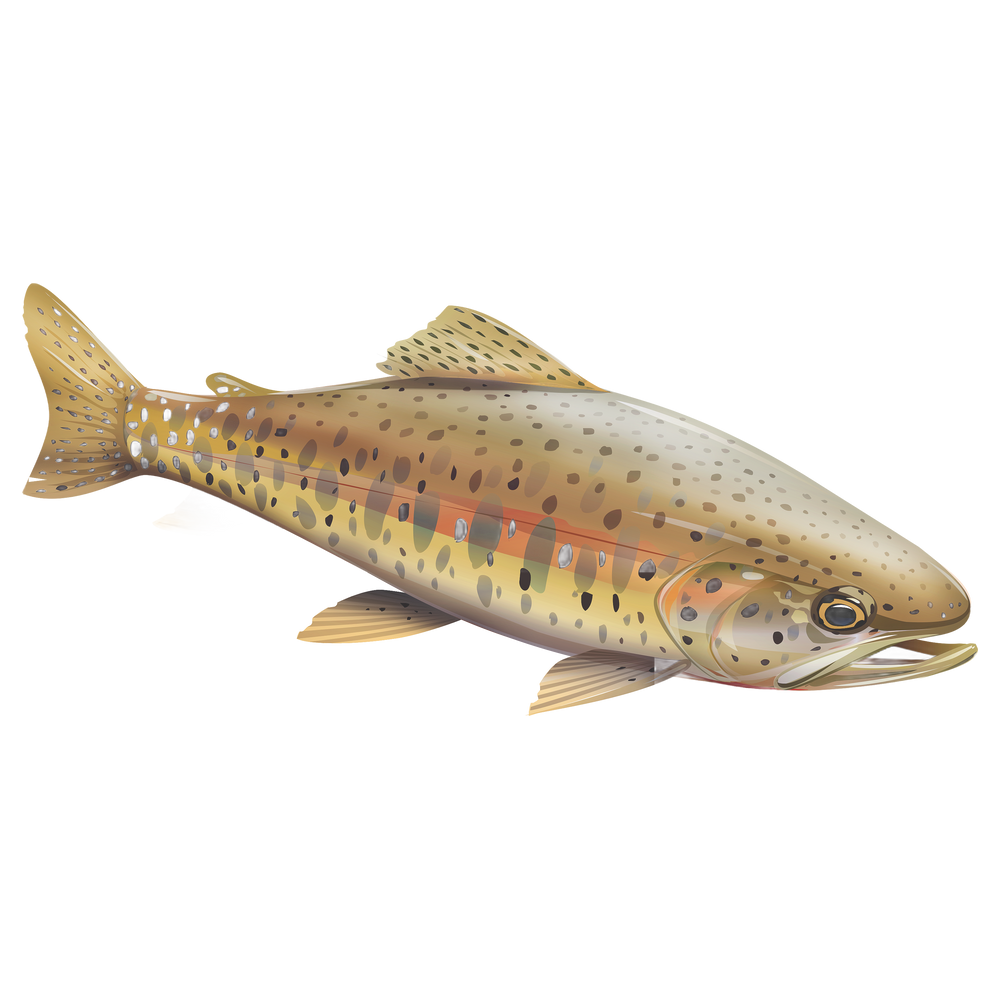
Lahontan Cutthroat Trout
-
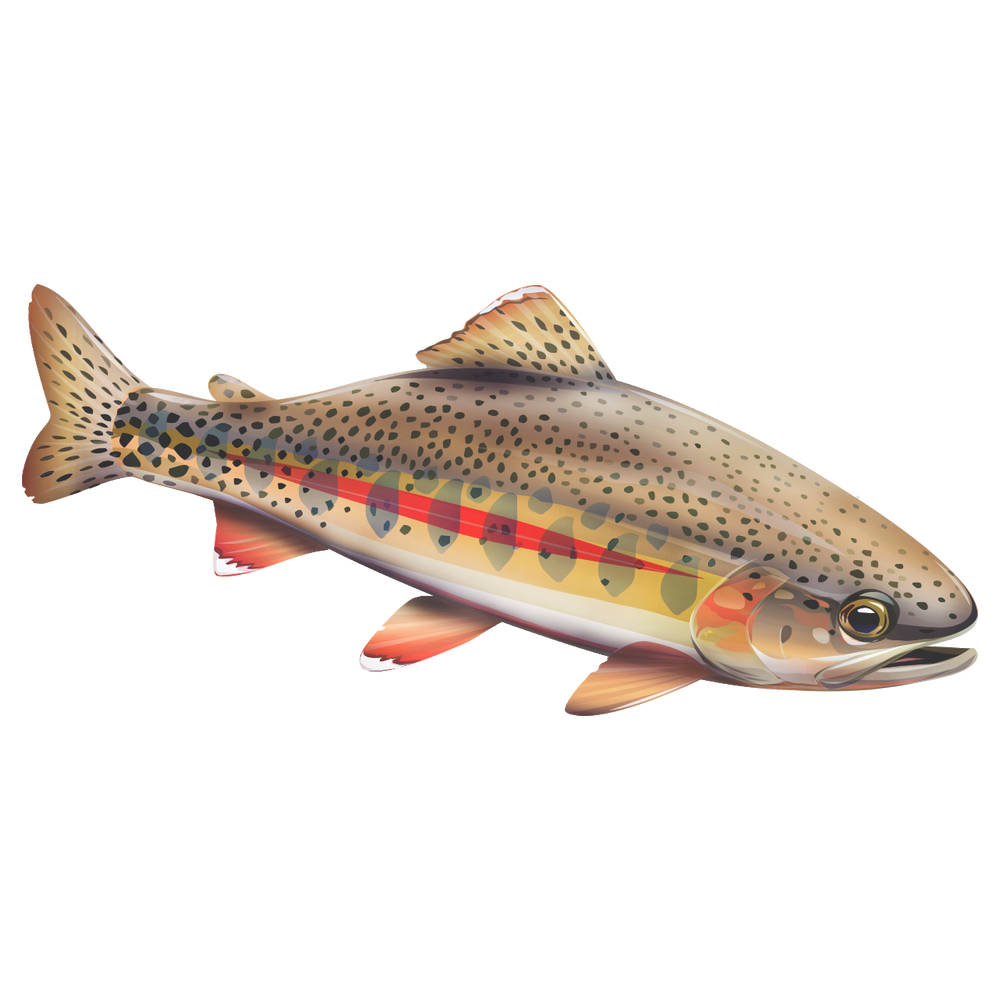
Little Kern Golden Trout
-
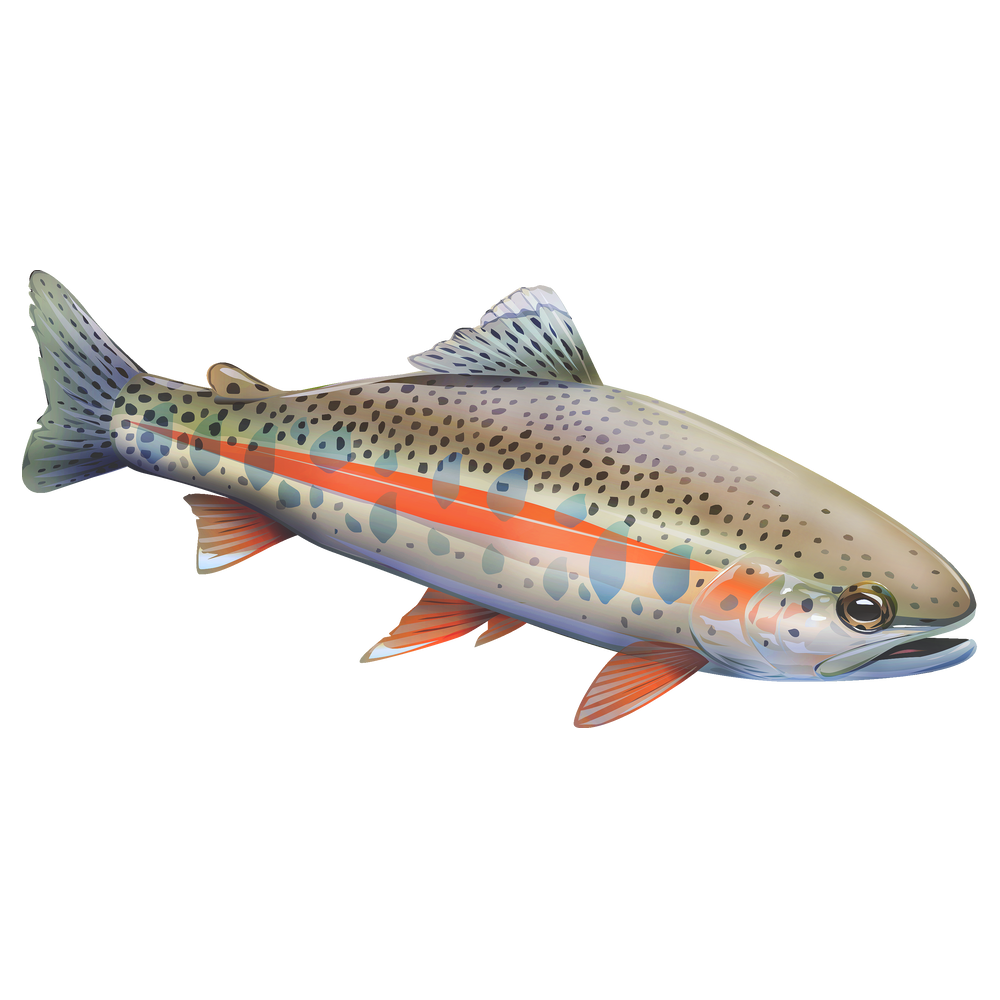
McCloud River Redband Trout
-
Northern California Summer Steelhead
-
Northern California Winter Steelhead
-
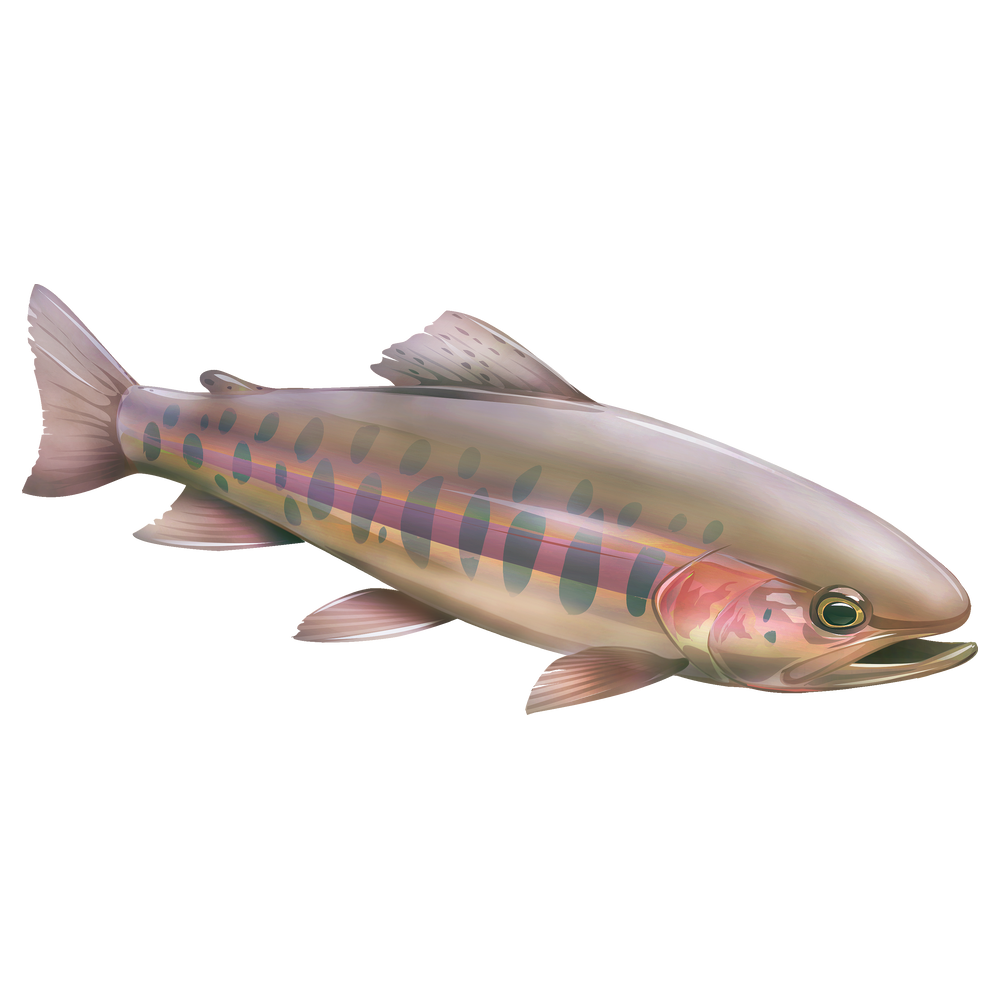
Paiute Cutthroat Trout
-
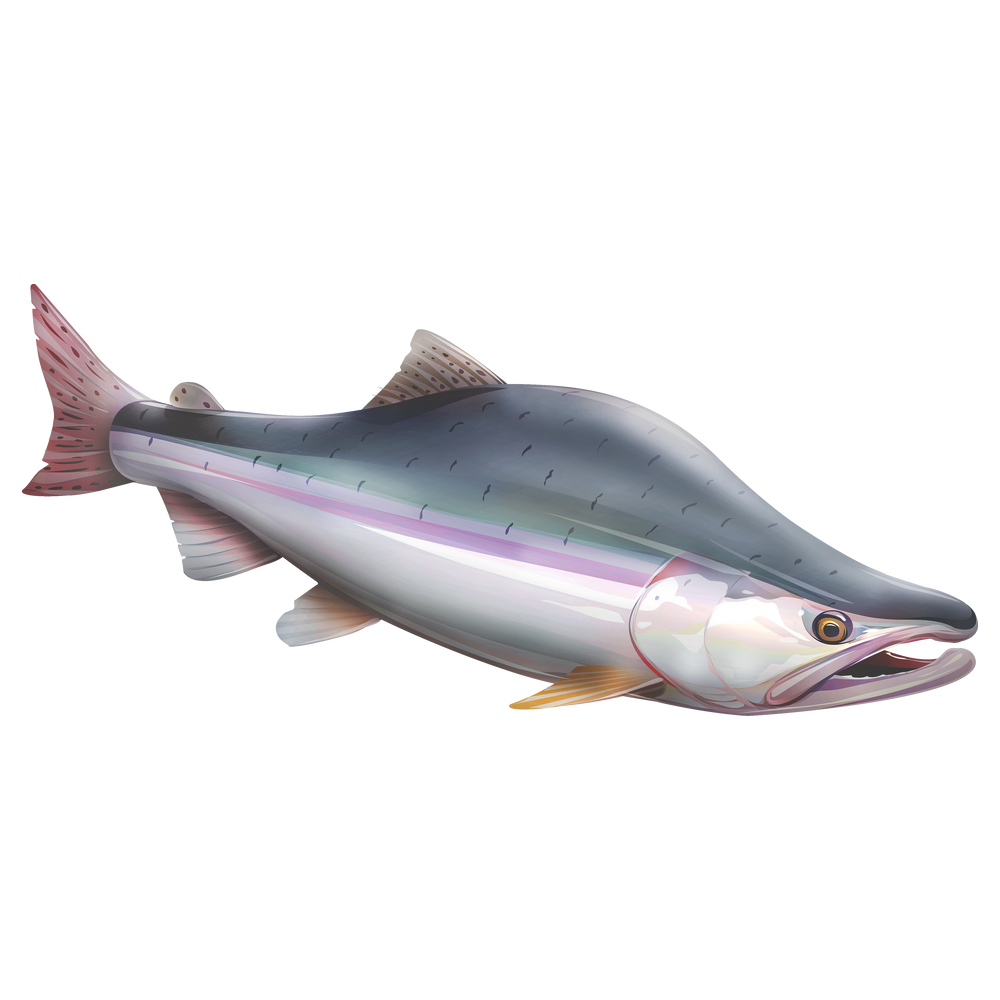
Pink Salmon
-
Sacramento River Winter-Run Chinook Salmon
-
South-Central California Coast Steelhead
-
Southern Oregon/Northern California Coast Chinook Salmon

Our vision
Together, we envision a future where freshwater ecosystems flourish and wild fish thrive, leaving a legacy of clean water and healthy rivers for current and future generations. Our vision inspires us to dream big, push boundaries, and pursue excellence in everything we do.
Project Facts
LOCATION
PROJECT STAGES
START DATE
Project Goal
Alameda Creek historically supported Chinook salmon and steelhead runs. Recent habitat improvements by Alameda County Water District and others will open up the mainstem Alameda Creek to these fish in spring 2022, for the first time in decades. We are working with partners to assess habitat conditions and usage by steelhead to help inform future management and restoration projects, starting in Stonybrook Creek, a key spawning tributary.
Project Staff
HOW WE GOT HERE
A century of impact. A decade of recovery.
From industrial timber harvest through the formation of CalTrout’s Elk River Recovery Program.
LATE 1800s
Industrial logging begins in the Elk River watershed.
Steep slopes are clear-cut and haul roads carved into the hillsides. Sediment begins moving downstream.
LATE 1800s
XX add years in between
XX add details
2016
CalTrout involvement begins in 2016 supporting the Regional Water Board adopted Resolution R1-2016-001 confirming water quality impairment due to high suspended sediment loads in the Elk River
2018
CalTrout releases the Elk Recovery Assessment evaluating the feasibility of system-wide restoration of the Elk River
2020
CalTrout and the Regional Water Board launch the Elk River Watershed Stewardship Program
2022
CalTrout releases the Elk River Recovery Plan , partitioning the Stewardship Project Area into four Planning Areas for a phased implementation program
2022-2027
Engineering design and land acquisitions advance in Planning Areas 1 and 2
2026-2036
Construction and implementation
2024-2036
Pre- and post-restoration monitoring
WHERE WE WORK
Find CalTrout projects near you.
CalTrout works in rivers and watersheds throughout the state – from coastal streams to Sierra headwaters – restoring habitat and strengthening ecosystems.
SOS · A ONCE-A-DECADE REPORT
The only statewide assessment
of California’s native salmon,
steelhead, and trout.
CalTrout, in collaboration with academic partners, has produced two once-a-decade State of the Salmonids reports — comprehensive scientific assessments of all 32 native salmon, steelhead, and trout species in California.
These reports are the only analyses of their kind. Their message is clear: without action, California risks losing its wild fish.
In 2027, CalTrout will release SOS III, building on assessments from 2008 and 2017 to track trends over time — using a proven, peer-informed methodology trusted by agencies and academic institutions.
32
Species Assessed
160
Citations by academics, legislators, policymakers, foundations, and nonprofits
45%
of California salmonids likely to be extinct in next 50 years if current trends persist

turning Belief into Action
These beliefs are our North Star. Every restoration project we undertake, every policy fight we take on, and every community we engage reflects our conviction that wild fish and healthy rivers are inseparable from California’s future. Our regional teams bring science to the field, our advocacy teams carry it to the halls of government, and our partners help root it in the communities that depend on the waters we’re protecting. From headwaters to floodplains to estuary, our beliefs are guiding on-the-ground change.
Outcomes
What this project has accomplished:
13,310
Chinook salmon tracked migrating upstream of the former Iron Gate Dam in 2025
88%
Of their historic range, reoccupied by Chinook salmon
360
Miles from the ocean of river accessed by salmon
22+
Partners working together on this project
CALTROUT IN ACTION
Stories from the field.
-

CalTrout Receives Wildlife Conservation Board Grant to Advance Habitat Restoration on the Shasta River
Read more →: CalTrout Receives Wildlife Conservation Board Grant to Advance Habitat Restoration on the Shasta River -
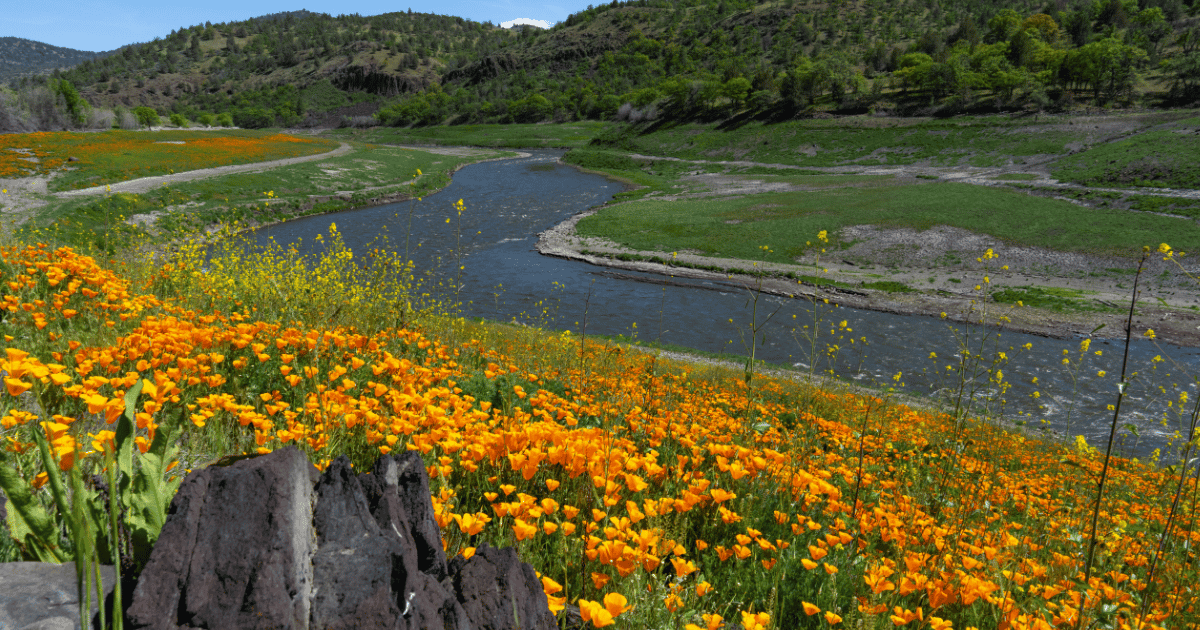
The Salmon Came Back: New Published Study Confirms Rapid Chinook Return in the Klamath River After the World’s Largest Dam Removal
Read more →: The Salmon Came Back: New Published Study Confirms Rapid Chinook Return in the Klamath River After the World’s Largest Dam Removal -
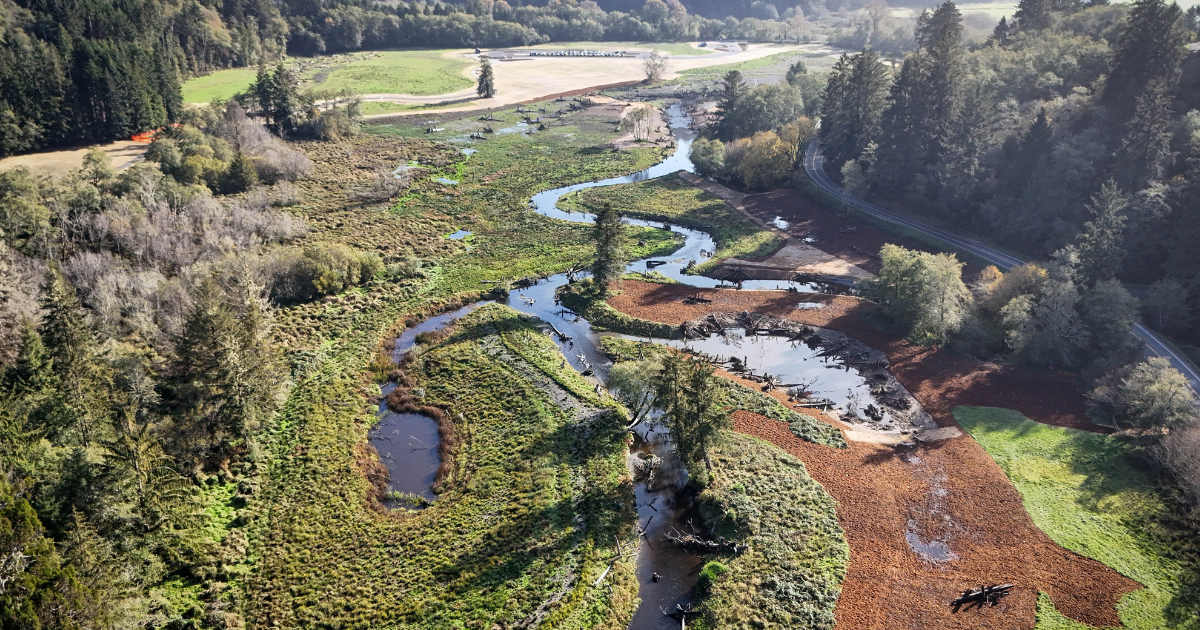
‘O Rew Comes Home: A Community Story
Read more →: ‘O Rew Comes Home: A Community Story
the progress
The Elk River, a decade into the recovery
CalTrout has spent more than a decade working to reverse that damage through the Elk River Recovery Program, a five-phase effort to address sediment impairment, reduce nuisance flooding, and rebuild habitat from the headwaters to the bay. In July 2026, that work reached a major milestone: construction began on the first phase of the Elk River Estuary Restoration Project, restoring roughly 40 acres at Swain Slough as part of a larger 857-acre effort to reconnect tidal wetlands and natural sediment and water flow throughout the estuary. Funded by NOAA, the State Coastal Conservancy, and the California Department of Fish and Wildlife, and built through voluntary agreements with willing landowners, the project will expand critical habitat for salmon and steelhead while reducing flood and sea-level-rise risk for the surrounding community.
Estuary restoration is the most visible milestone in a much longer recovery — one that stretches from tidal wetlands at the bay to the sediment-choked reaches upstream. CalTrout and its partners are now in the planning and design phase for the watershed’s upper reaches, working alongside Humboldt Redwood Company, the Wiyot Tribe, and local landowners to complete the full recovery program by 2030. Reconnecting the Elk River will take patience, engineering, and above all, the continued trust of the community whose land and livelihoods are tied to this watershed.
40
acres restored in Swain Slough — phase one of a larger 857-acre effort to reconnect tidal wetlands across the estuary
Outcomes
What this program has accomplished.
857
of total acres restored in Planning Phase 1
5.3
miles of channel to be restored in Planning Phase 1
90%
of Humboldt Bay’s tidal wetlands lost since diking and draining began in the 1850s
ACROSS CALIFORNIA
Real impacts across California.
Through science, restoration, and advocacy, CalTrout is helping build resilient rivers and
thriving fish populations across the state.
72
Average age of a California dam, in years
25%
Of California’s dams are more than 93 years old
5
Watersheds remain on CalTrout’s Top 6 Dams Out list
400+
Miles of habitat reopened on the Klamath alone